

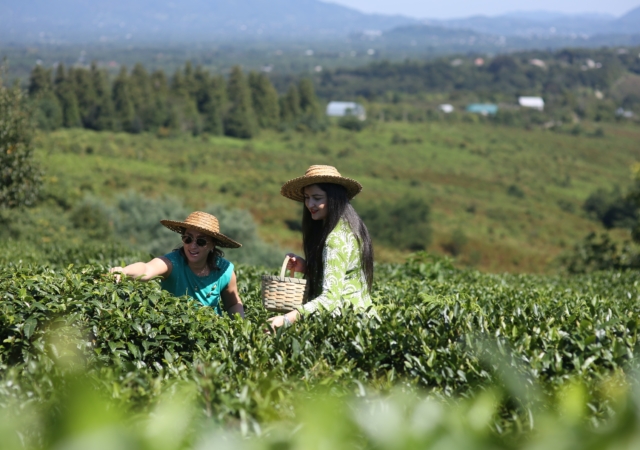
The development of Georgia’s tea sector depends on more than the production of high-quality tea. Equally important is cooperation among producers, collective action around shared interests, coordinated responses to market demand, and continued dialogue between the public and private sectors.
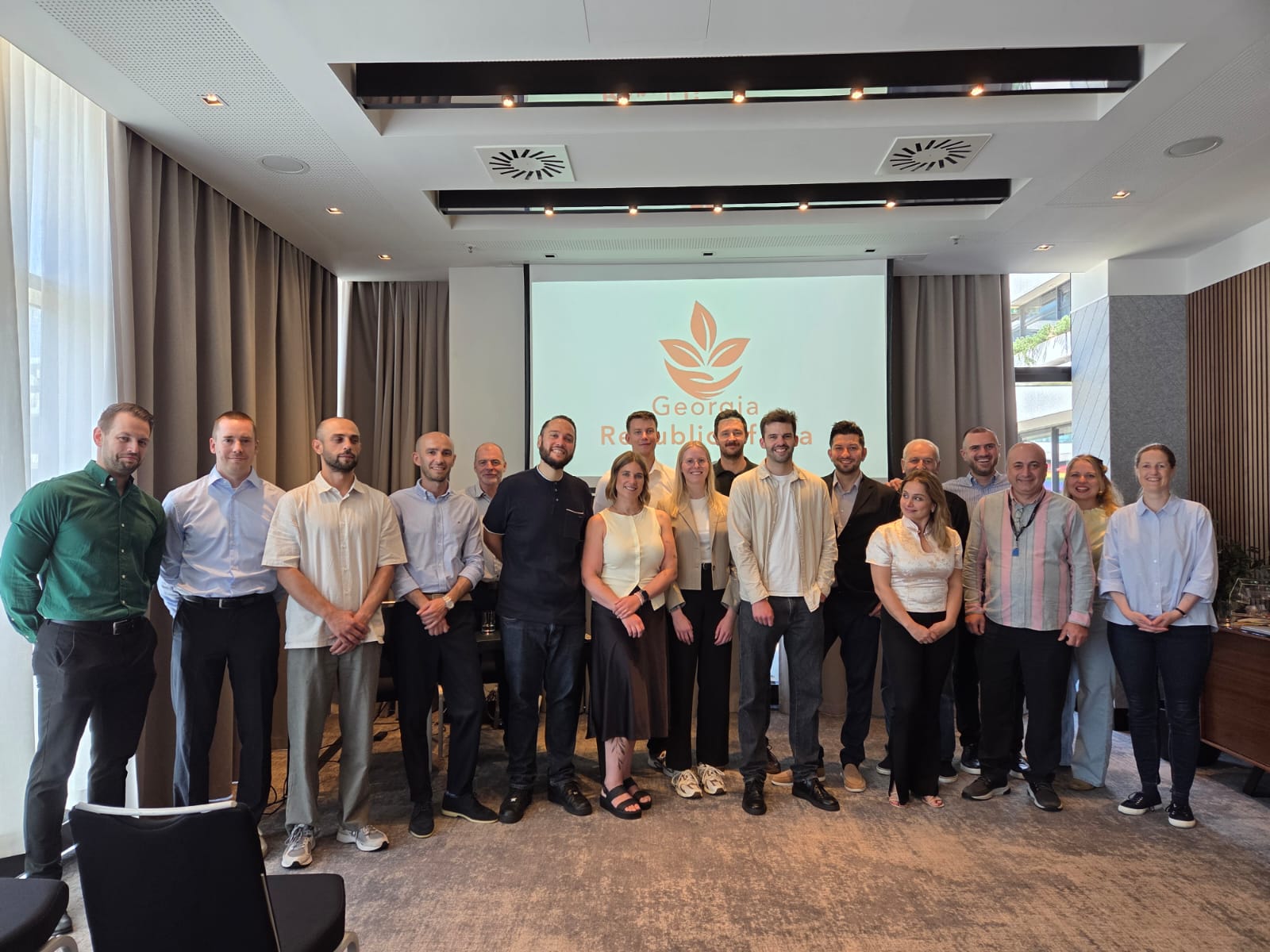
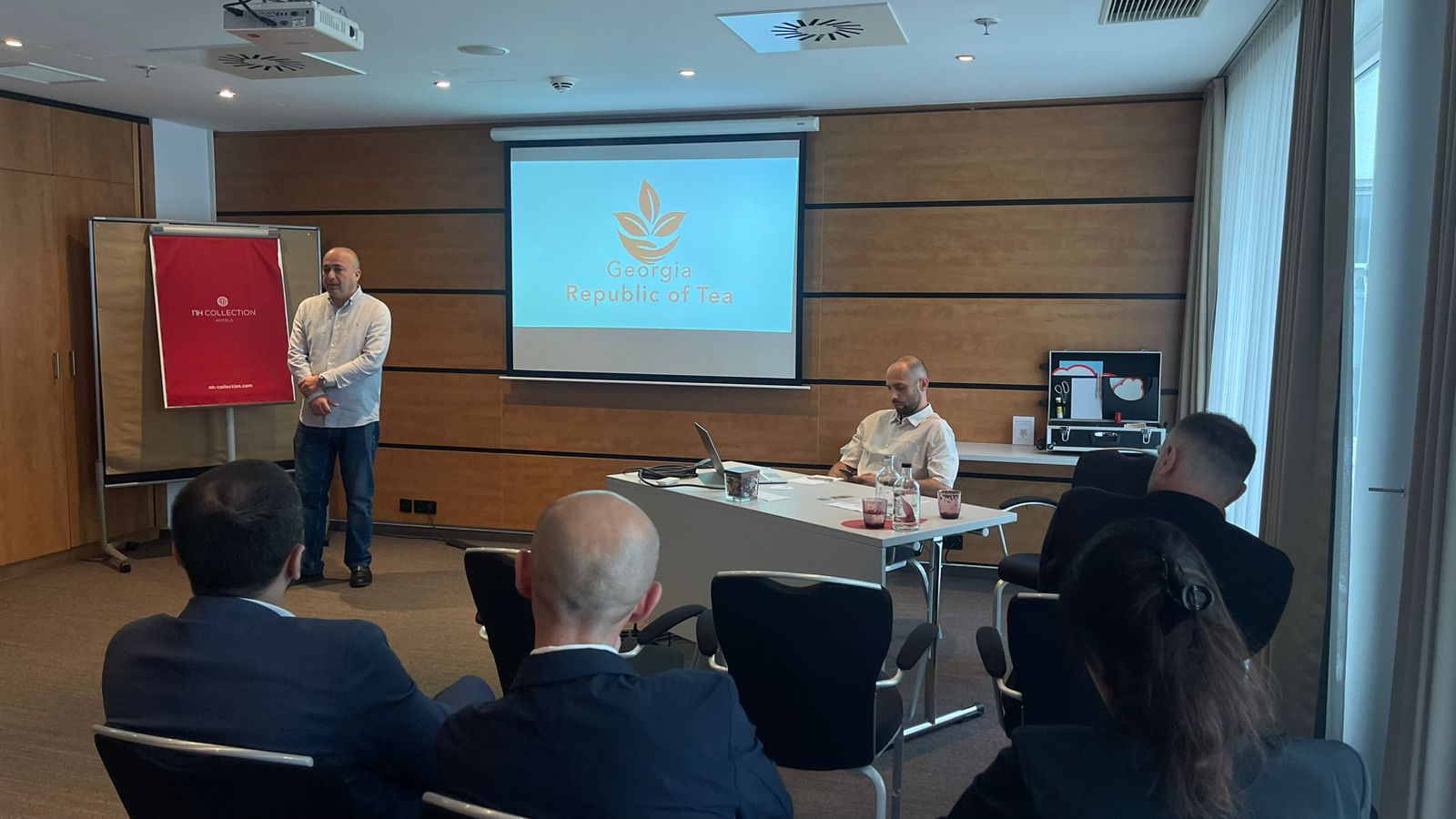
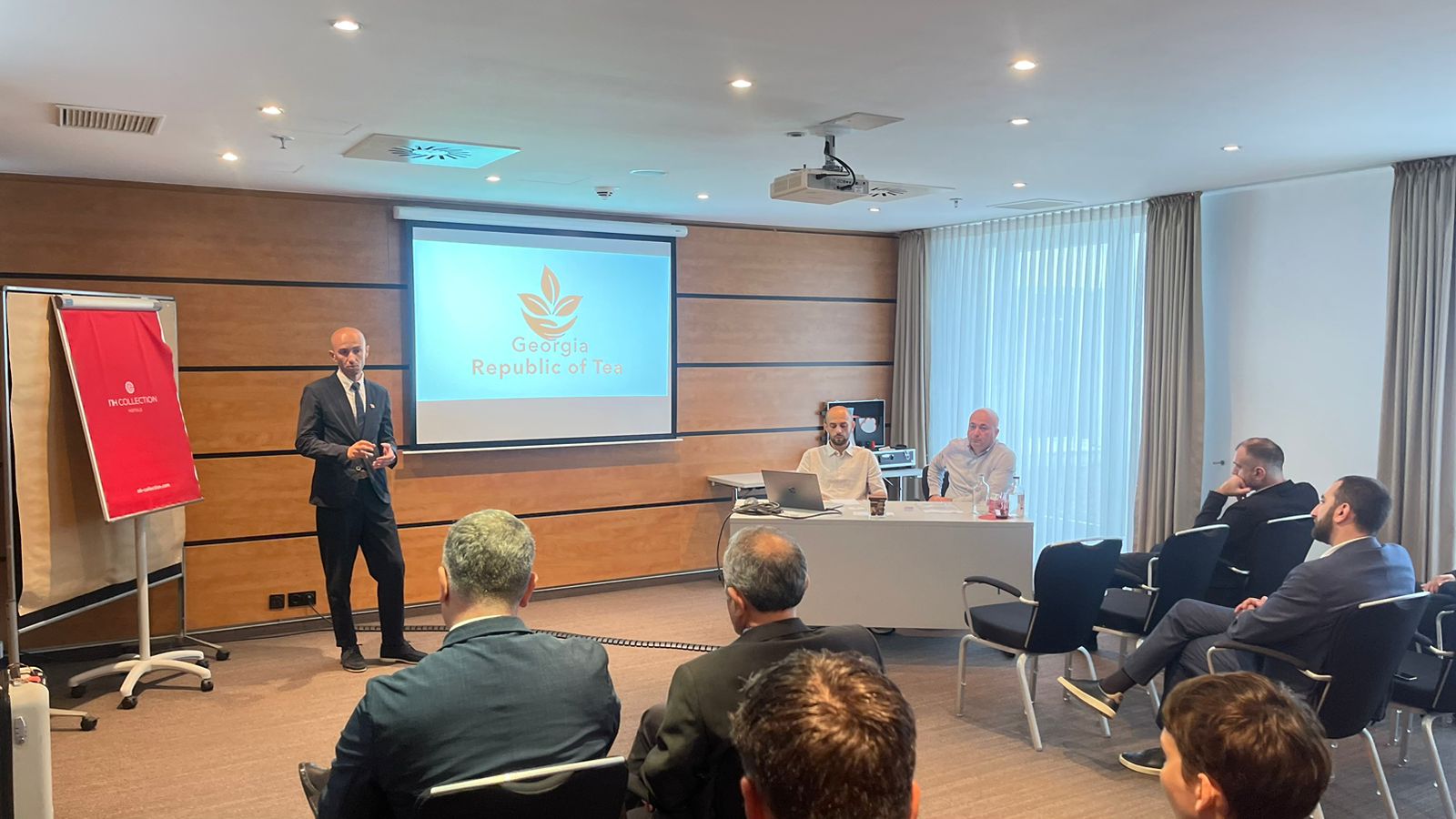
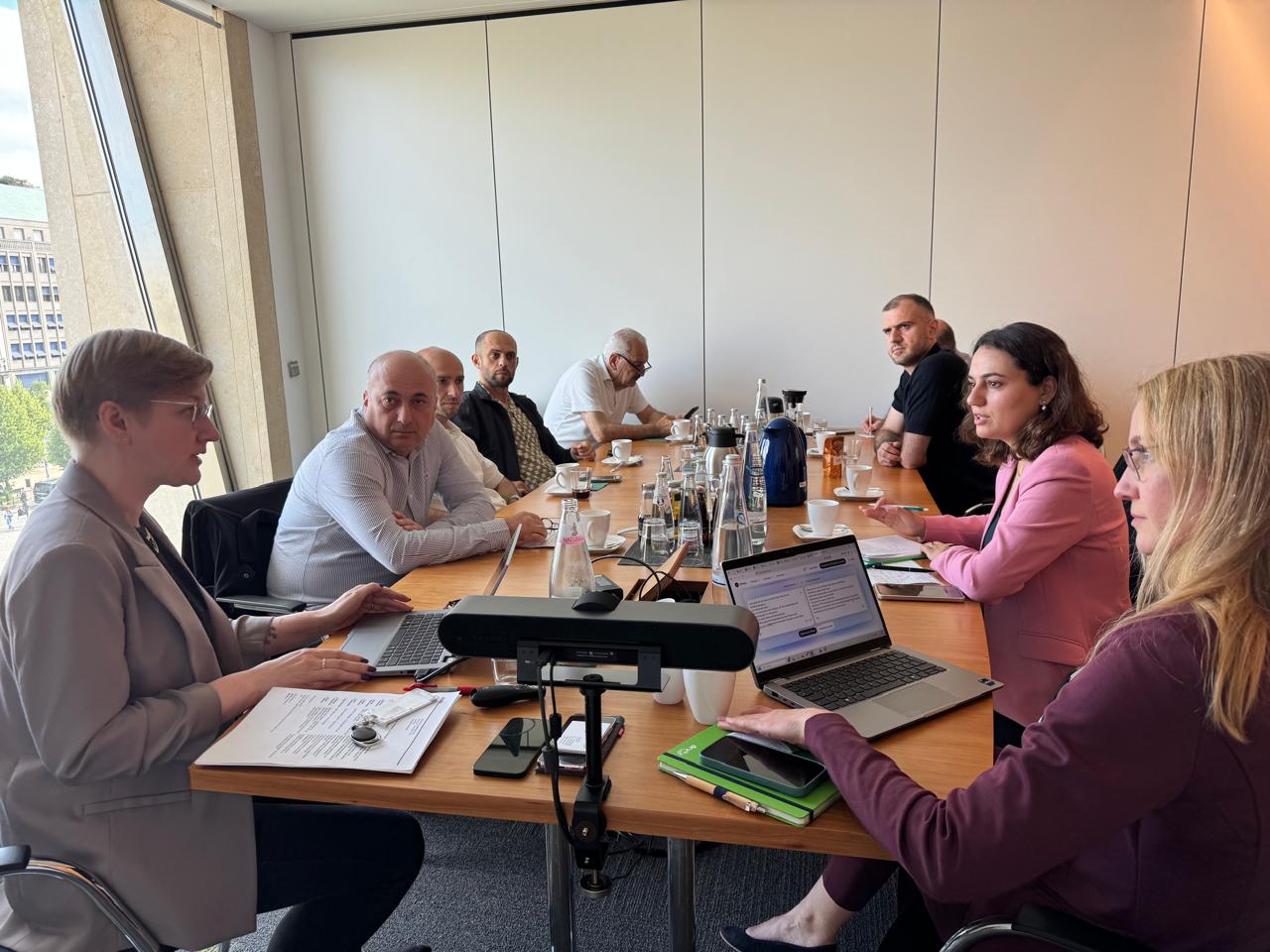
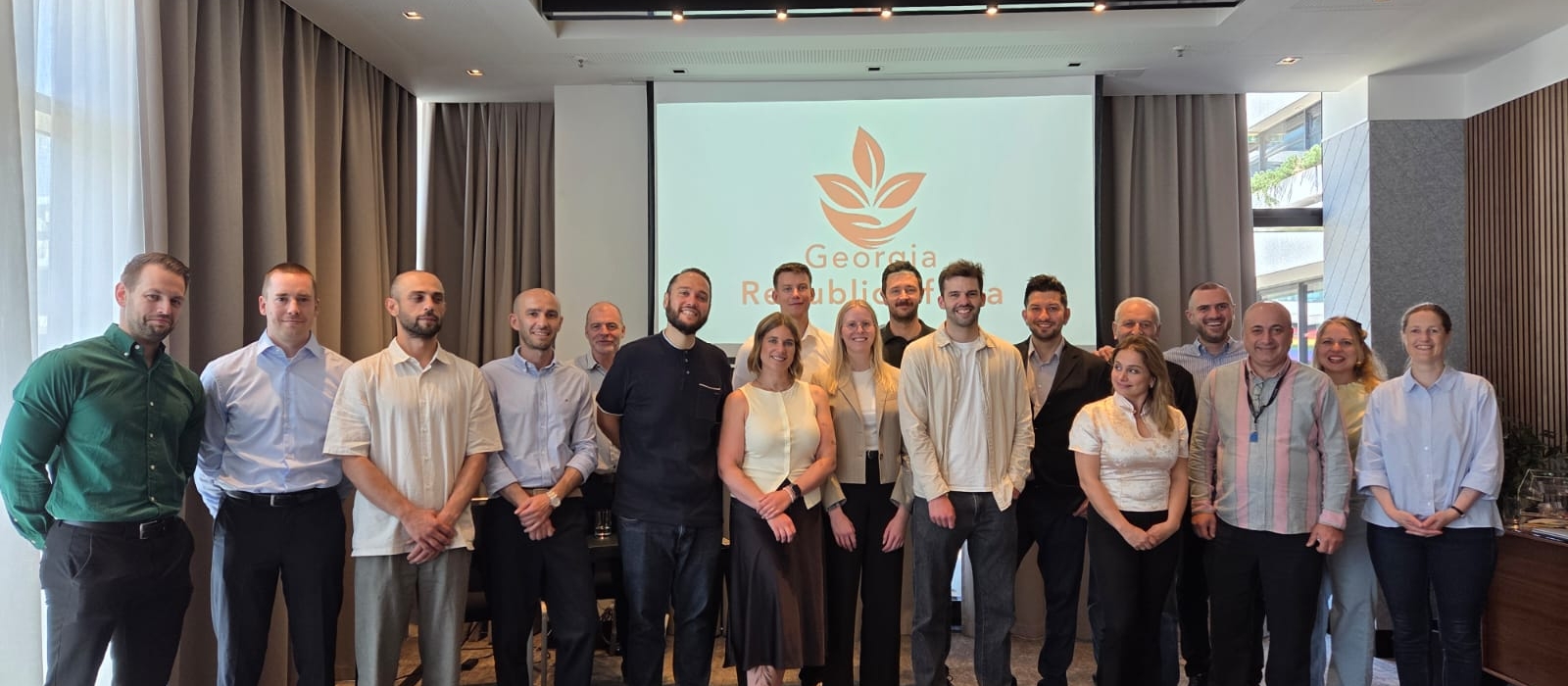
To exchange experience and develop a shared vision on some of these issues, Georgian tea producers, representatives of public institutions, and members of the Local Economic Development Project joined a study visit to Germany from 5 to 12 July. The visit explored practical approaches for strengthening cooperation among producers, improving coordination within the sector, and enhancing the competitiveness of the Georgian tea sector.
During the visit, participants had the opportunity to discuss existing challenges, exchange experiences, and consider which approaches could be effectively adapted to the Georgian context.
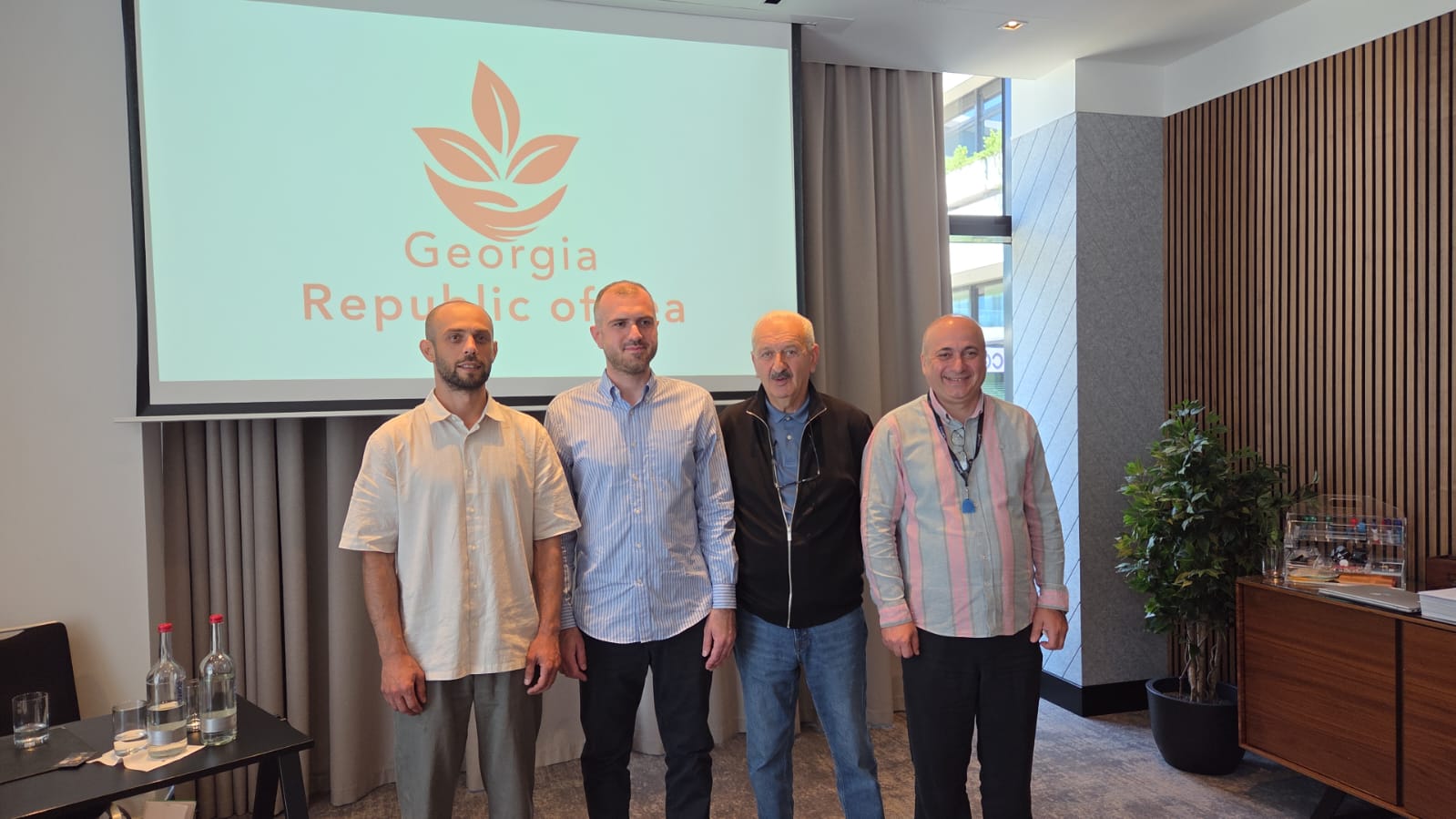
“It was particularly important for us to see that a strong producer organisation is about more than selling products collectively. It must be built on trust among its members, their active participation, and services that respond to producers’ real needs,” said Giorgi Maisuradze, Director of the tea producer organisation Georgia – The Republic of Tea.
As part of the programme in Berlin and Hamburg, the delegation explored different models for the governance of producer organisations, member coordination, product aggregation, quality assurance, and collective marketing.
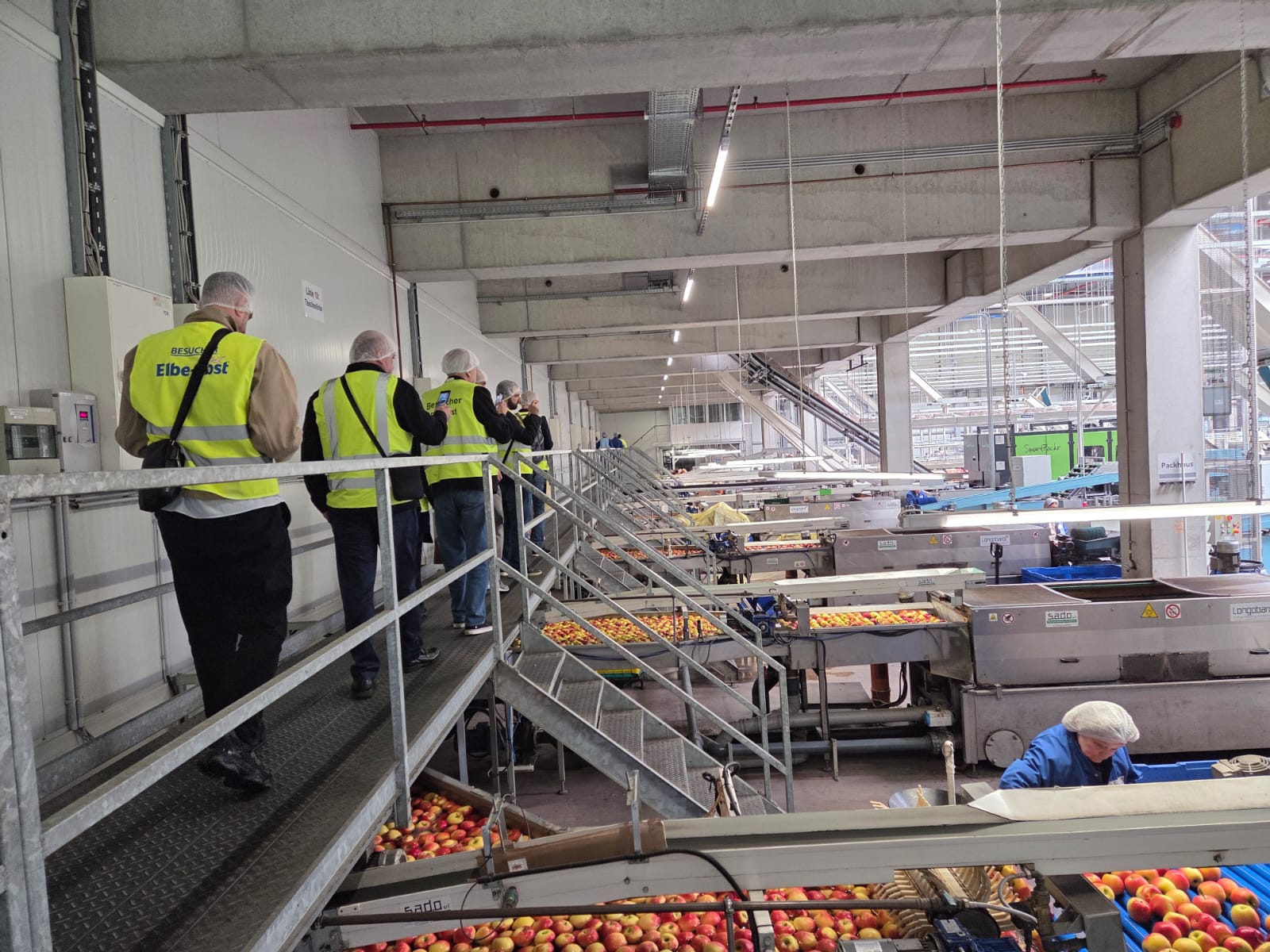
Participants met with representatives of Mecklenburger Ernte GmbH, BVEO, and Elbe-Obst and discussed how these organisations support their members through coordination, quality assurance, and stronger access to markets.
Although the host organisations operate in agricultural sectors other than tea, their experience demonstrated that successful producer cooperation depends on clear governance, active member participation, transparent decision-making, and agreement around common goals.
These issues are especially relevant to Georgia’s tea sector, where smallscale producers often have to address challenges related to quality, production volumes, buyer relations, and access to new markets on their own.
“When producers operate individually, it is difficult to ensure consistent volumes, uniform quality, and a reliable response to market requirements. Cooperation gives us the opportunity to address common challenges together and engage with the market from a stronger position,” said Tengiz Svanidze, Executive Director of the Georgian Tea Producers Association “Georgian Tea.”
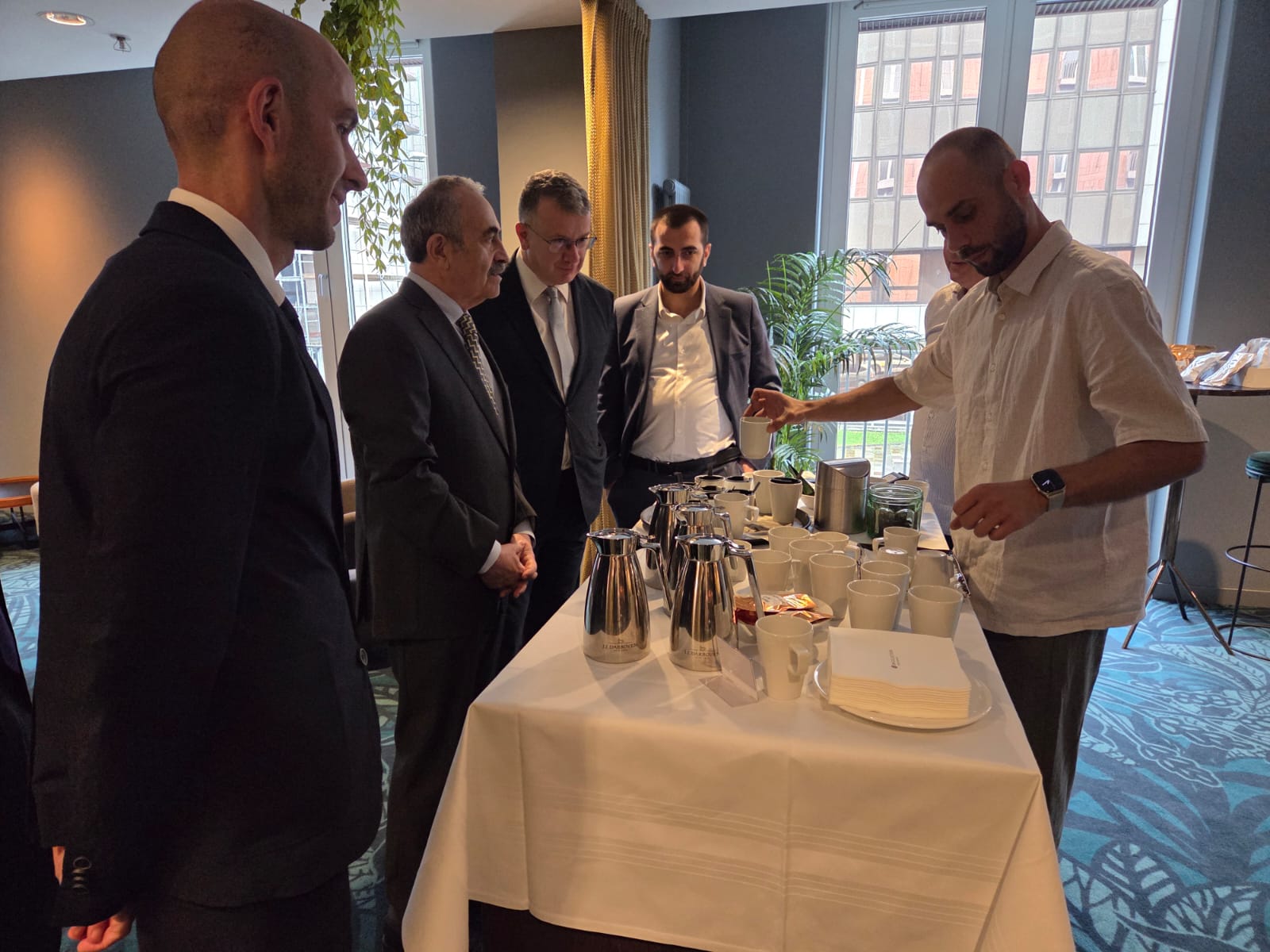
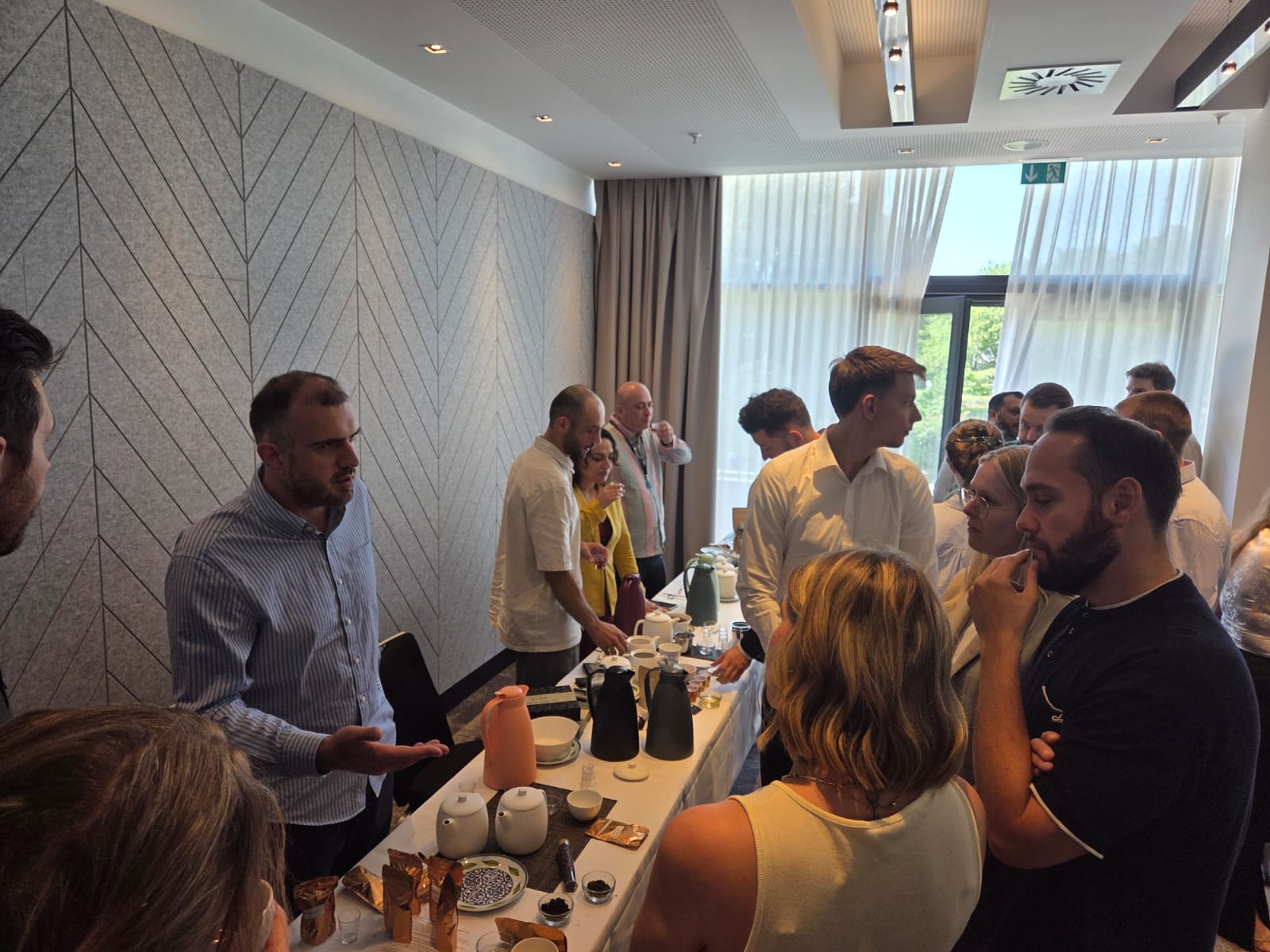
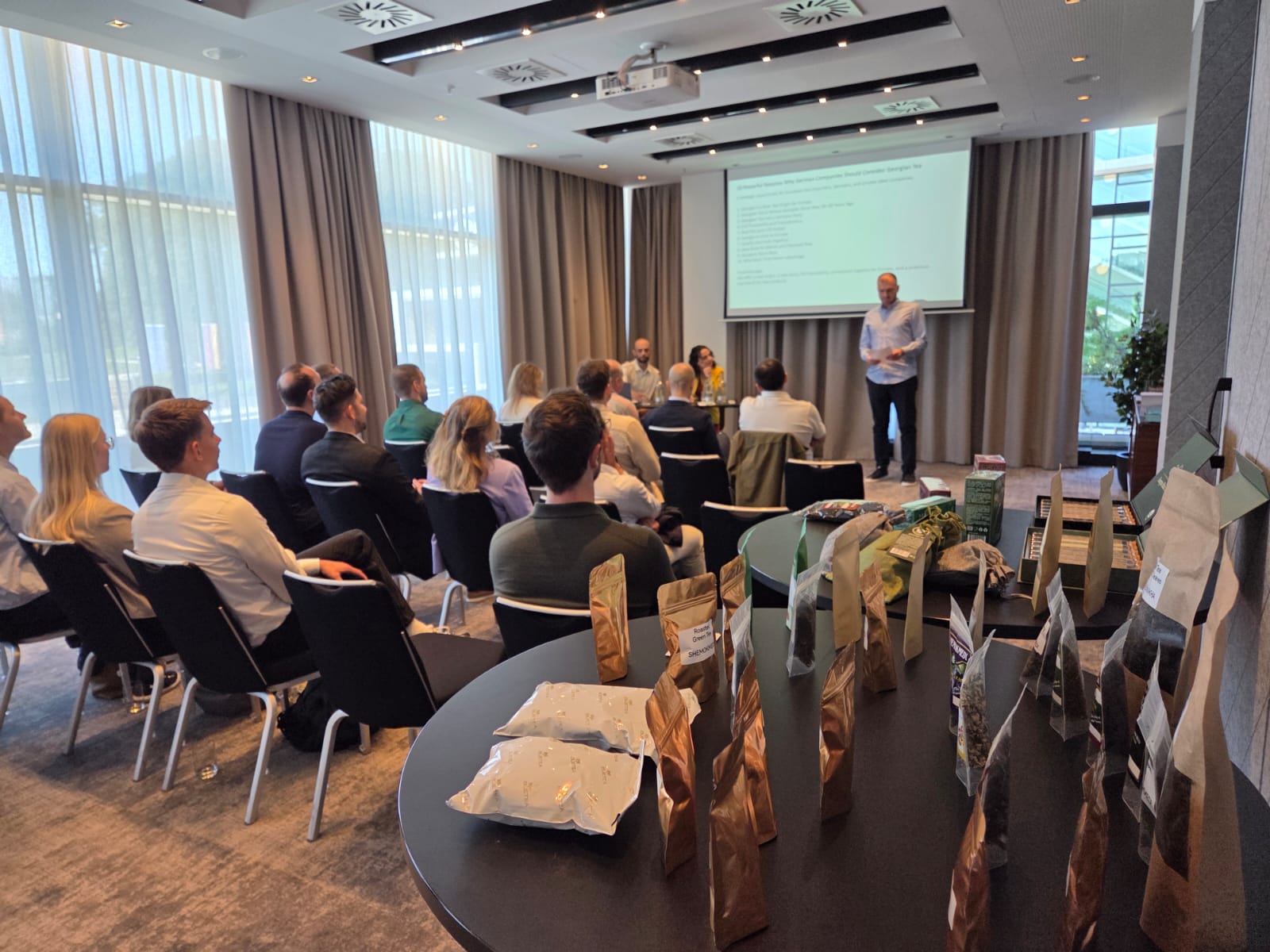
The study visit also included direct engagement with market representatives. Members of the delegation met with companies operating in the tea sector and potential buyers, visited specialised tea shops and retail outlets, and participated in a range of business-to-business meetings.
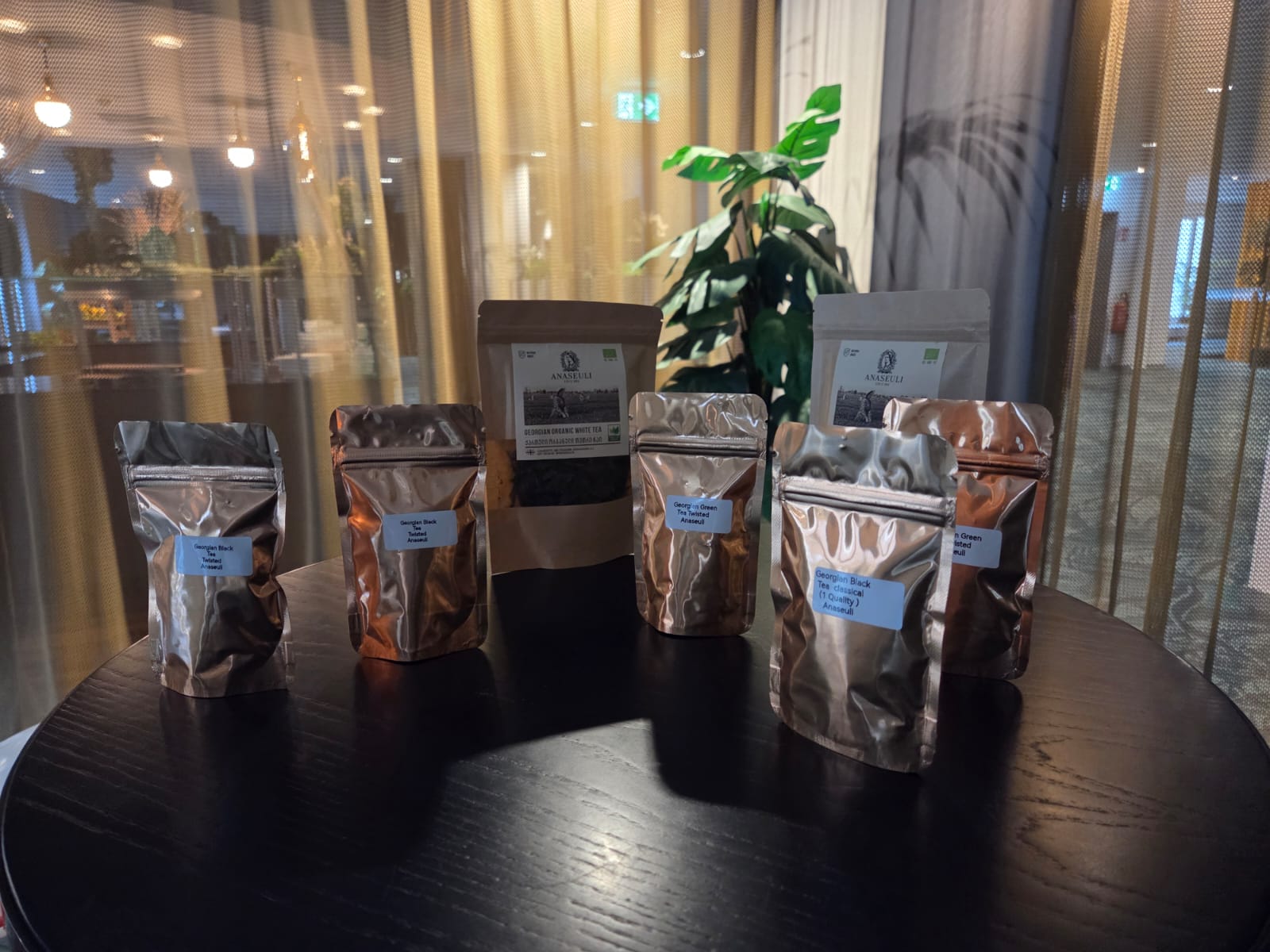
These exchanges helped participants better understand what European buyers consider when selecting products and the importance they place on quality, origin, reliable supply, packaging, and the story behind a product.
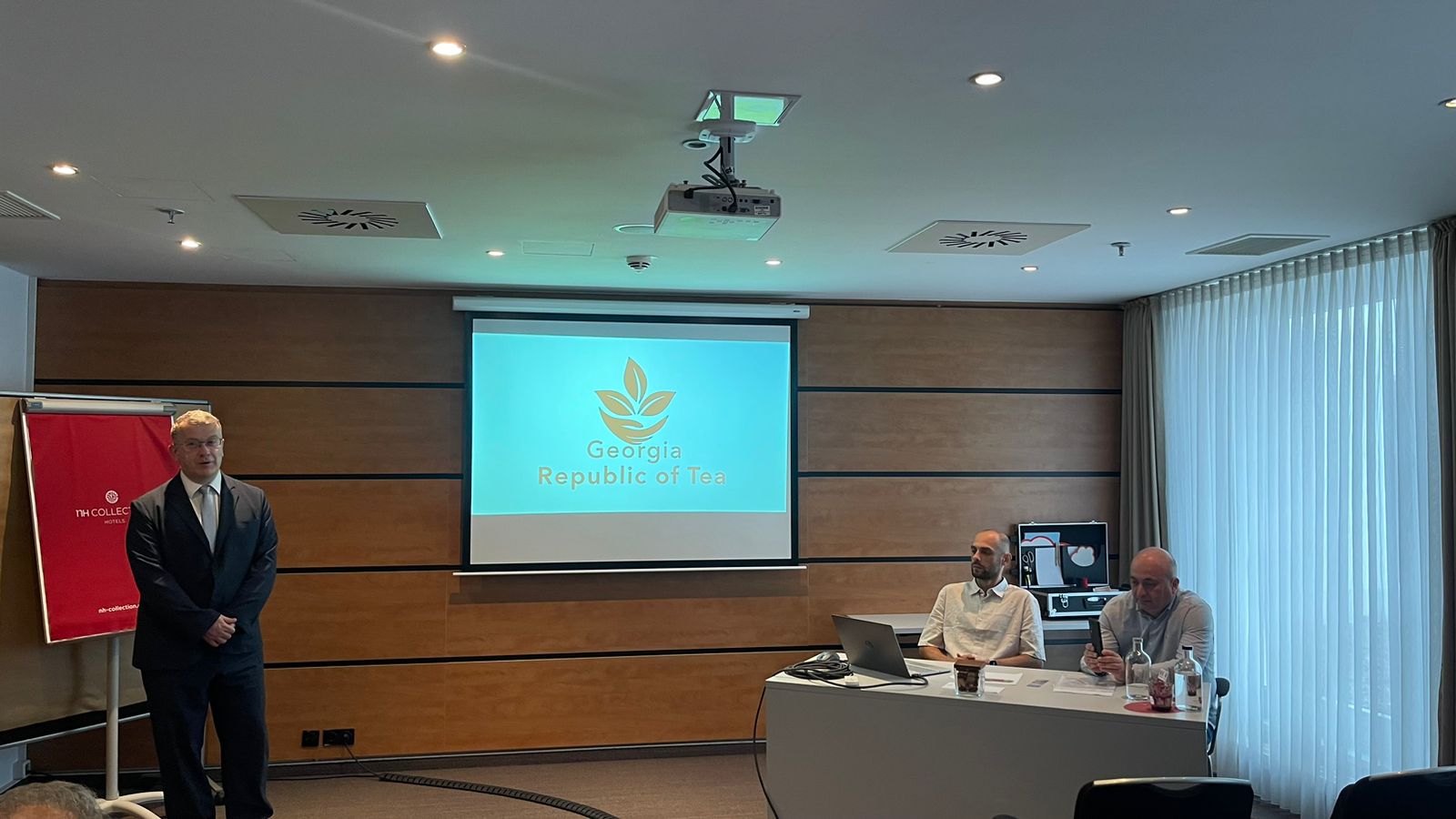
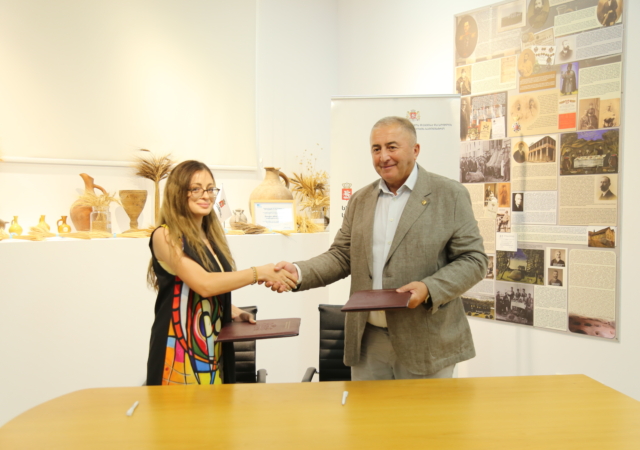
During the visit, Georgia’s Deputy Minister of Environmental Protection and Agriculture, Lasha Dolidze, spoke about the importance of developing the country’s tea industry.
“Georgian tea has significant development potential. Our goal is for Georgian tea to establish itself in international markets as a high-quality product with a distinctive origin. This visit serves that very purpose: to learn as much as possible from international experience and introduce relevant innovations to support the development of the tea sector. I am confident that, through our joint efforts and with the support of international partners, Georgia’s tea industry will continue to grow stronger and make an important contribution to the country’s economic development,” said Lasha Dolidze.
A significant part of the visit focused on how the experience gained in Germany could be adapted to Georgia’s context. Participants discussed the future development of the tea producer organisation Georgia – The Republic of Tea, the services required by its members, producer participation in decision-making, quality improvement, and stronger connections with markets.
“The important outcomes of the visit were that different stakeholders in Georgia’s tea sector came together to discuss common interests and challenges and that the producer organisation is now better informed and positioned to provide sector leadership towards a more market-oriented and competitive future vision” said Roger Oakeley, Team Leader of the Local Economic Development Project (LEDP).
The knowledge gained and the new professional connections established during the visit will provide a foundation for continued cooperation. The next step for Georgia – The Republic of Tea will be to further strengthen its role as a producer-led platform, improving coordination among sector stakeholders, and developing a more organised response to market demand.
The study visit was organised within the framework of the Local Economic Development Project (LEDP), funded by the Swiss Agency for Development and Cooperation (SDC) and implemented by HELVETAS Swiss Intercooperation.