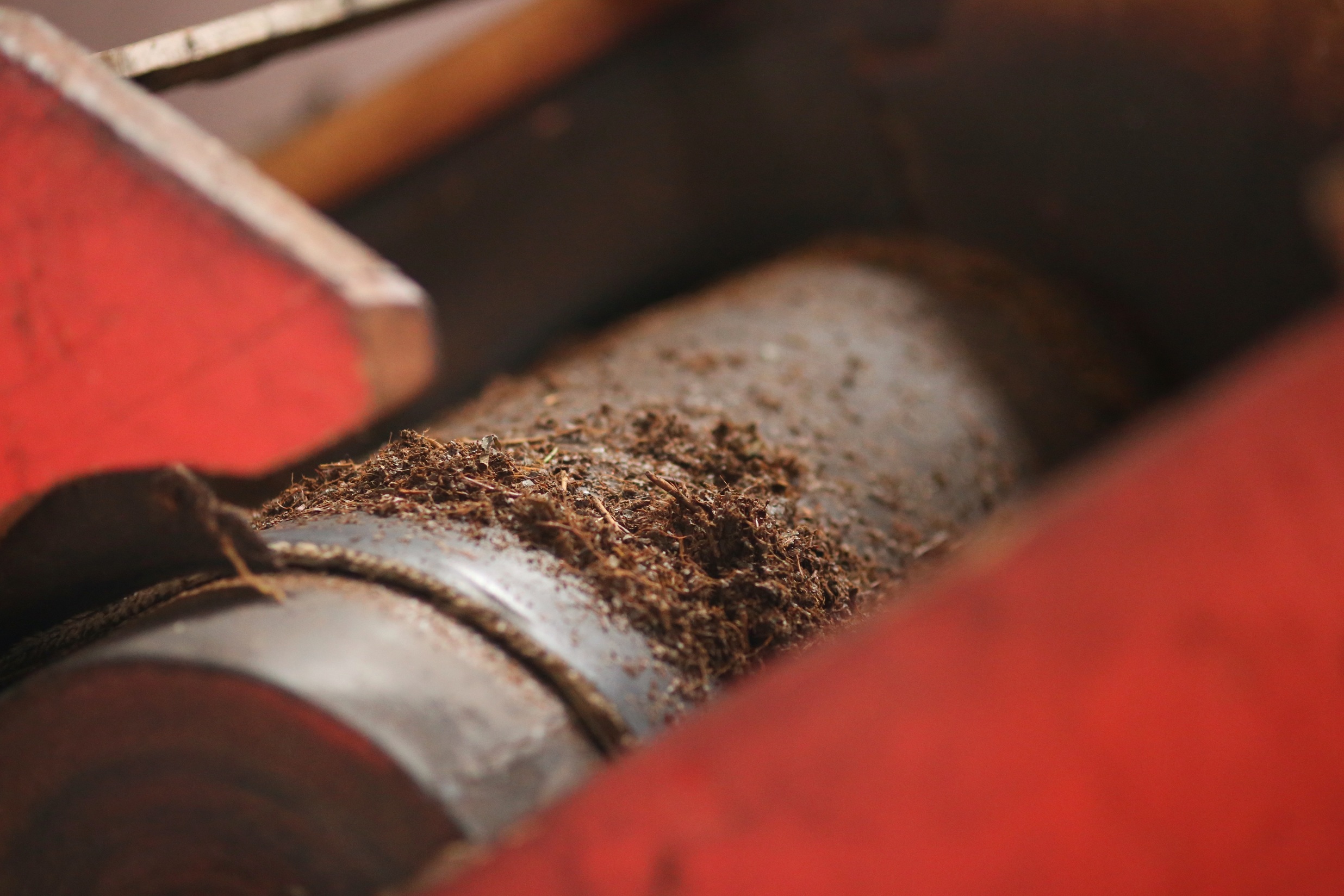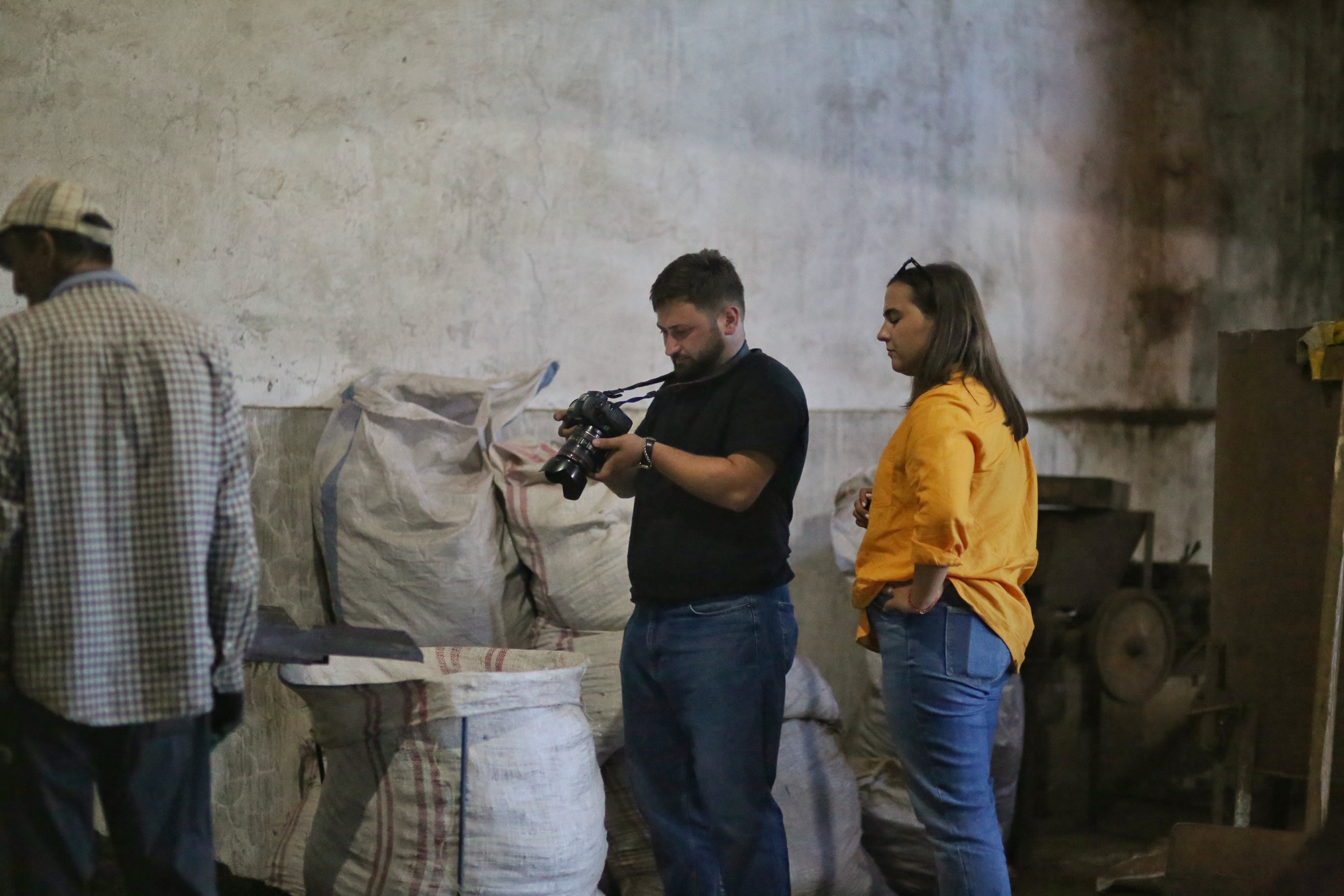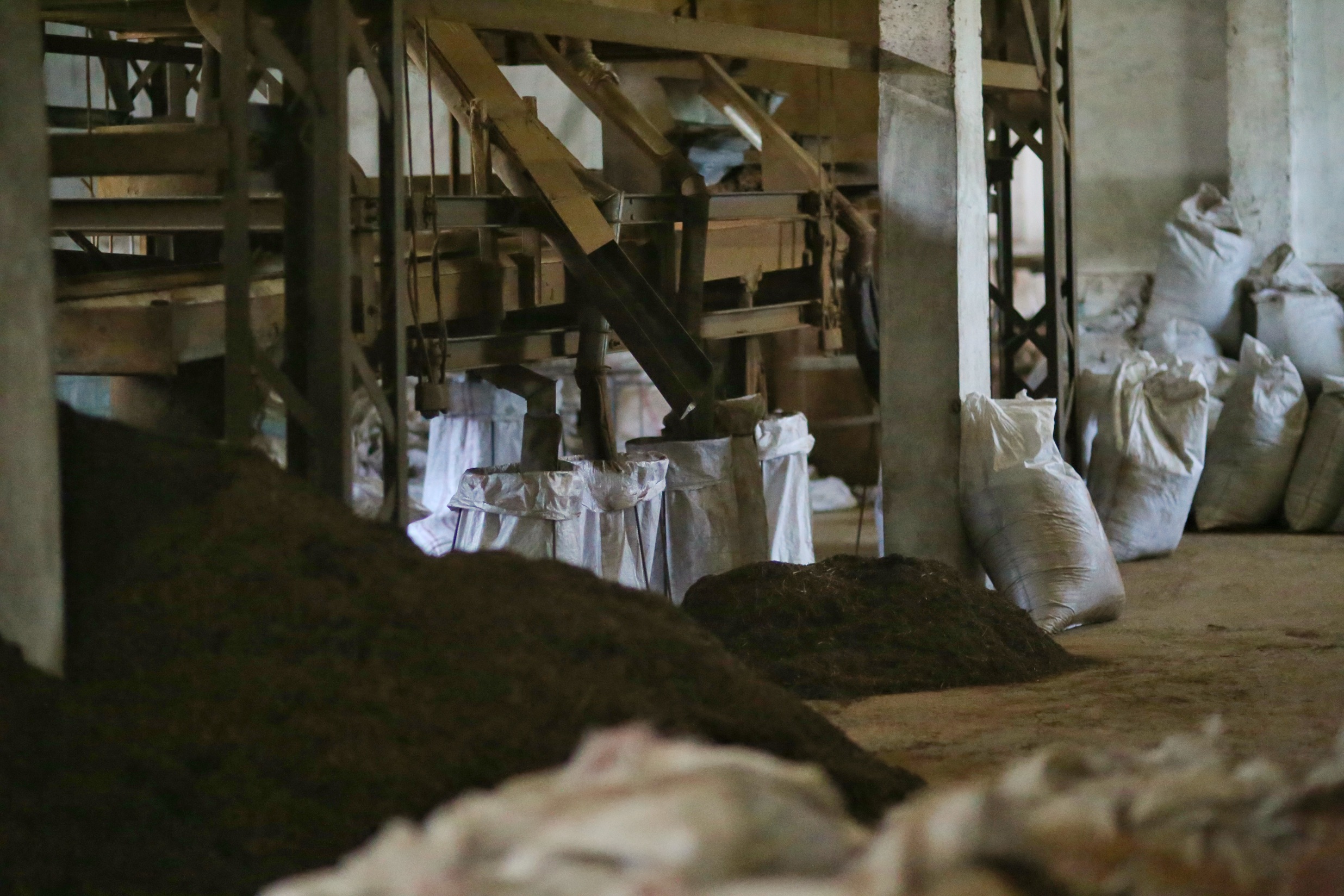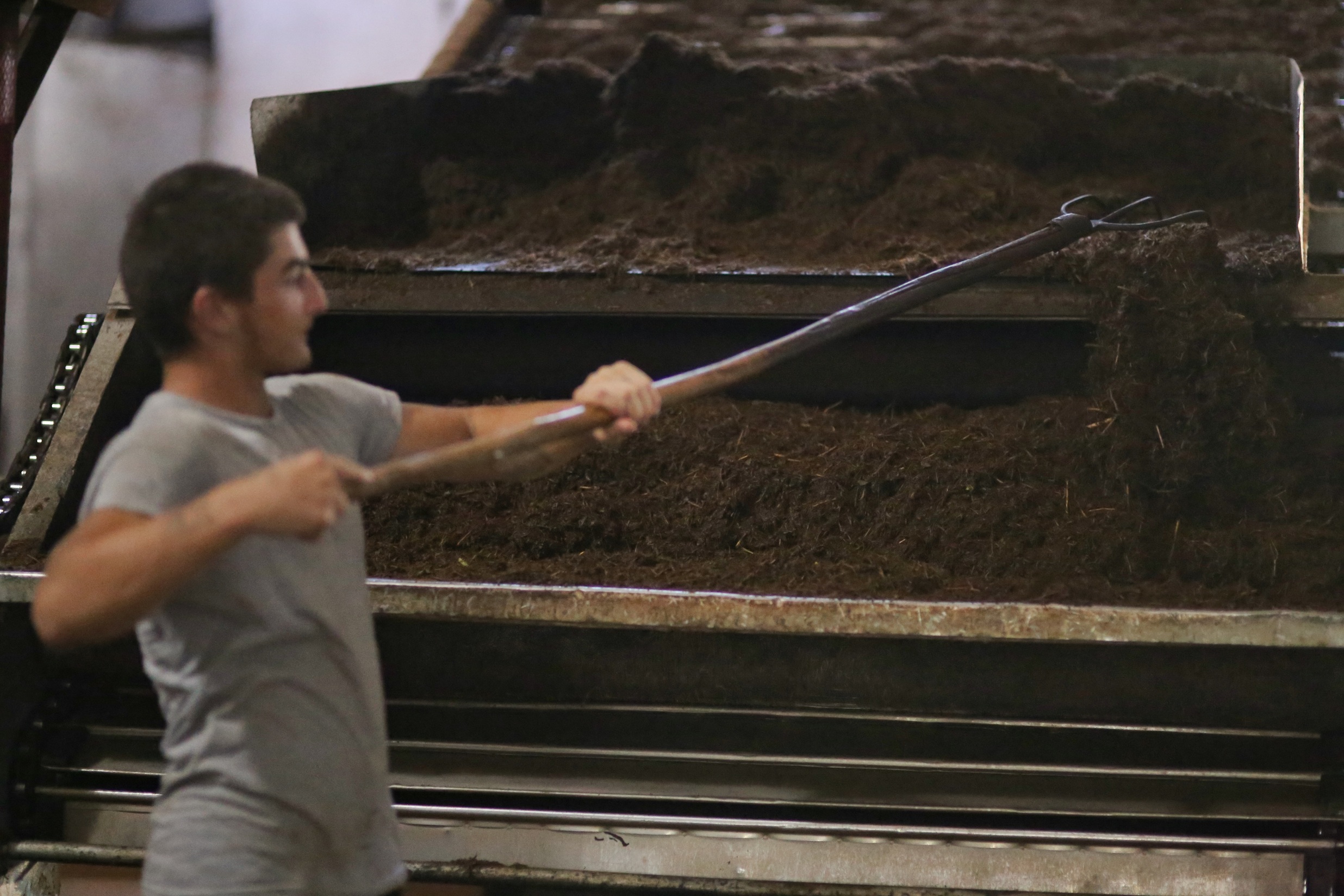


What journey does Georgian tea take from the plantation to the consumer? What prevents local producers from reaching wider markets, and what could stronger cooperation among sector stakeholders change?
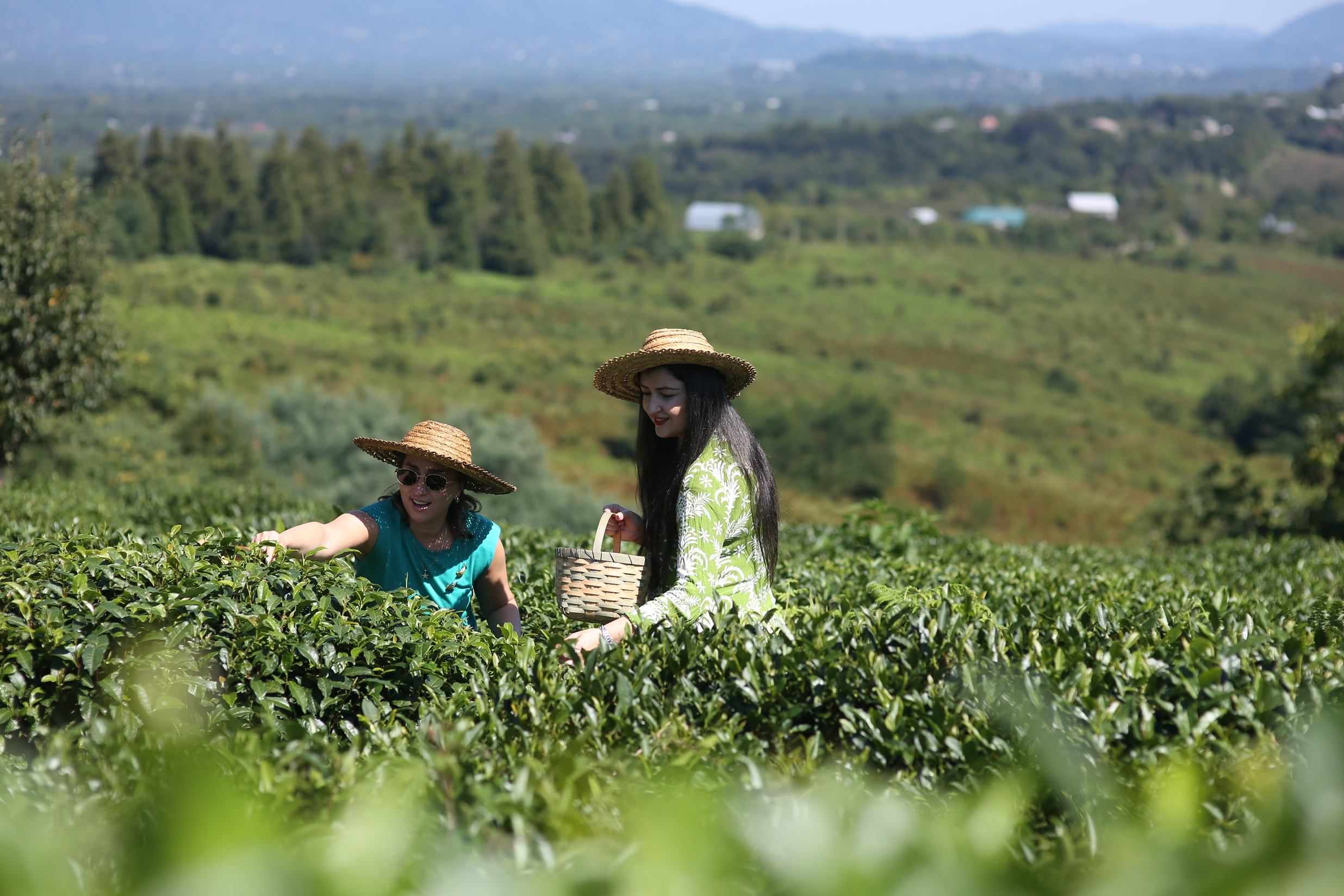
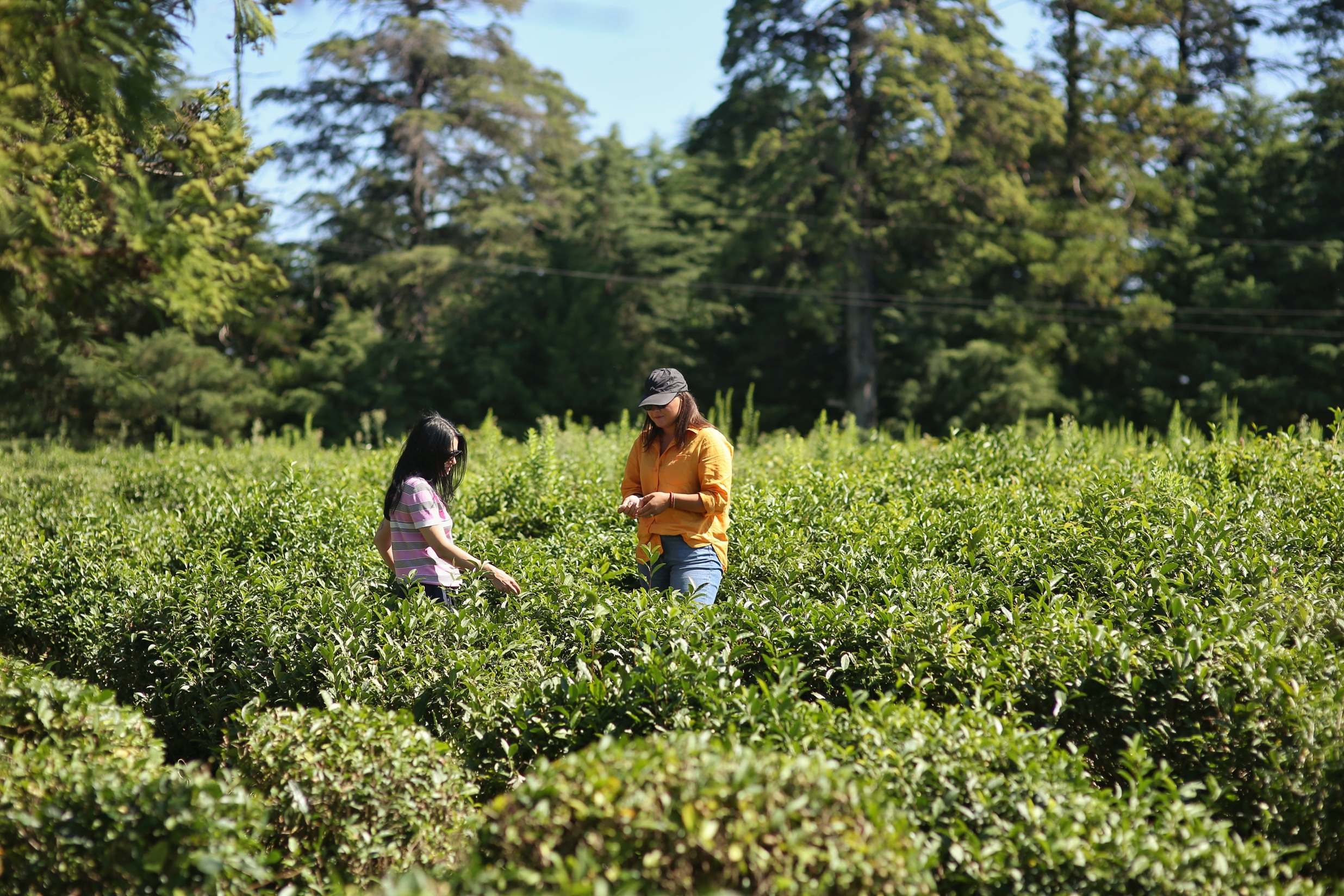
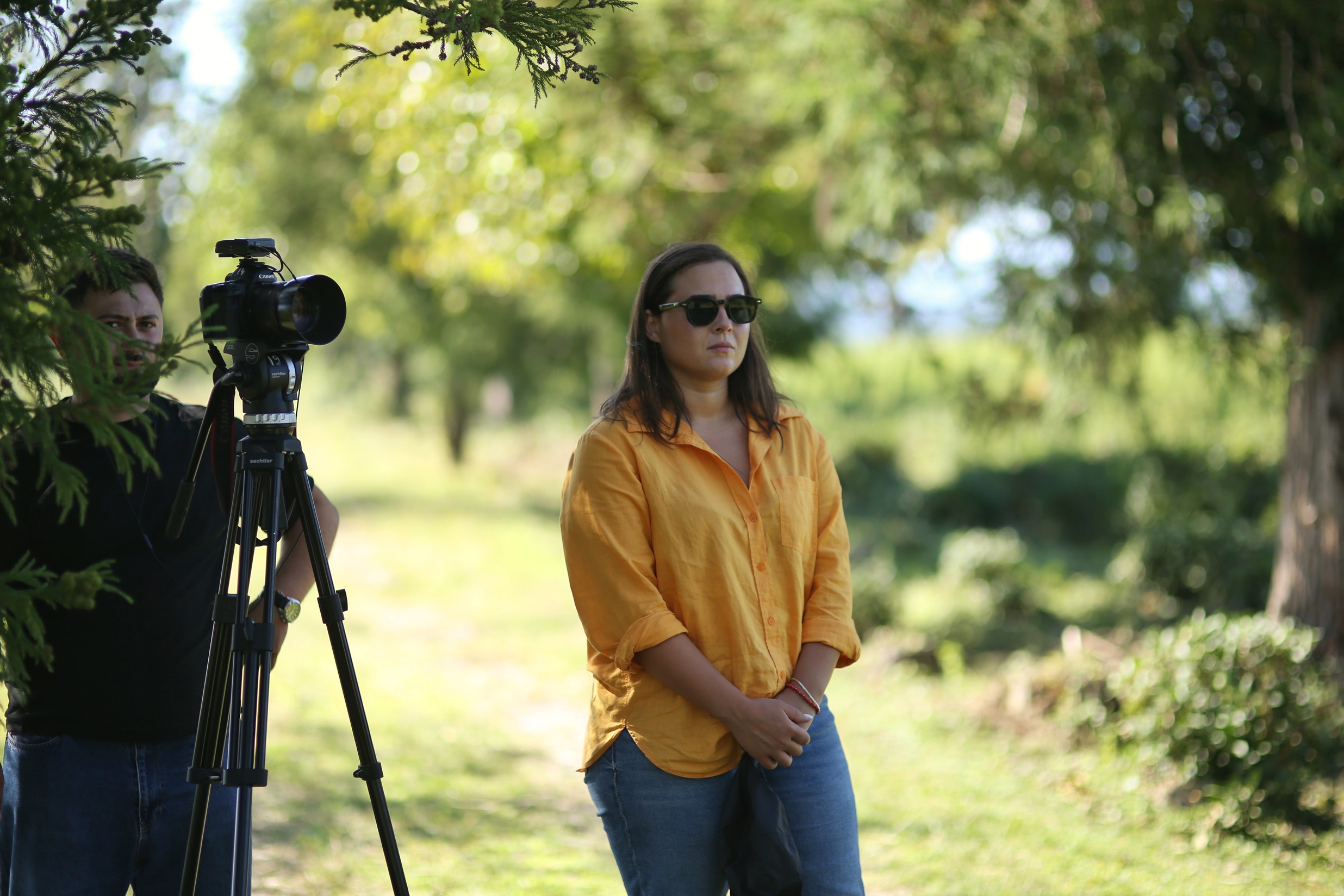
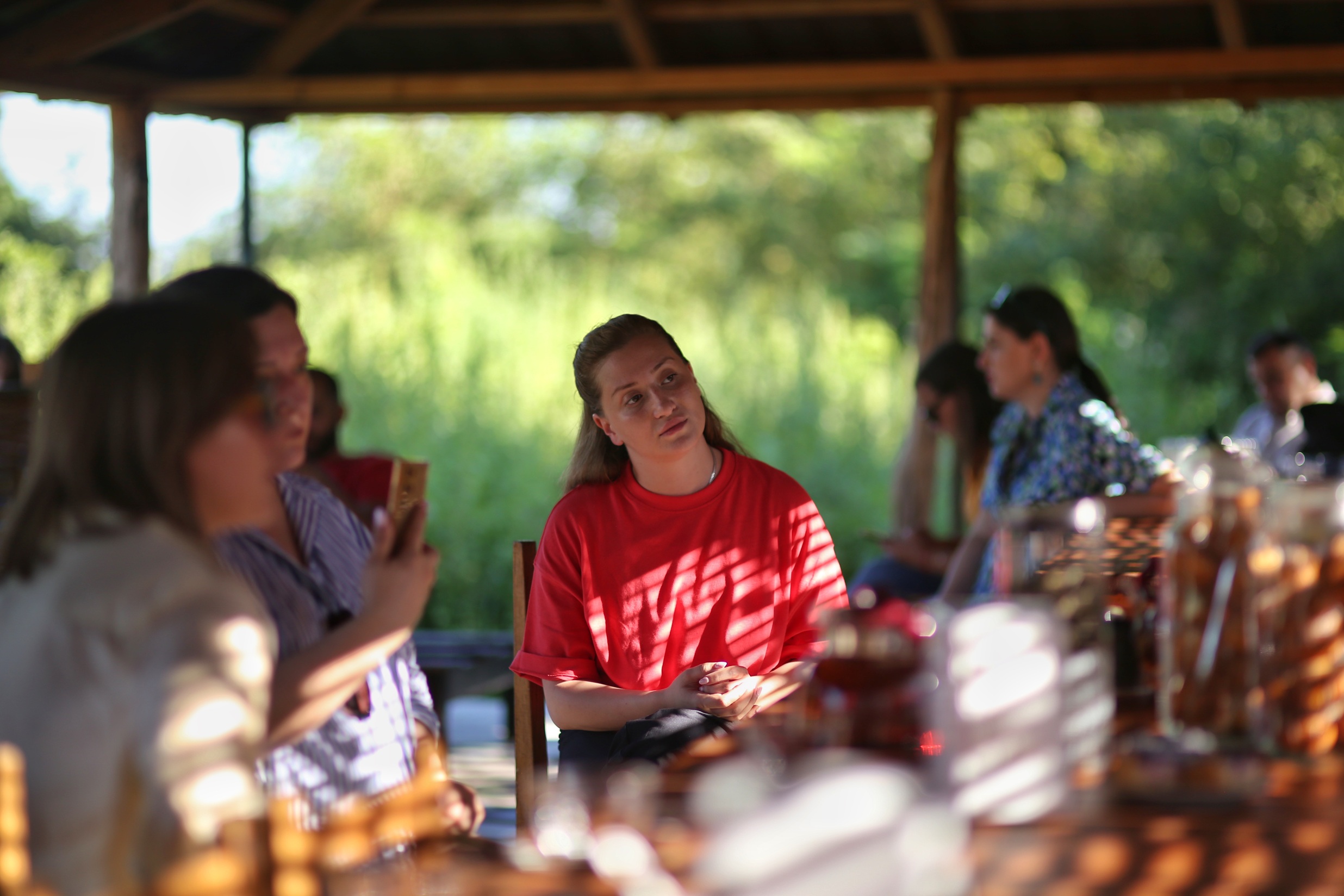
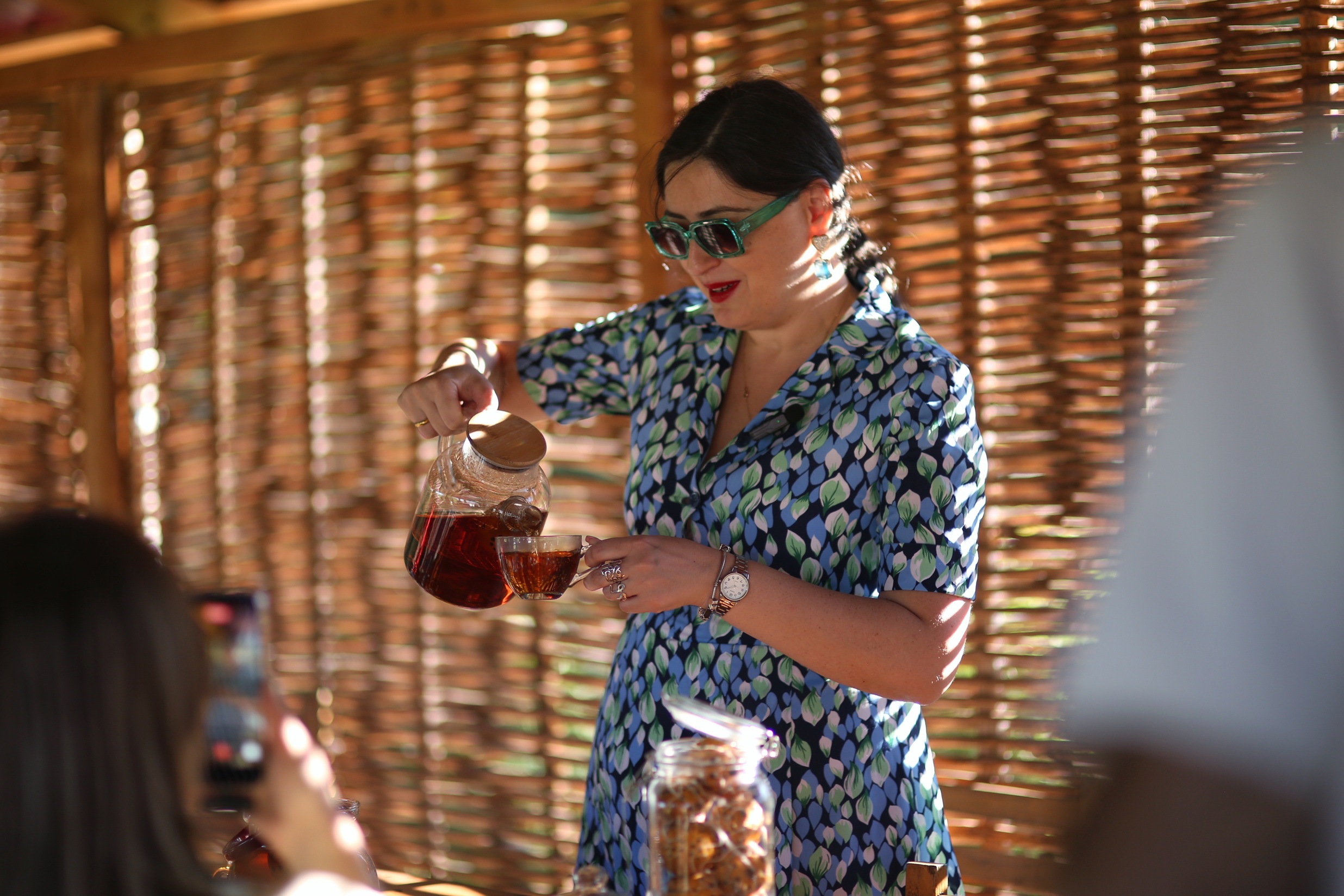
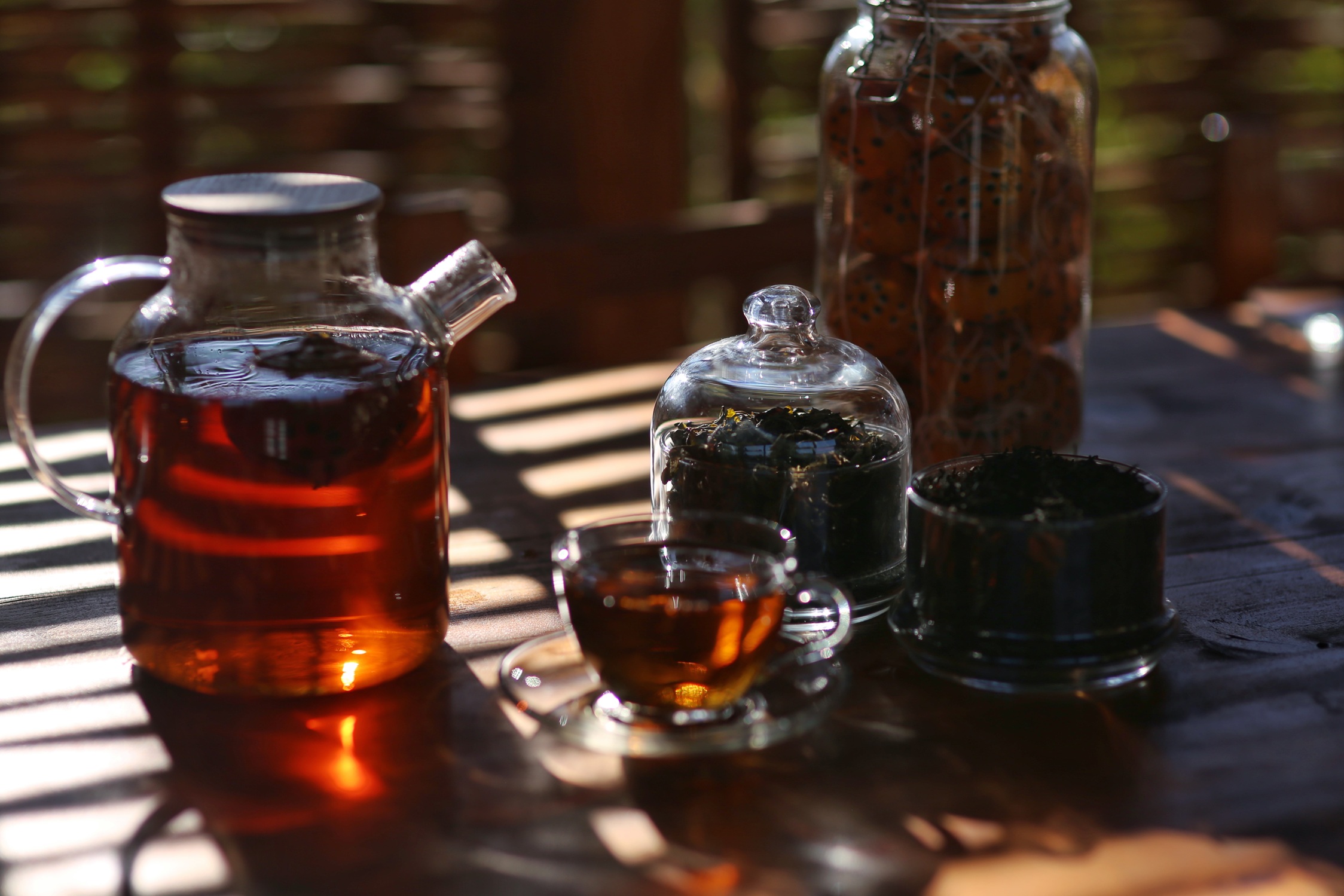
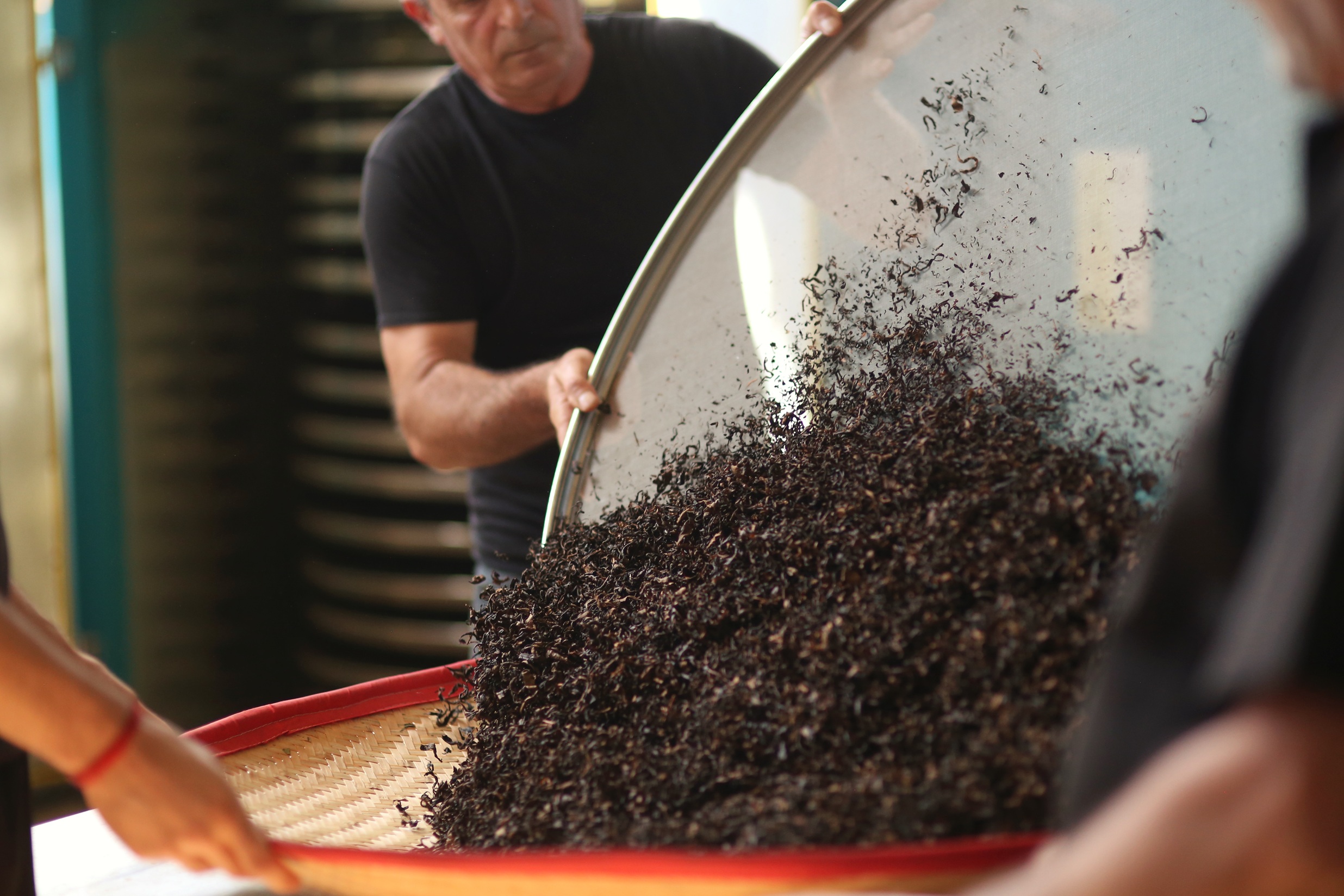
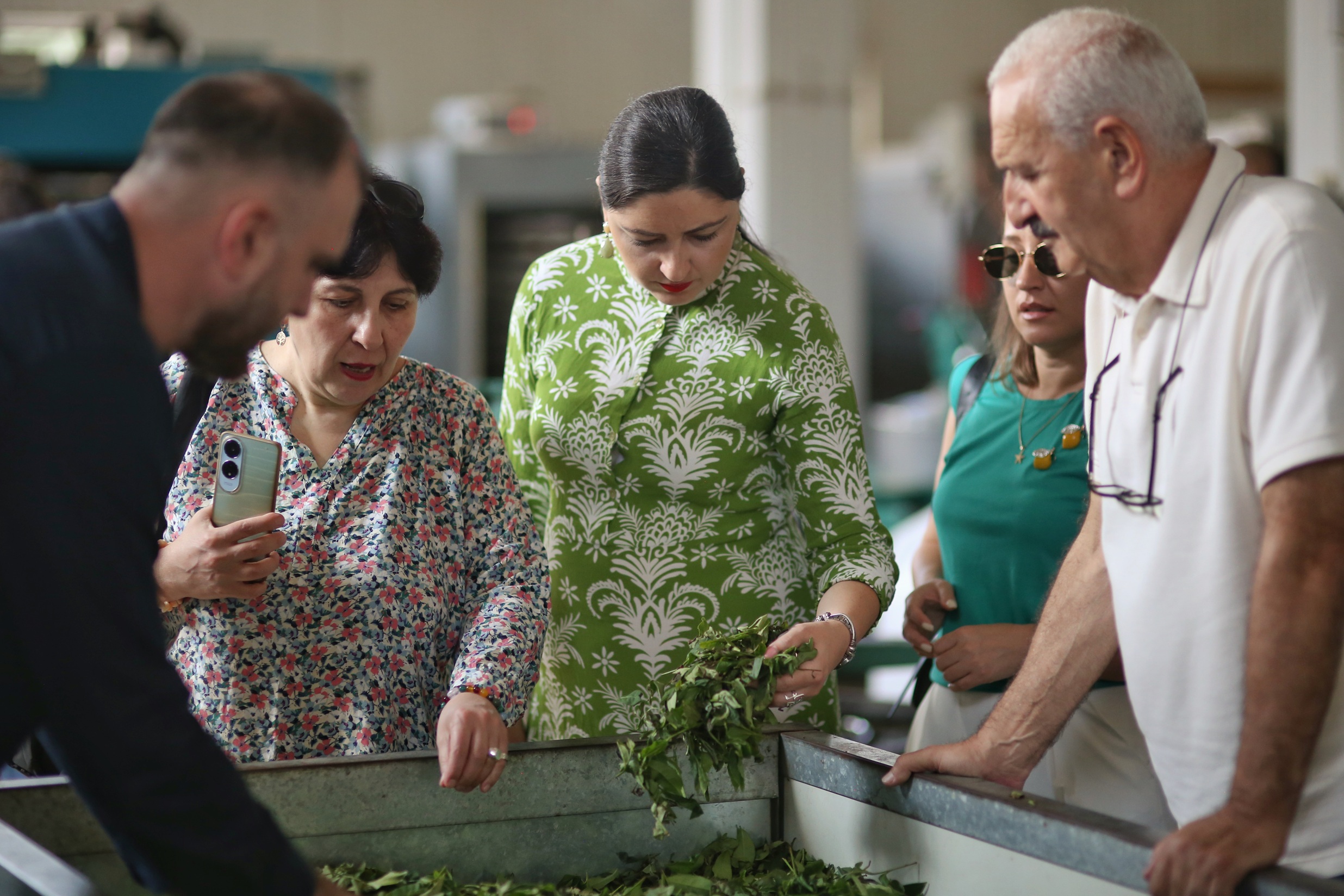
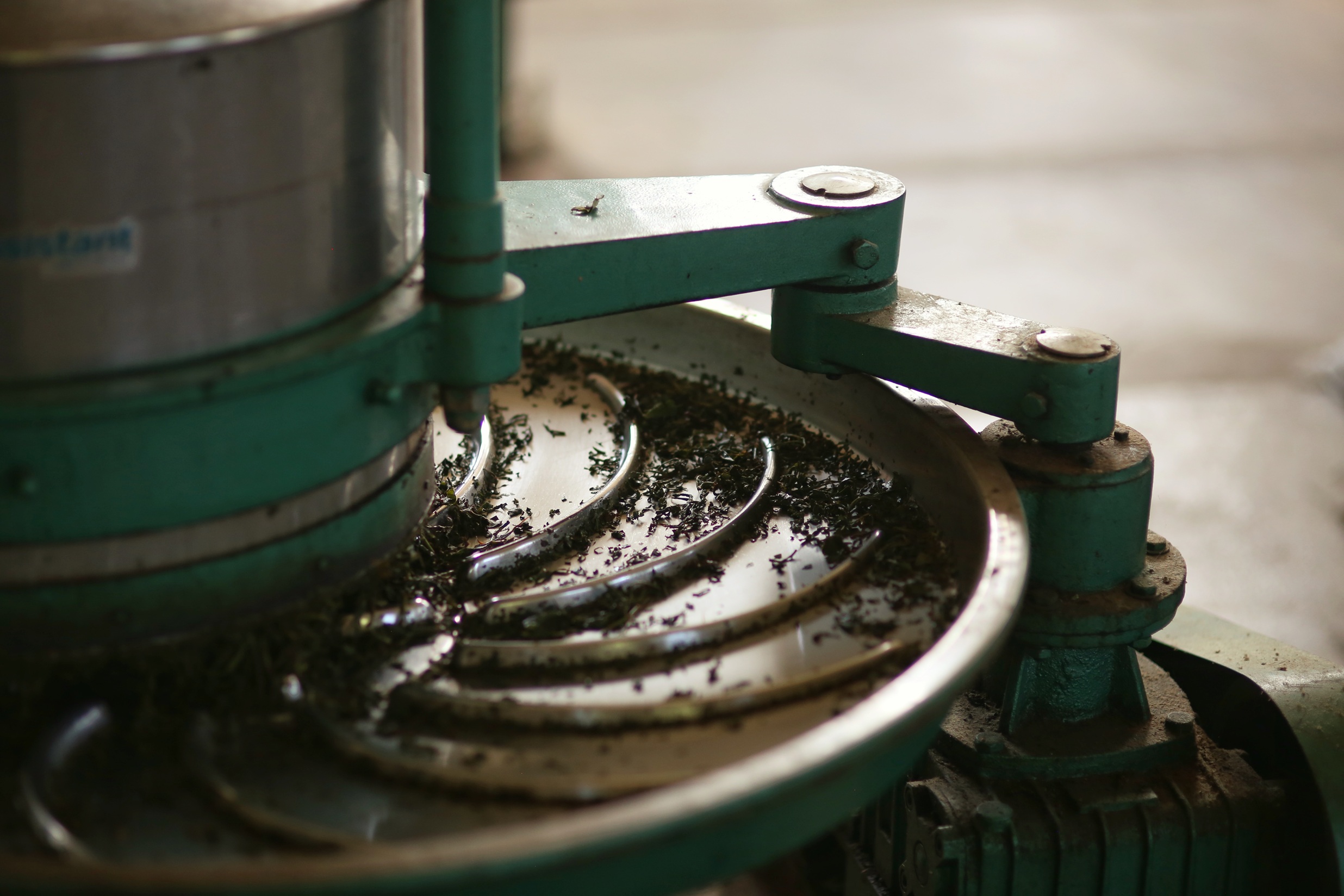
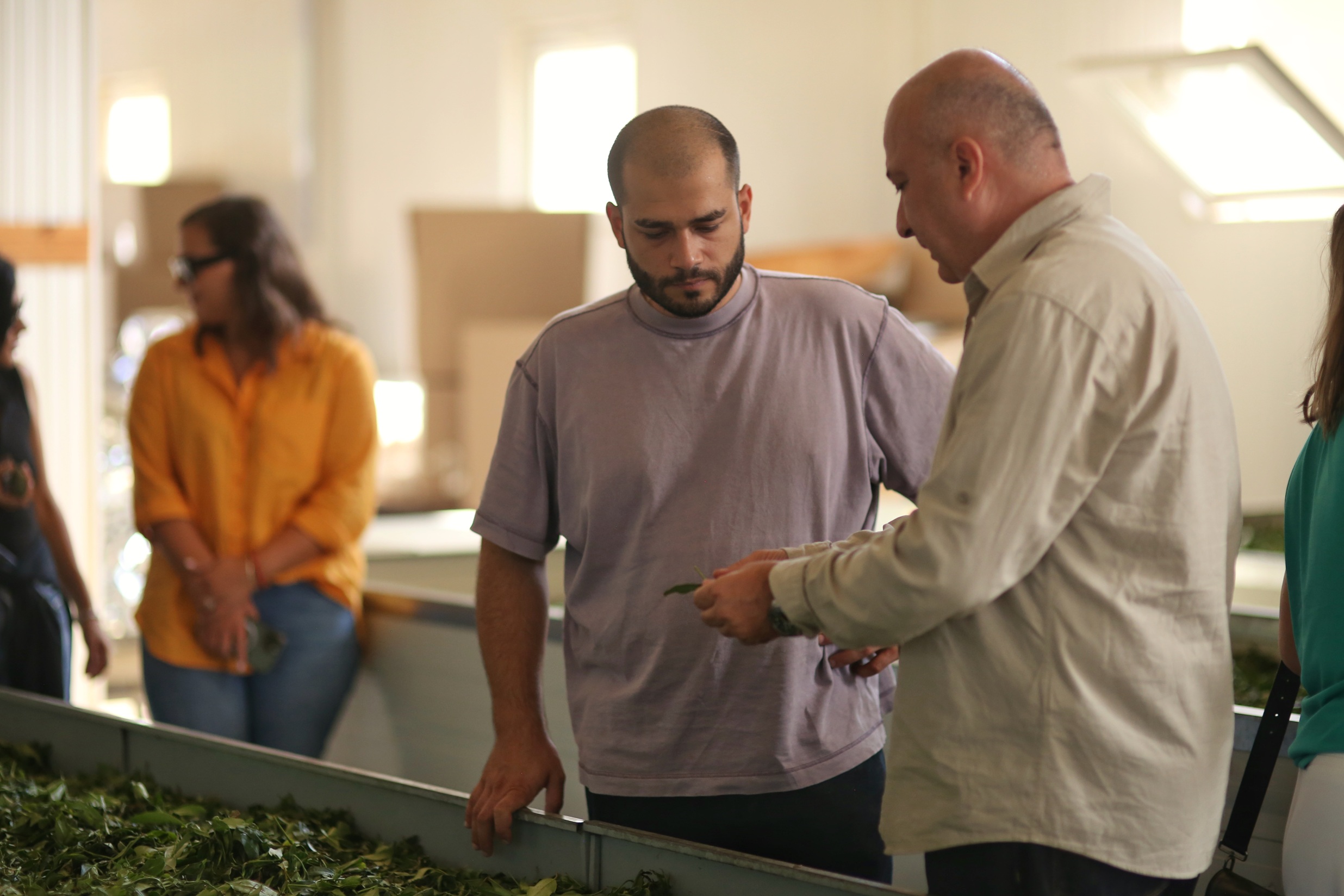
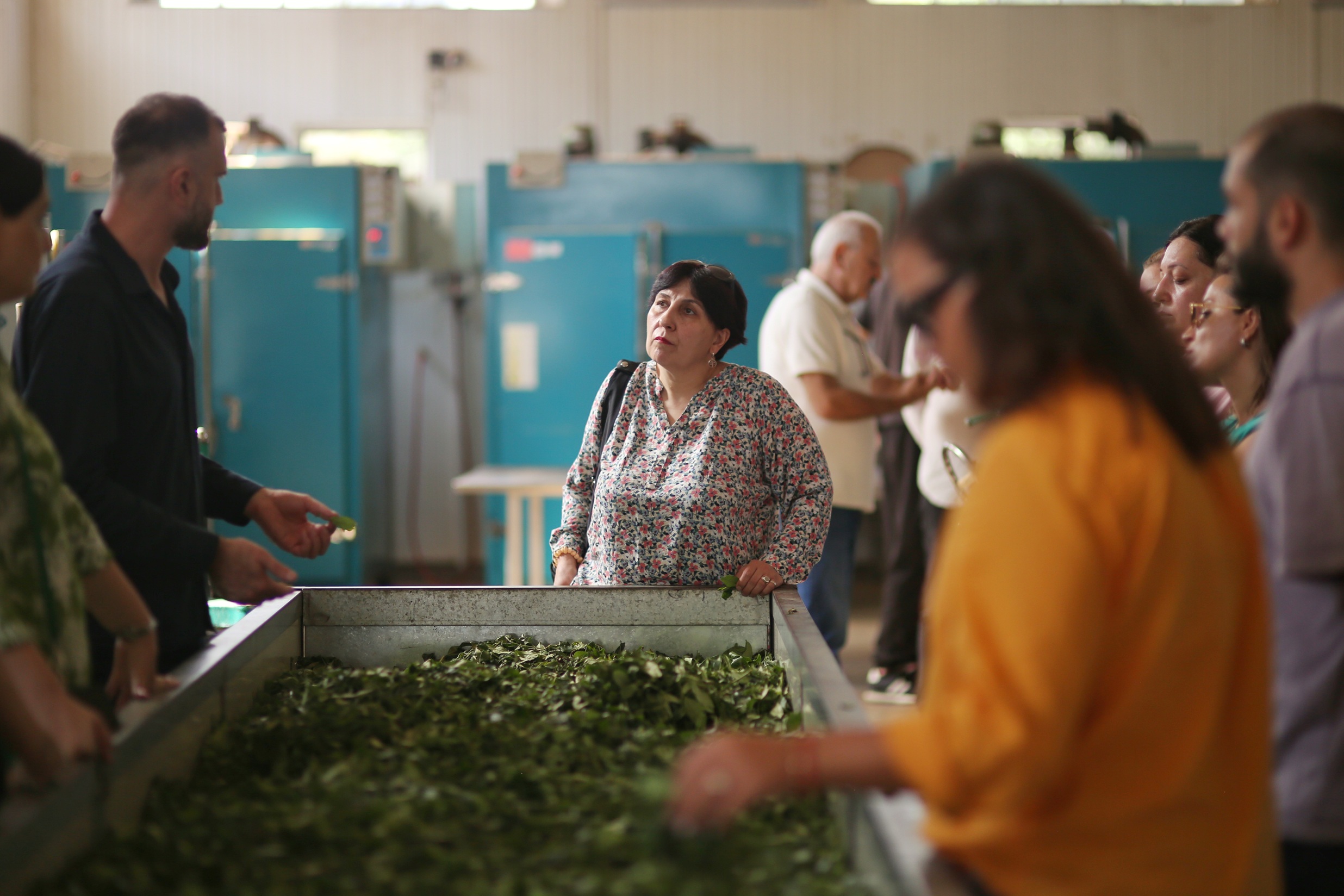
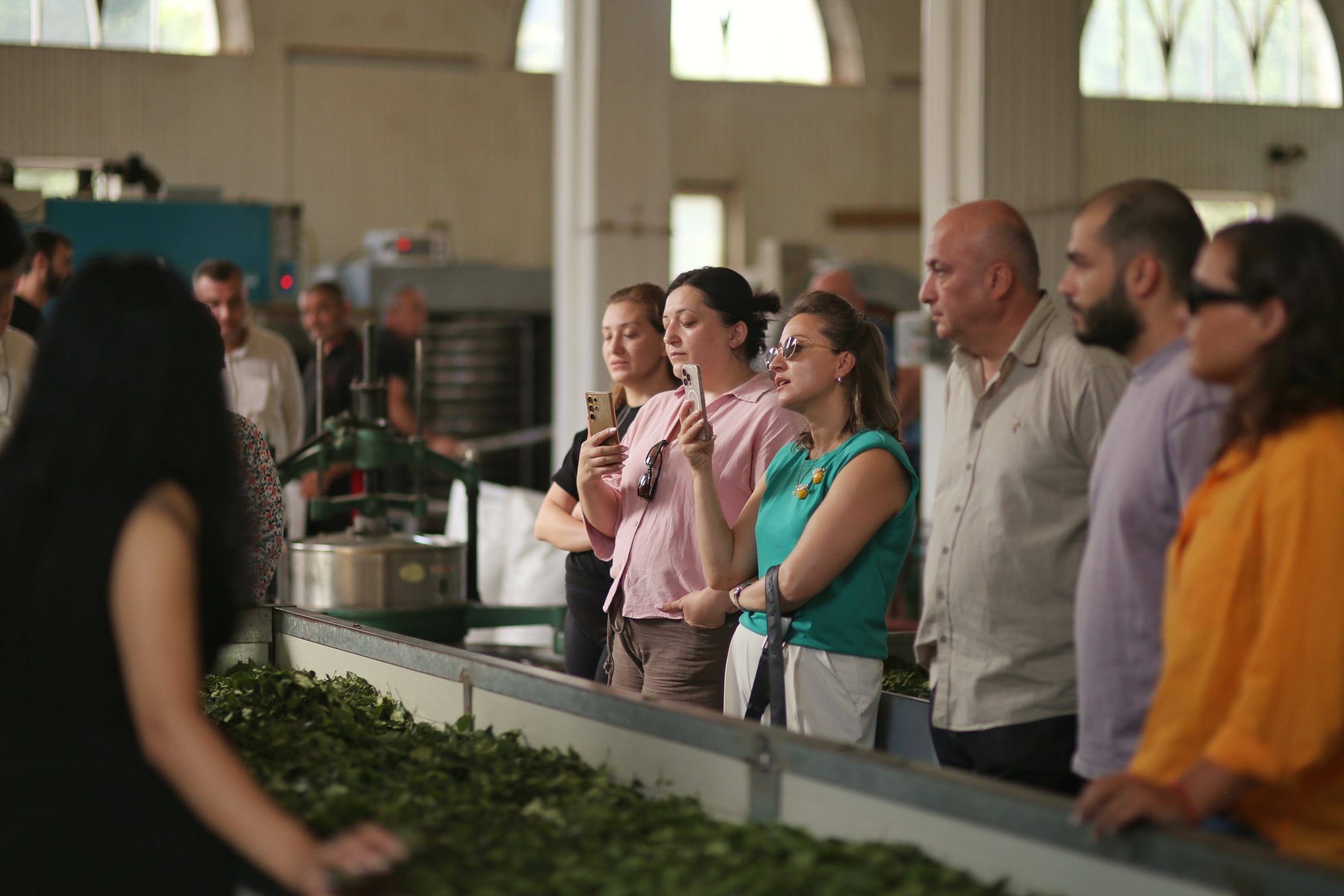
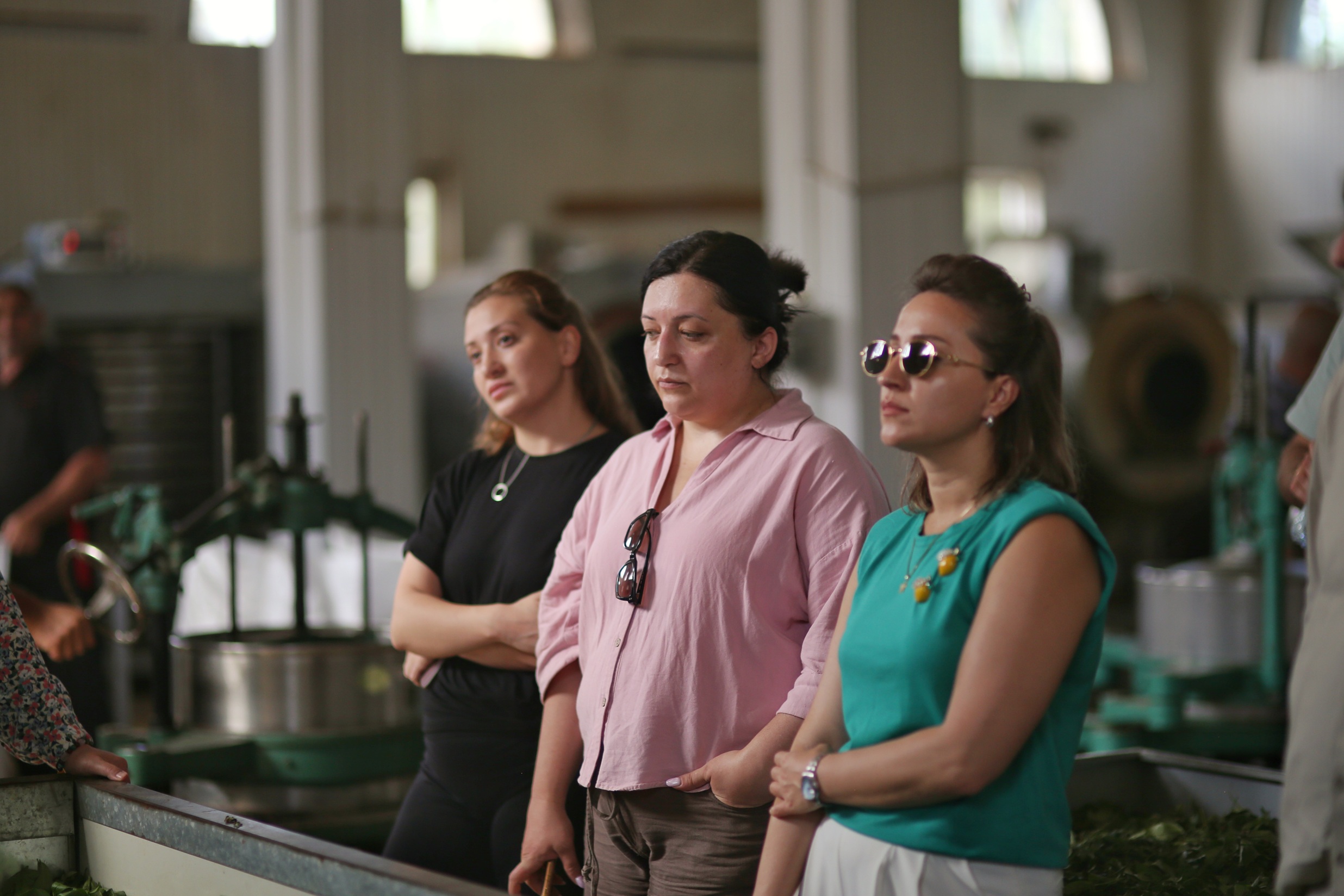
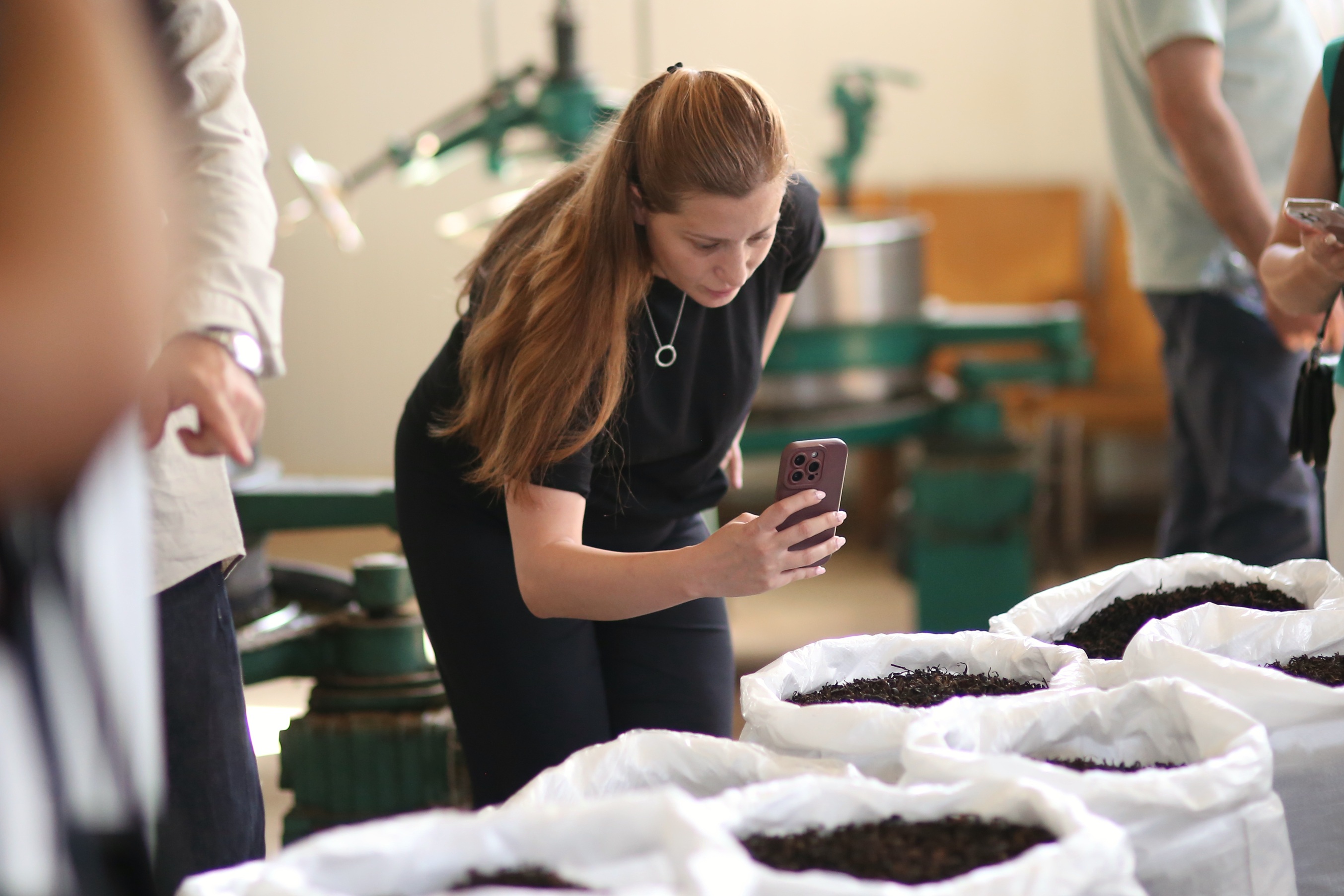
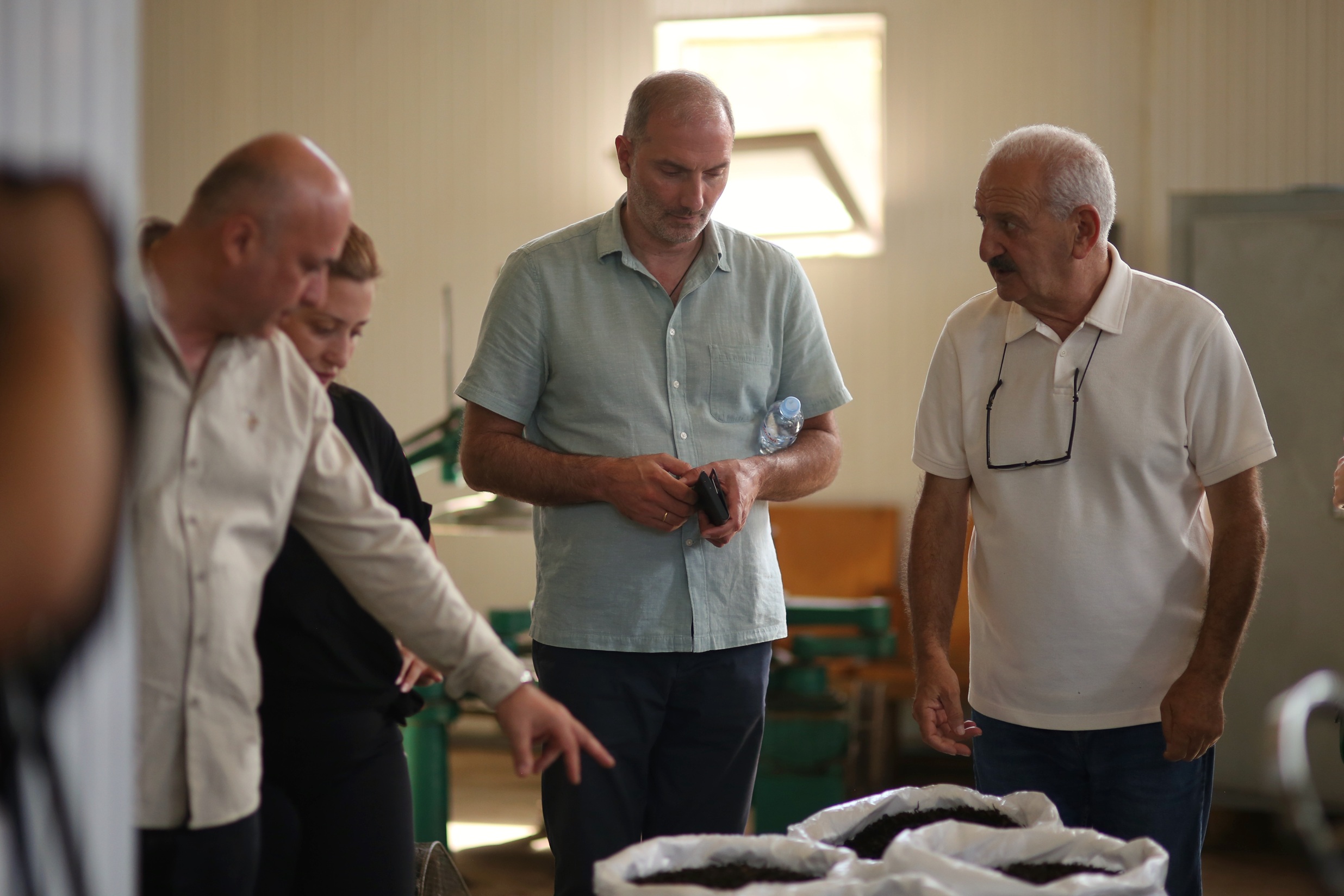
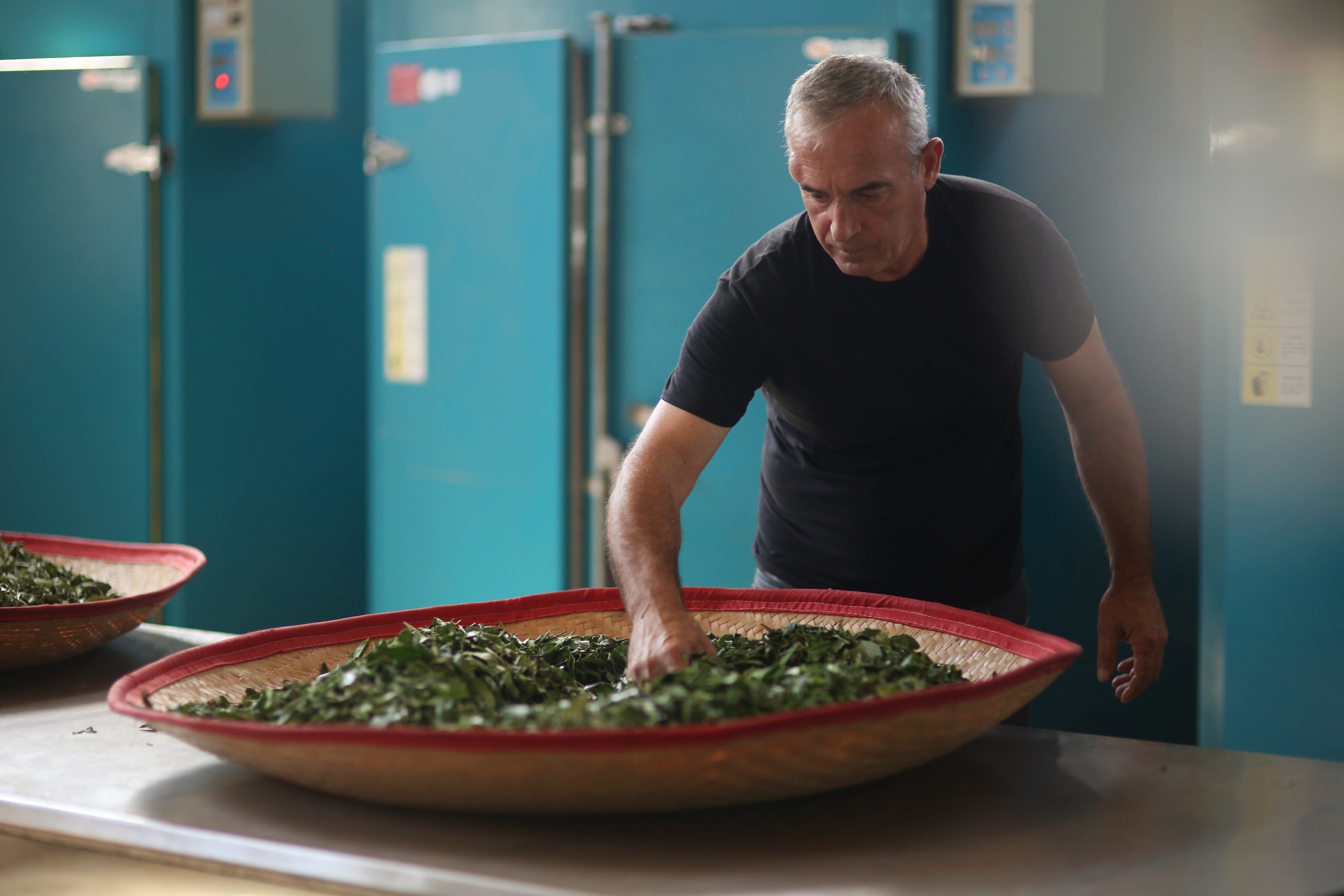
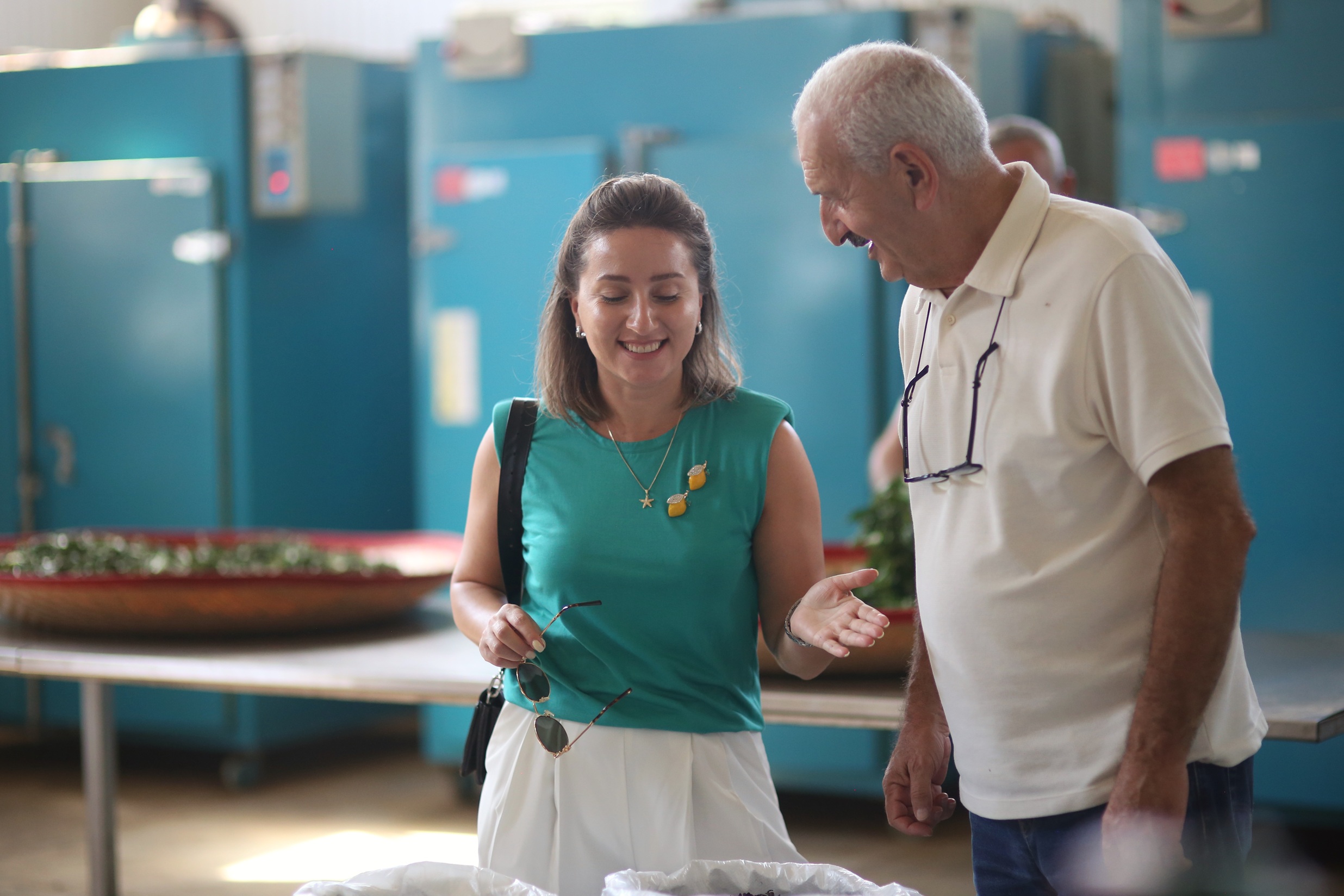
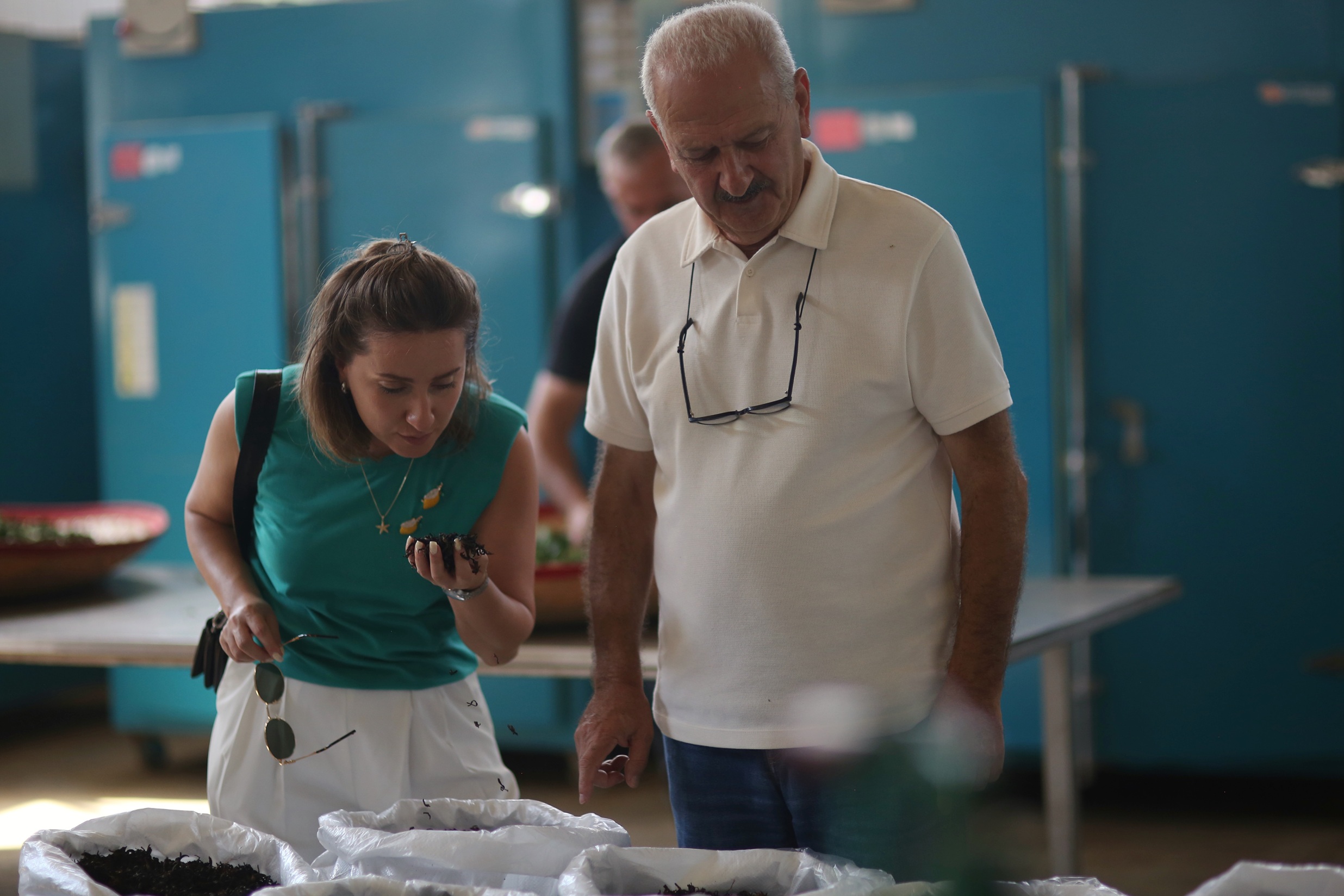
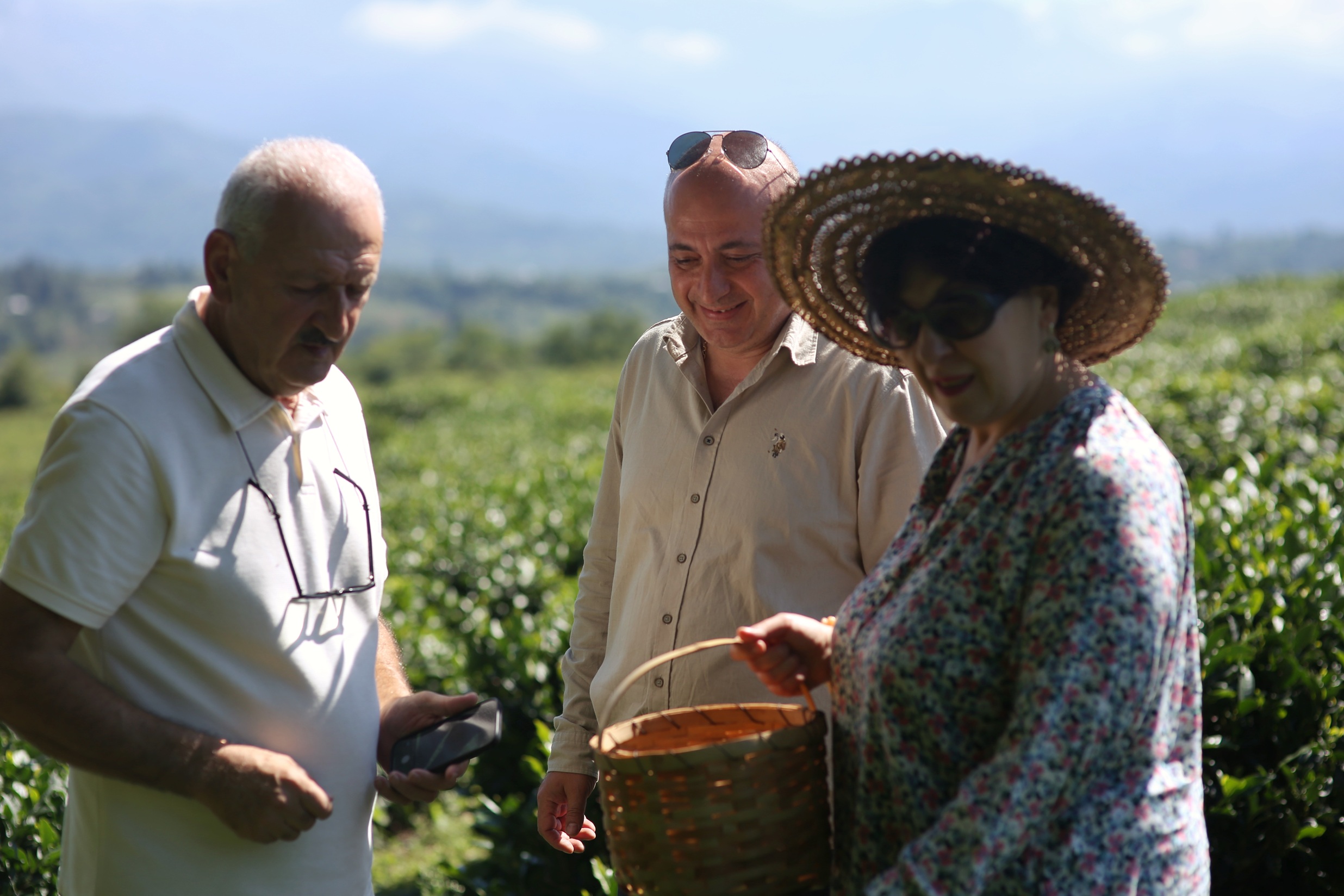
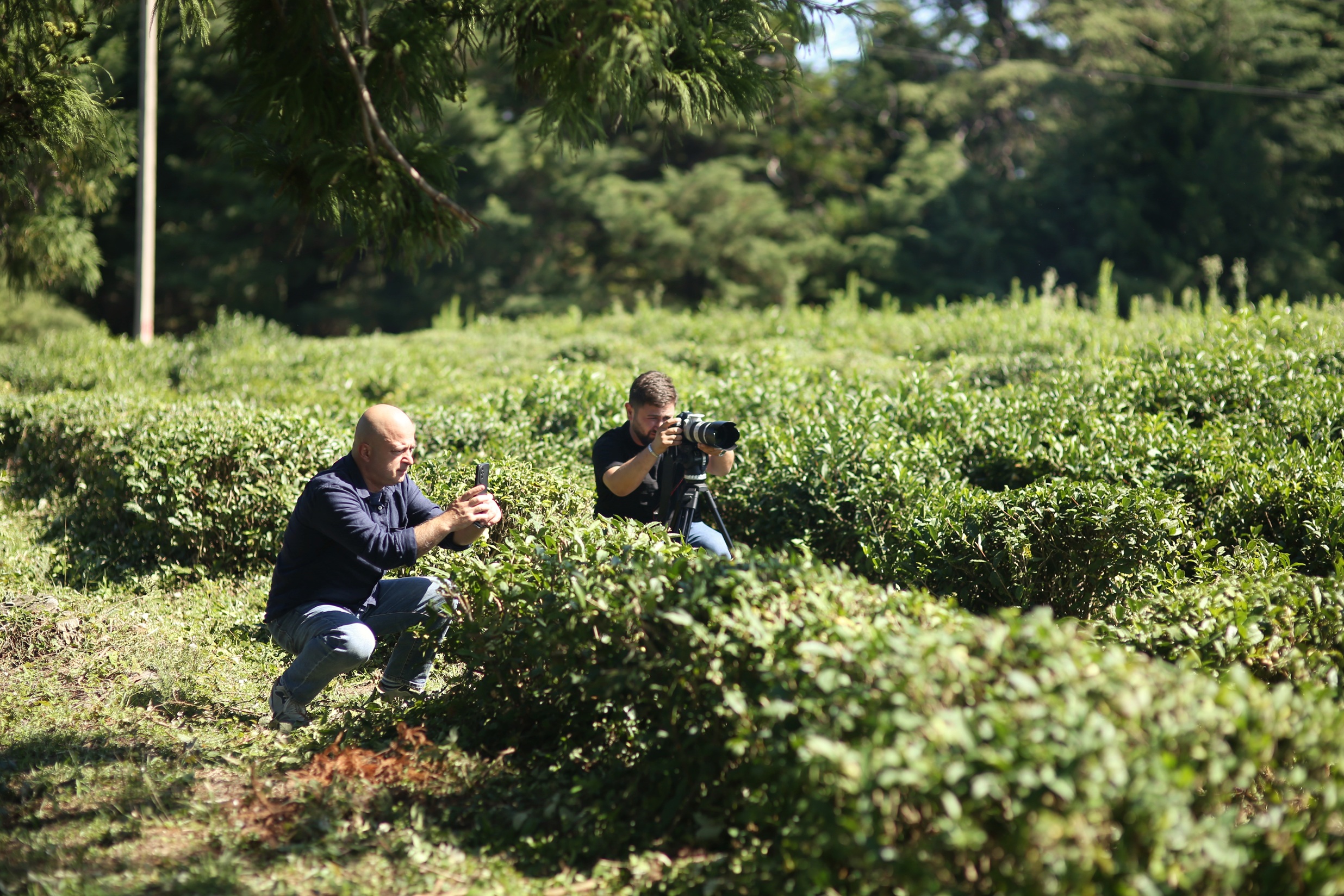
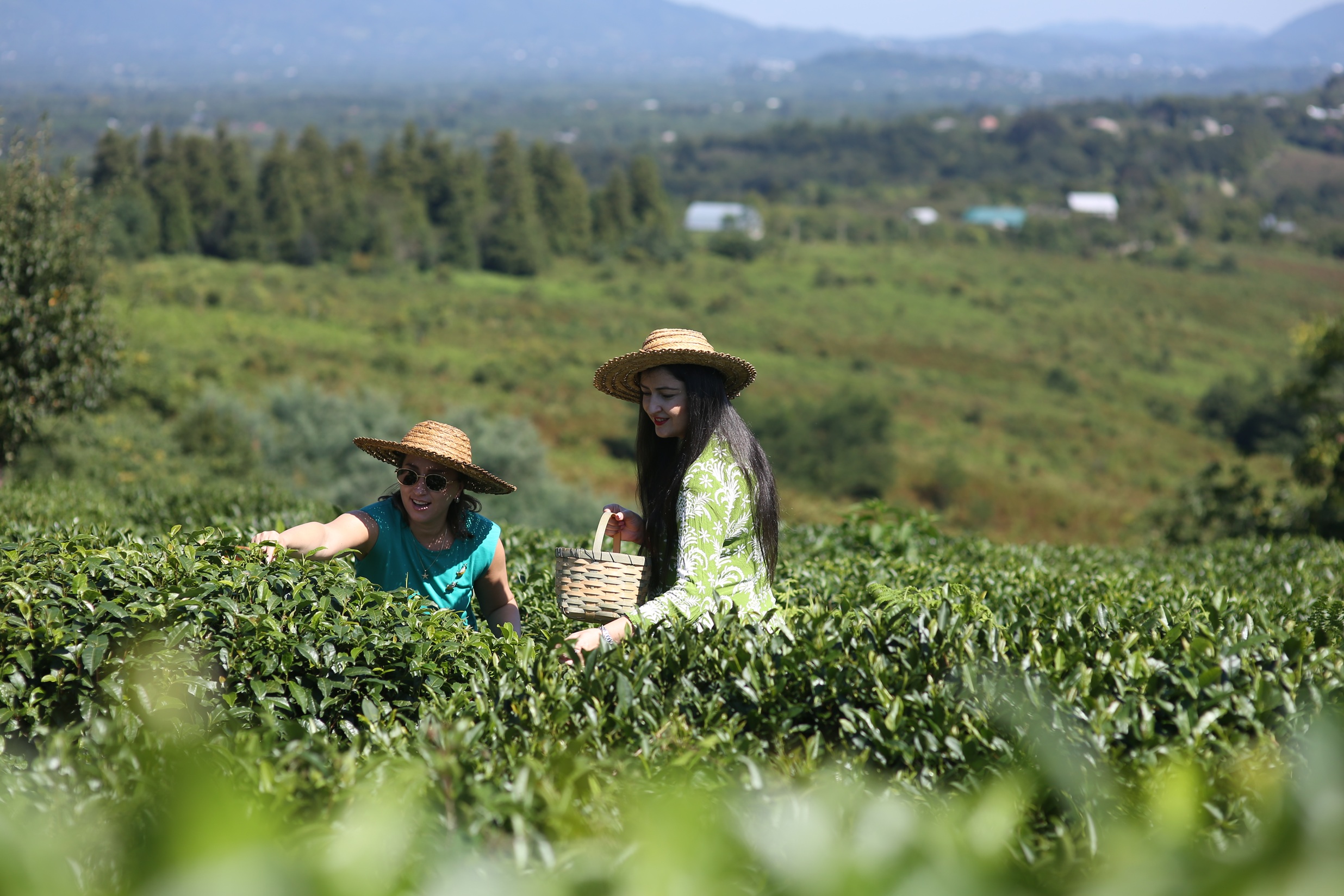
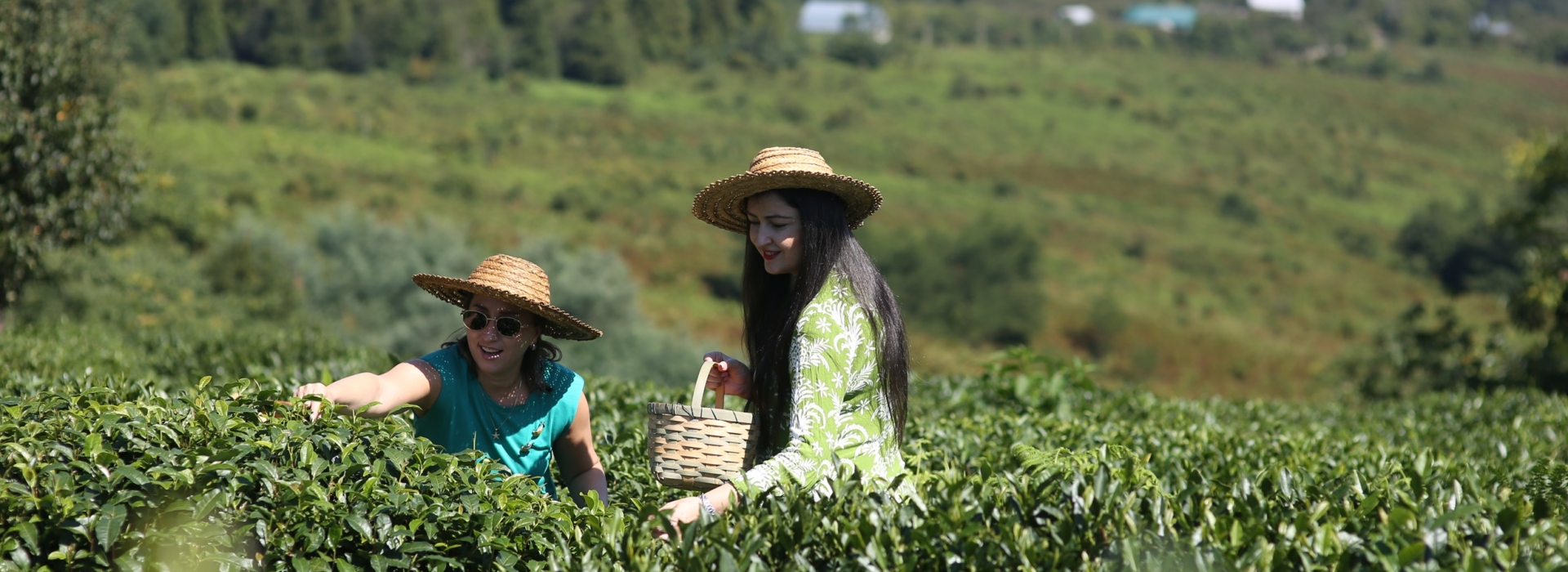
To explore these questions, media representatives visited tea plantations and processing facilities in western Georgia on 12-13 September. The two-day media tour gave journalists an opportunity to learn about Georgia’s tea sector not only through statistics and general information, but also through the first-hand experiences of producers, farmers and tea technologists.
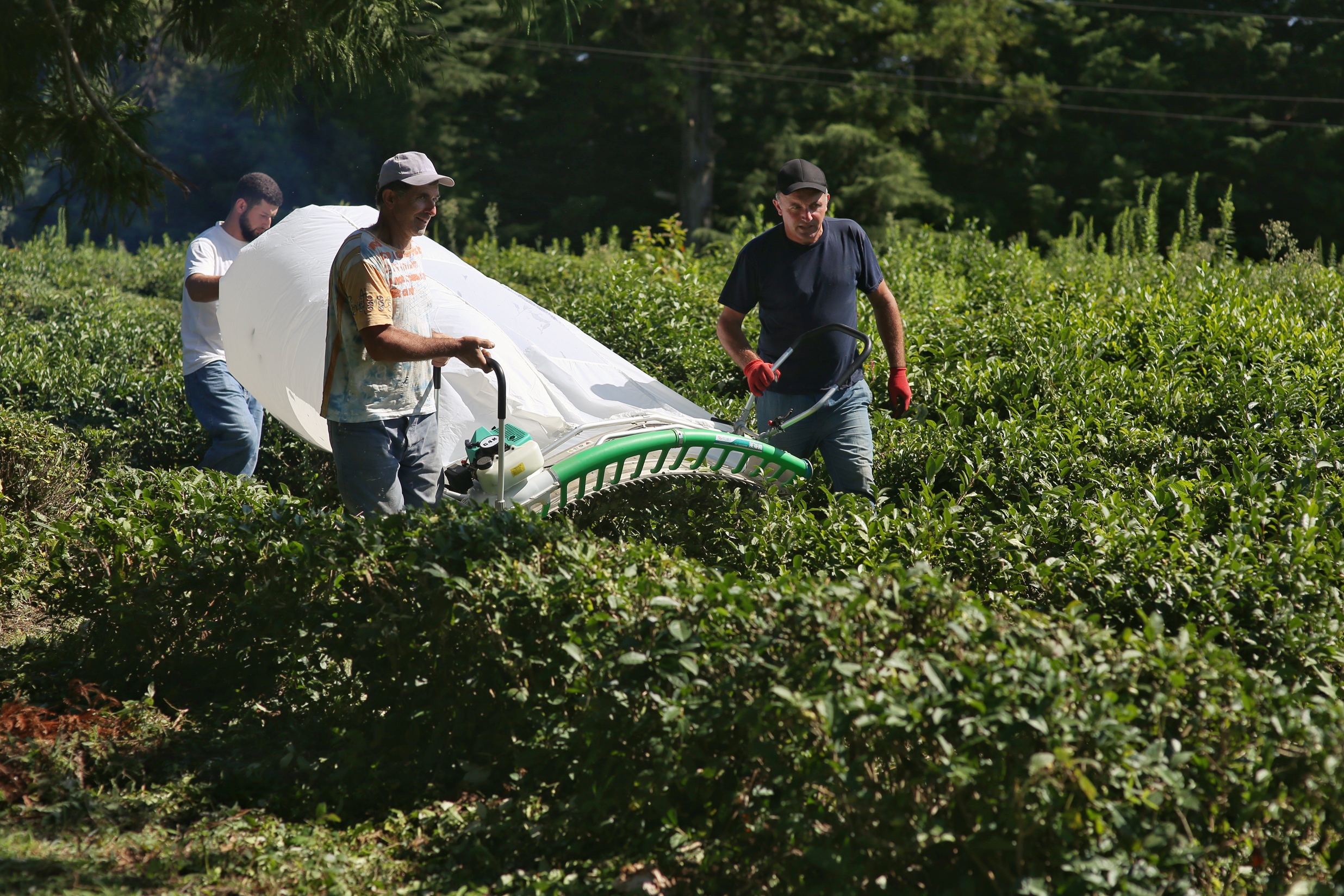
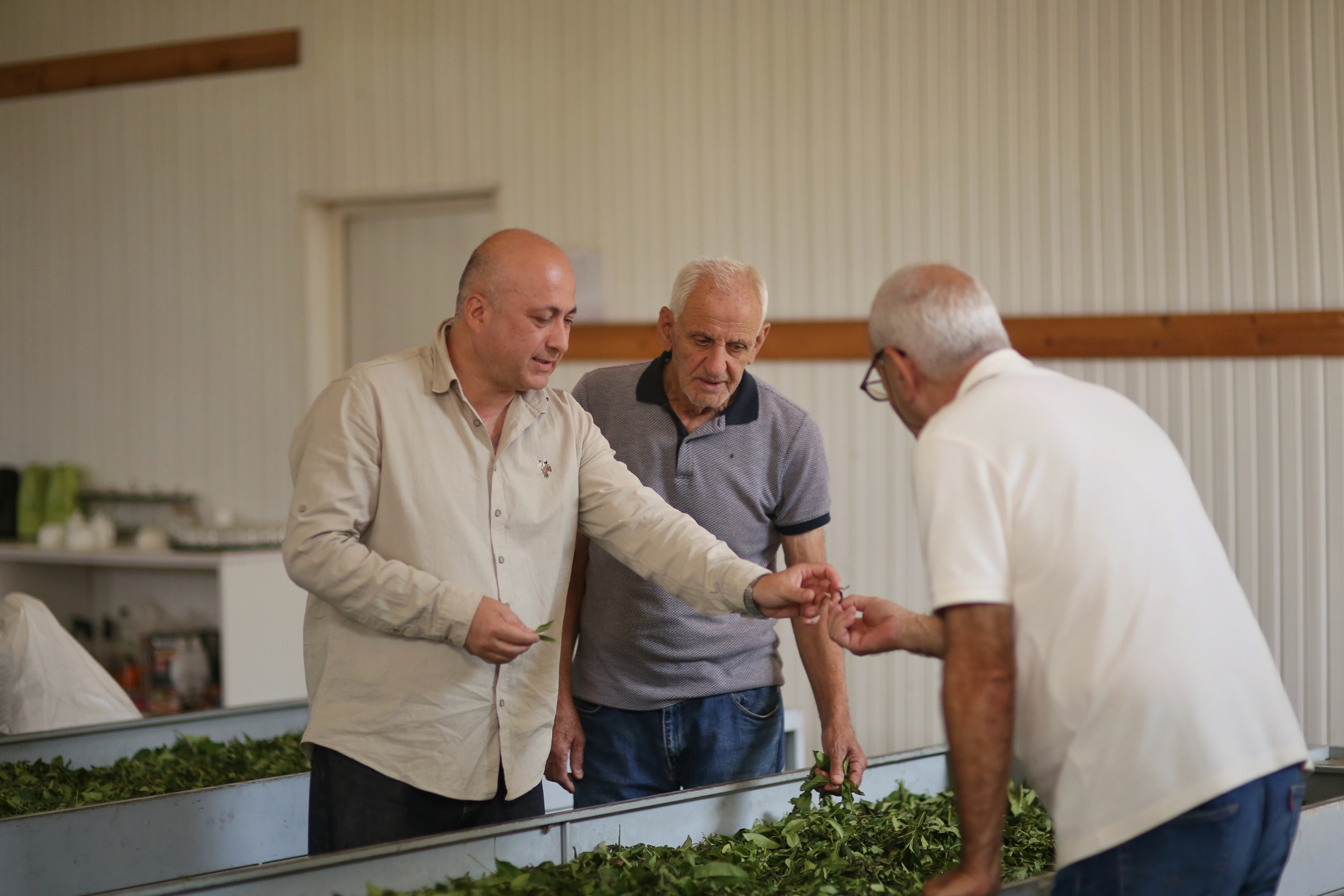
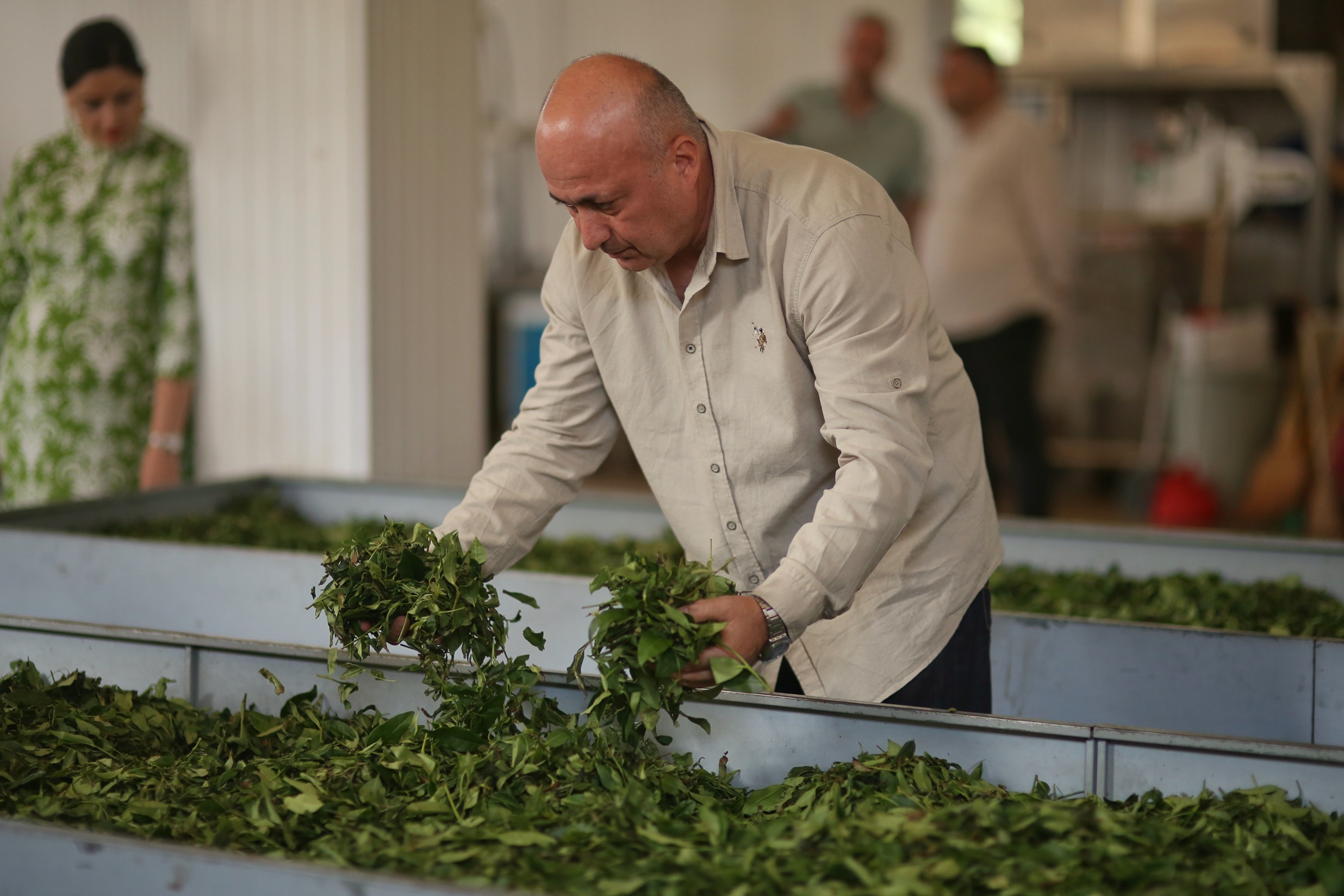
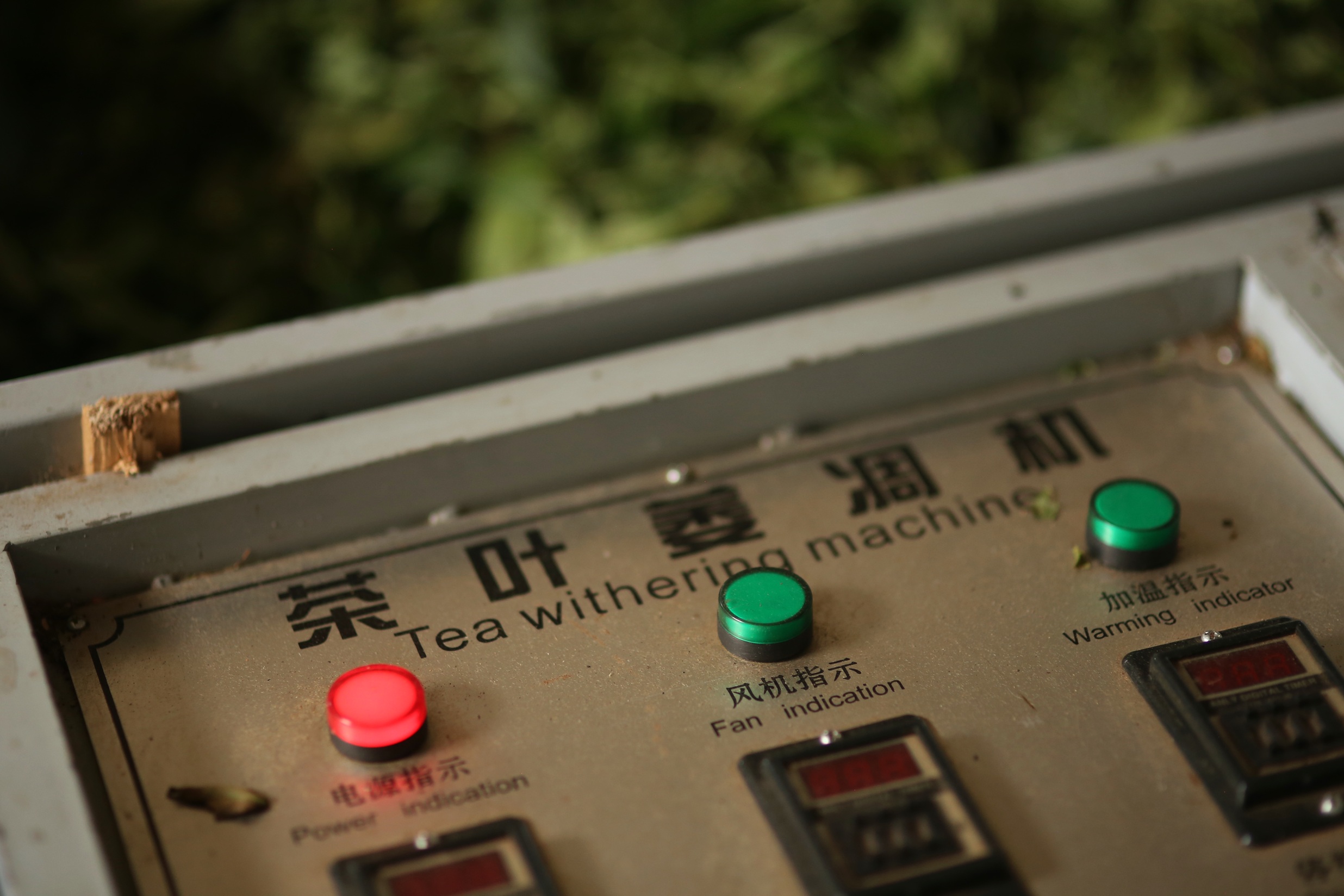
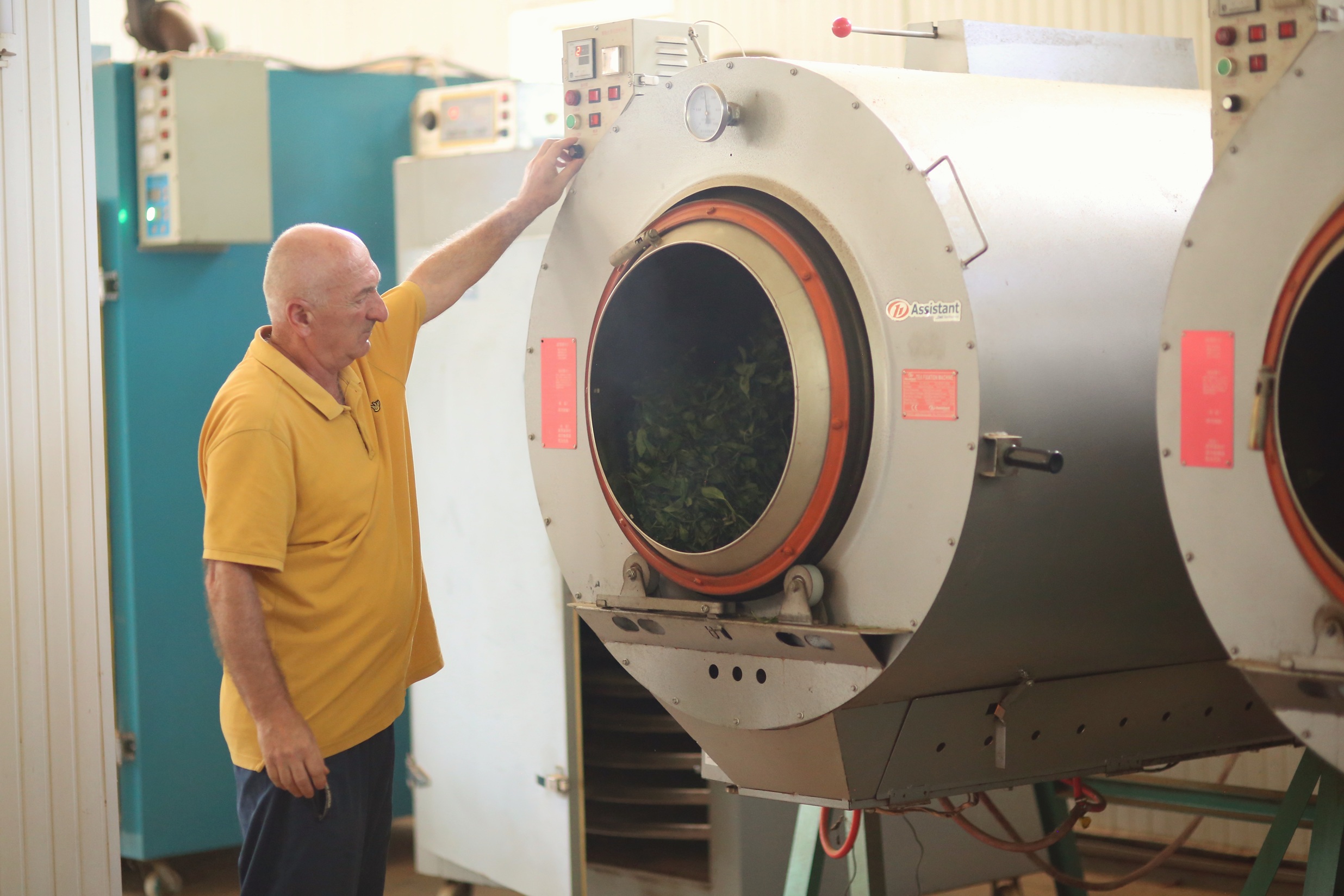
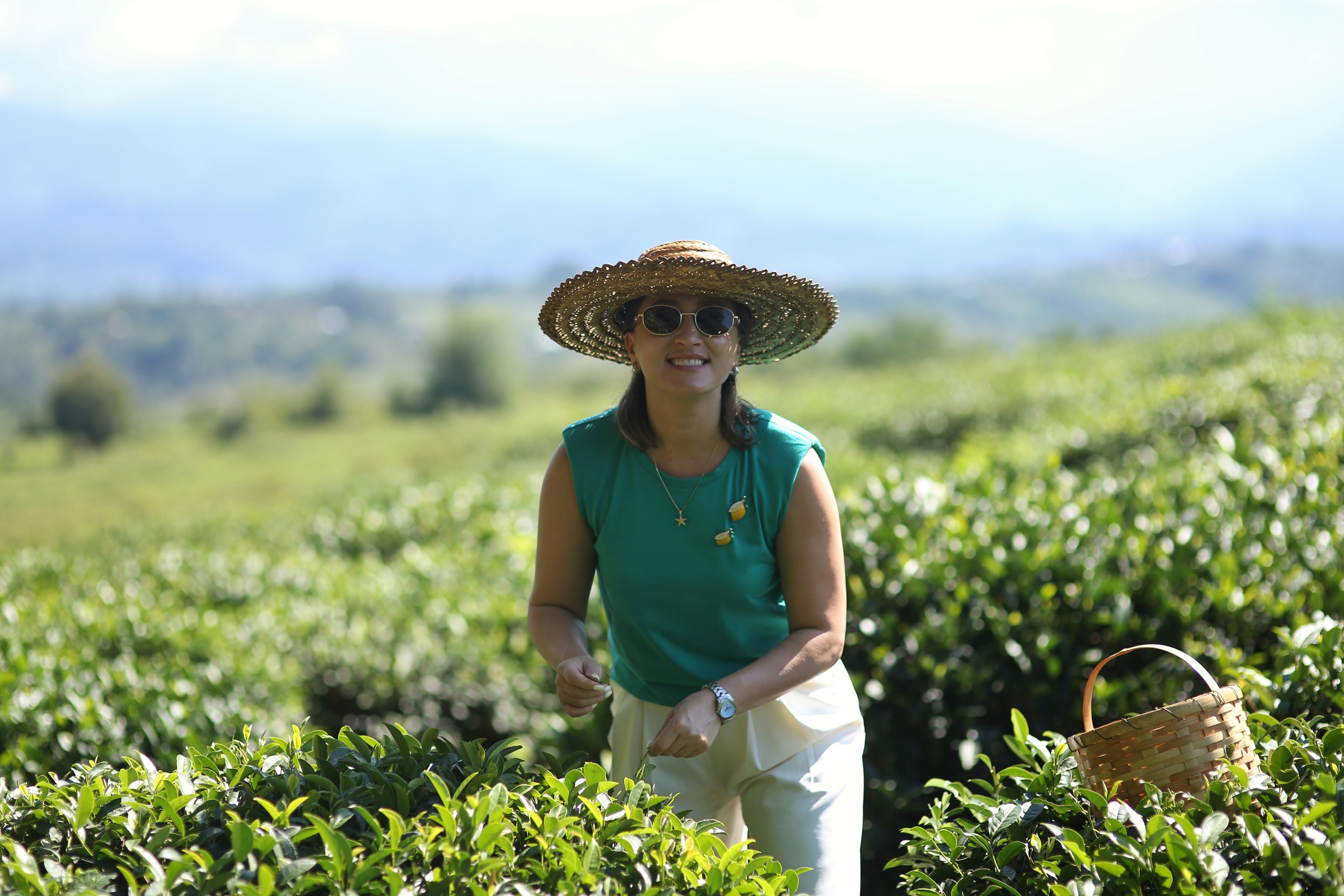
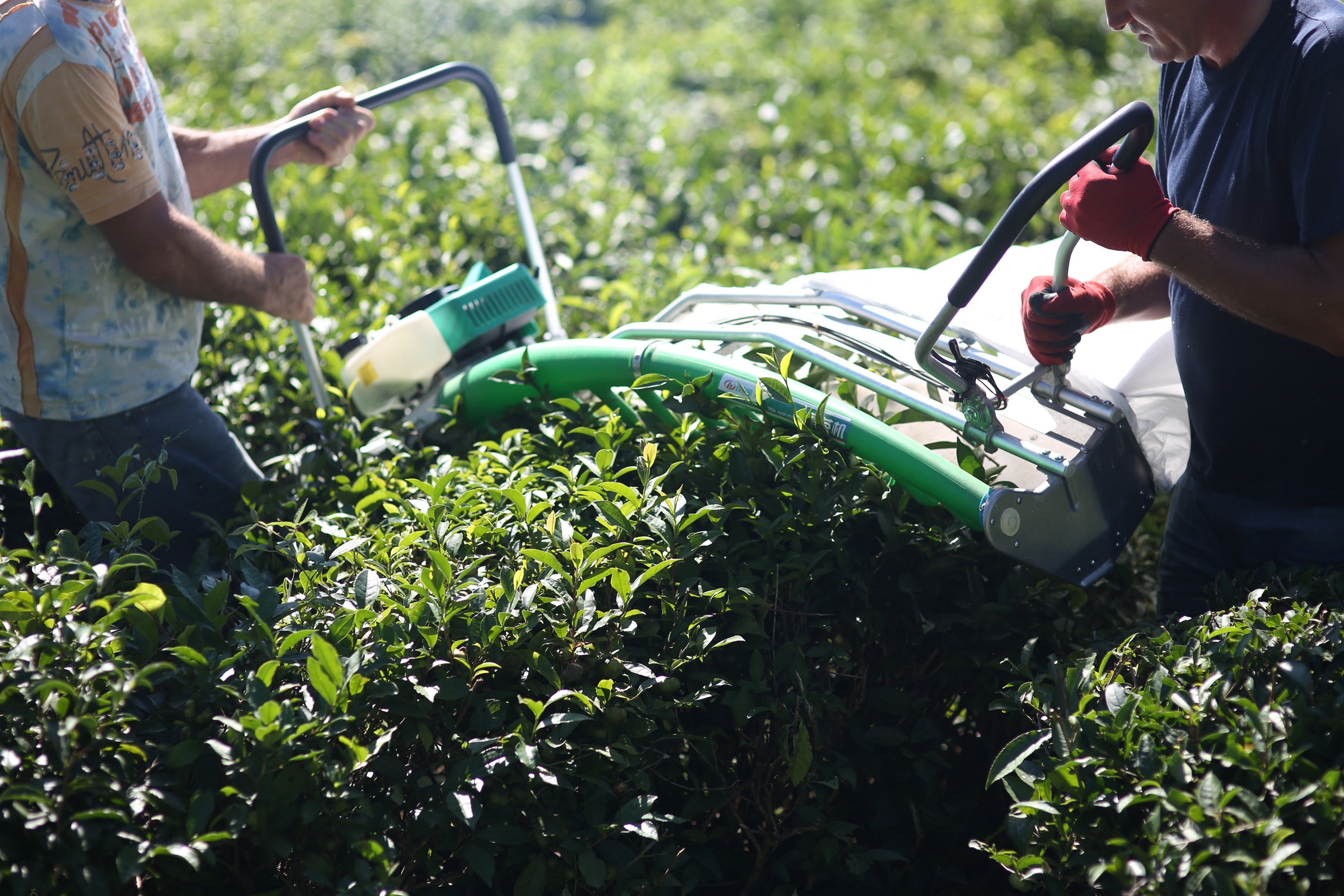
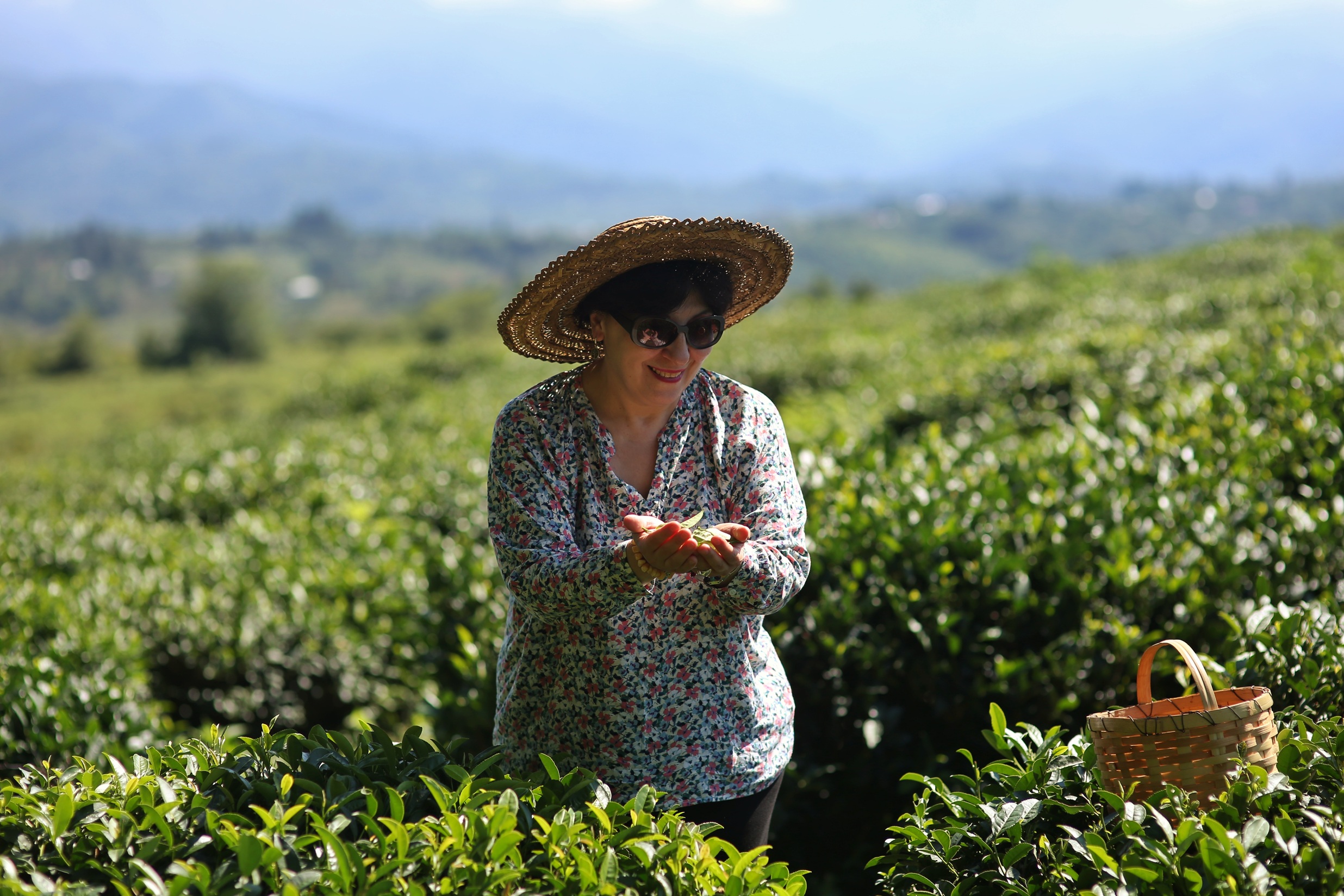
“During the media tour, 12 journalists visited tea processing facilities and plantations in Khoni, Martvili and Ozurgeti. They were able to see for themselves how tea is harvested and processed, and how much work goes into every stage of production. I hope this will contribute to greater awareness and promotion of Georgian tea in the future,” said Giorgi Maisuradze, Director of the tea producers’ organisation Georgia – Tea Republic.
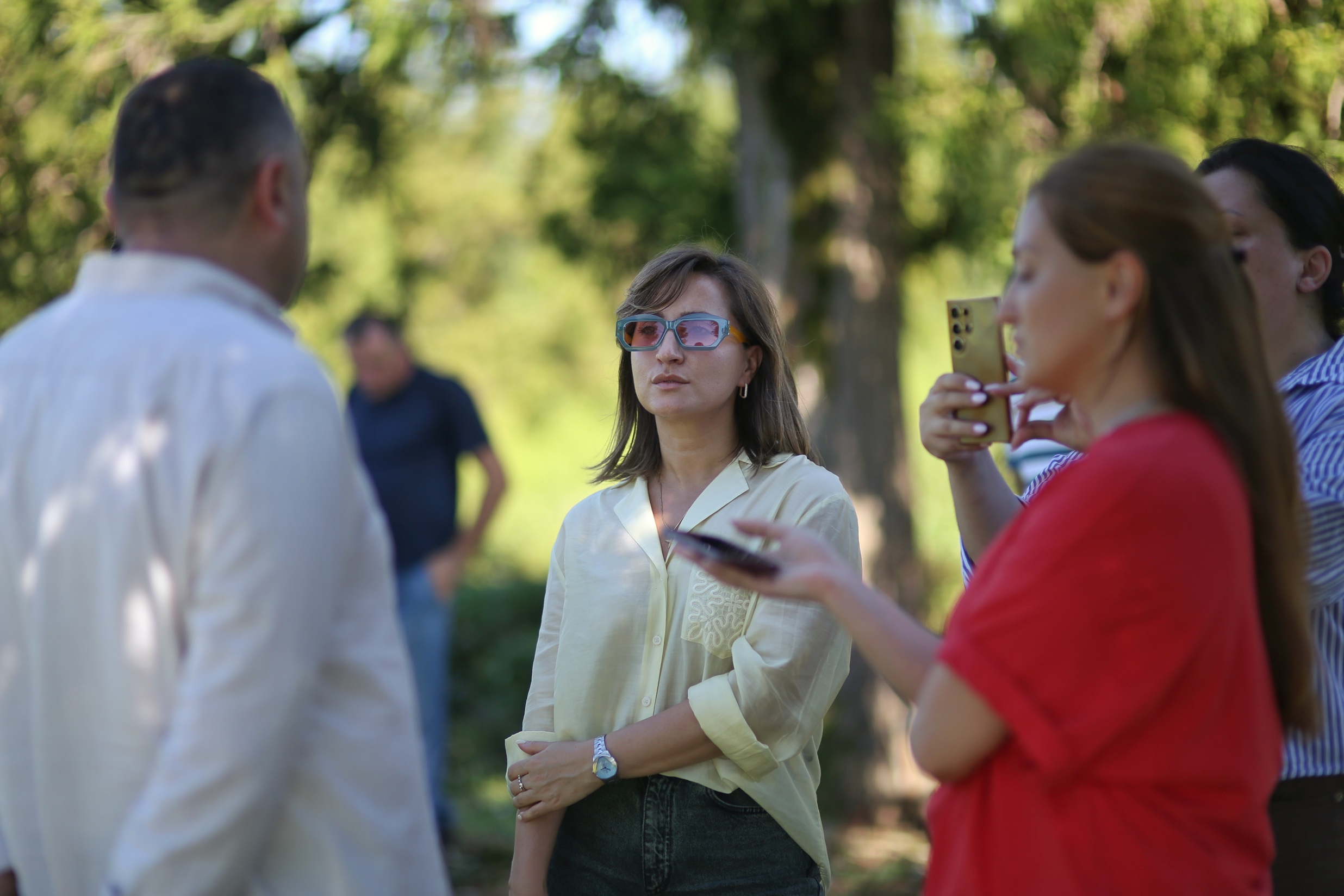
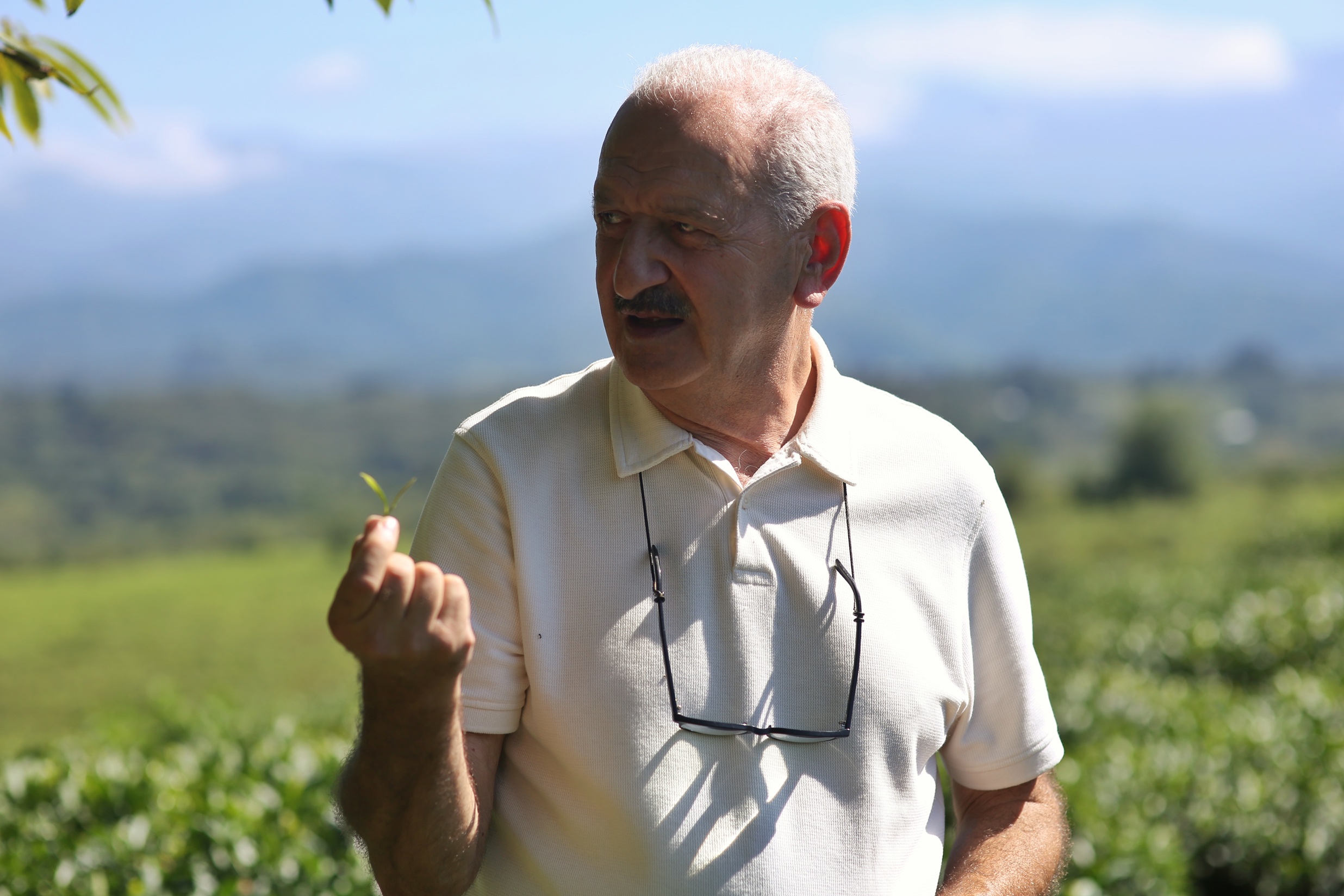
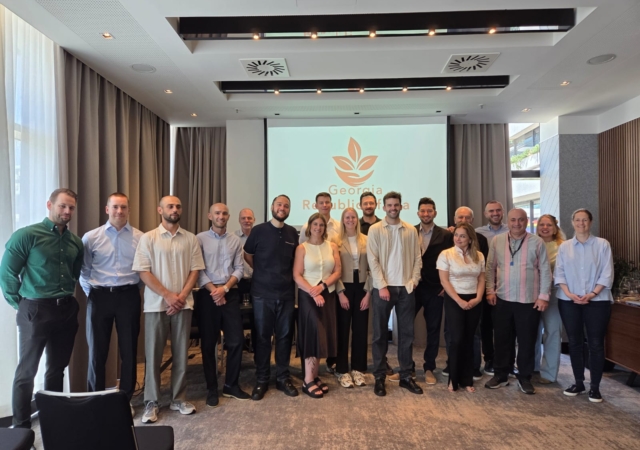
One of the objectives of the media tour was to introduce journalists to the work of the tea producers’ organisation Georgia – Tea Republic. Members of the organisation shared their perspectives on the sector’s key challenges, discussed the reasons behind the establishment of the association, the importance of cooperation among producers, and the opportunities for the further development of Georgian tea.
In recent years, Georgia’s tea sector has made significant progress in rehabilitating plantations, upgrading production infrastructure and improving product quality. However, as production grows, several challenges remain that go beyond the capacity of individual producers. These include access to markets, meeting the quality standards and specifications of international markets, the development of sales channels, stronger product positioning and improved coordination among sector stakeholders.
It was in response to these shared challenges that Georgia – Tea Republic was established. Founded in December 2025, the organisation aims to strengthen cooperation among tea producers, facilitate dialogue around common interests and challenges, and help create an environment that supports the competitiveness of Georgian tea.
Meetings with members of the organisation gave journalists an opportunity to hear directly from the people who work every day in tea production and sector development. Discussions focused not only on the activities of individual enterprises, but also on the broader needs of the sector, including market-related challenges, the importance of cooperation and the opportunities producers see for the future development of Georgian tea.
“Organising this type of information tour is very important. For most of us, it was our first time visiting tea plantations. We learned about the challenges facing the sector and saw that it needs greater support and strengthening. I believe that the establishment of a tea producers’ association is an important step forward in this direction,” said journalist Ana Marshania.
The importance of the media tour goes beyond simply increasing awareness of Georgian tea. Direct communication between producers and the media creates opportunities for the voices of entrepreneurs themselves – their experiences, needs and perspectives – to be better reflected in public discussions about the sector.
At the same time, a better-informed media can help ensure that communication about Georgian tea goes beyond product promotion alone, allowing the public to better understand the people, cooperation and collective efforts that underpin the sector’s development.
The media tour was organised within the framework of the Local Economic Development Project (LEDP). LEDP is funded by the Swiss Agency for Development and Cooperation (SDC) and implemented by the HELVETAS Swiss Intercooperation.