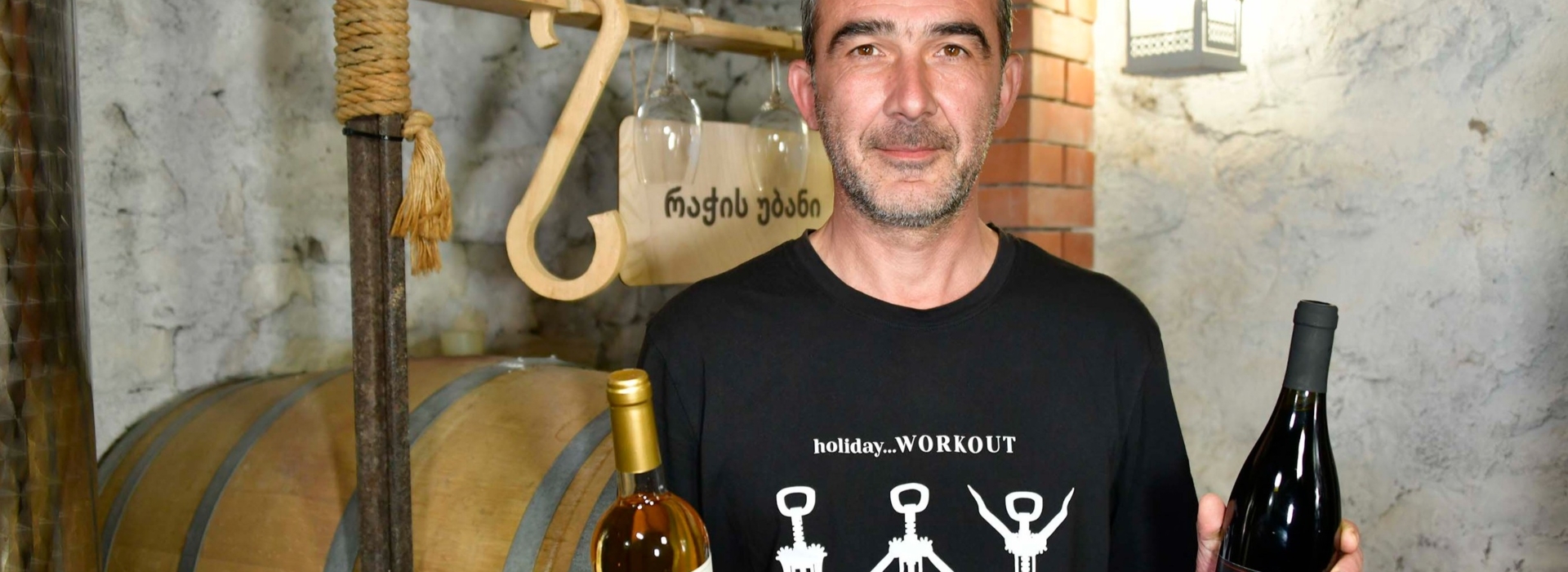


In Kvemo Kartli viticulture and winemaking have been part of local tradition for decades. After the dissolution of the Soviet Union, wine production declined significantly and it took decades for both traditions to be revitalized. Despite ongoing growth and development, producers lack of modern practices that will enable them to access markets. Knowledge gaps remain clear across vineyard management and the technological stages of winemaking. As a result, many small entrepreneurs struggle to maintain consistent quality, limiting their ability to compete and grow their income.
The situation is made even more challenging by the fact that practical advisory services have been almost nonexistent in the region. Local winemakers and grape growers often had to sporadically and chaotically search for information on their own. This meant that many small producers were unable to fully use the potential of their vineyards.
Nikoloz Iremashvili was one of them. A grape grower from Bolnisi, he has been producing wine and tending his own vineyard for seven years. He recalls that his love for the vine began in childhood:
“My grandfather was the first to put me in the winepress, I must have been around eleven. I used to help during the harvest too,” Nikoloz says.
Nikoloz began his work with a small vineyard and cellar he inherited from his family. With support from his wife and two sons, he manages everything from pruning, spraying and processing the harvest. Over the years, he expanded the vineyard, planted new grape varieties and gradually developed his winemaking skills – learning through experimentation, mistakes, and advice from friends and neighbours.
“All I knew was how to pick grapes. I didn’t even have basic knowledge. I was doing many things instinctively, and it was hard to maintain stable quality. A vineyard requires special care. Good grapes come from a well-tended vine, healthy grapes are essential for good wine. When I started facing difficulties, I decided to study this field properly.” he says.
Like Nikoloz, many grape growers in Kvemo Kartli struggle with vineyard care, disease management and winemaking processes. Across the region, the lack of knowledge and practical experience is strongly felt.
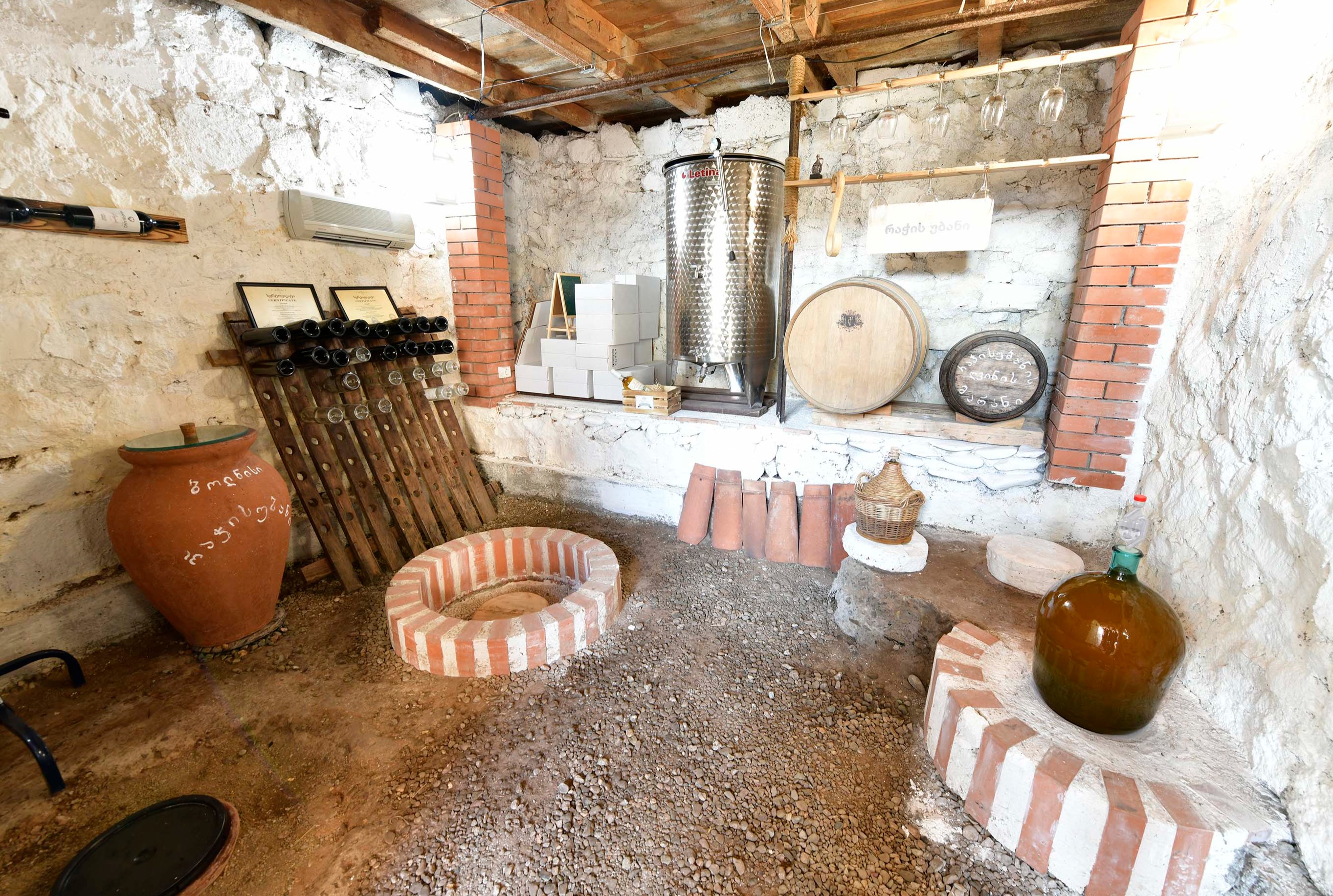
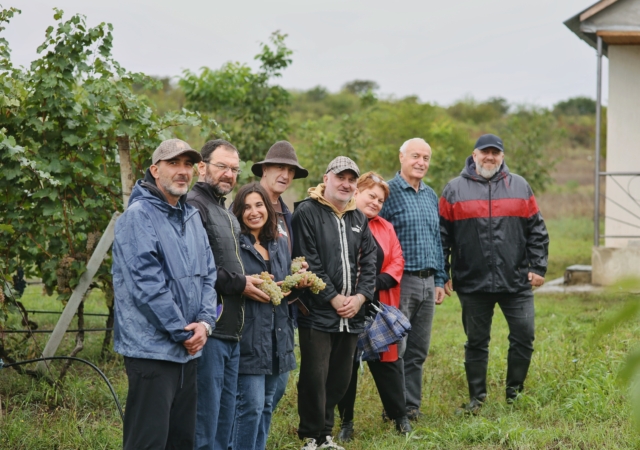
To address these challenges, the Local Economic Development Project (LEDP), implemented by Helvetas, aims at strengthening agricultural advisory services in Kvemo Kartli. A key partner in this effort is the Bolnisi Agro Center, which plays a central role in supporting the region’s wine sector. The Center currently provides technical assistance mainly in bottling and the cleaning of barrels and traditional qvevri. Advisory services are delivered by a single specialist and are largely limited to hygiene standards in winemaking facilities.
In order to expand advisory services, with the project’s support, the Agro Center selected local winemakers and facilitated theoretical and practical training in viticulture and winemaking through a 6-month capacity building programme through the Center.
Nikoloz is now one of these 9 winemakers with increased knowledge who will act as part-time local consultants under the Center. He started from his own challenges and today he knows exactly how to manage vineyards and improve the winemaking processes and can provide advice to fellow growers across in his neighbourhood and the region.
“Viticulture is developing fast, and vineyard management approaches are changing. Many young people are planting vineyards now, which is wonderful, but they need knowledge. A vine requires regular inspection. That’s why having trained consultants in the region is so important. I’m happy to share my knowledge with anyone interested in this field,” he says.
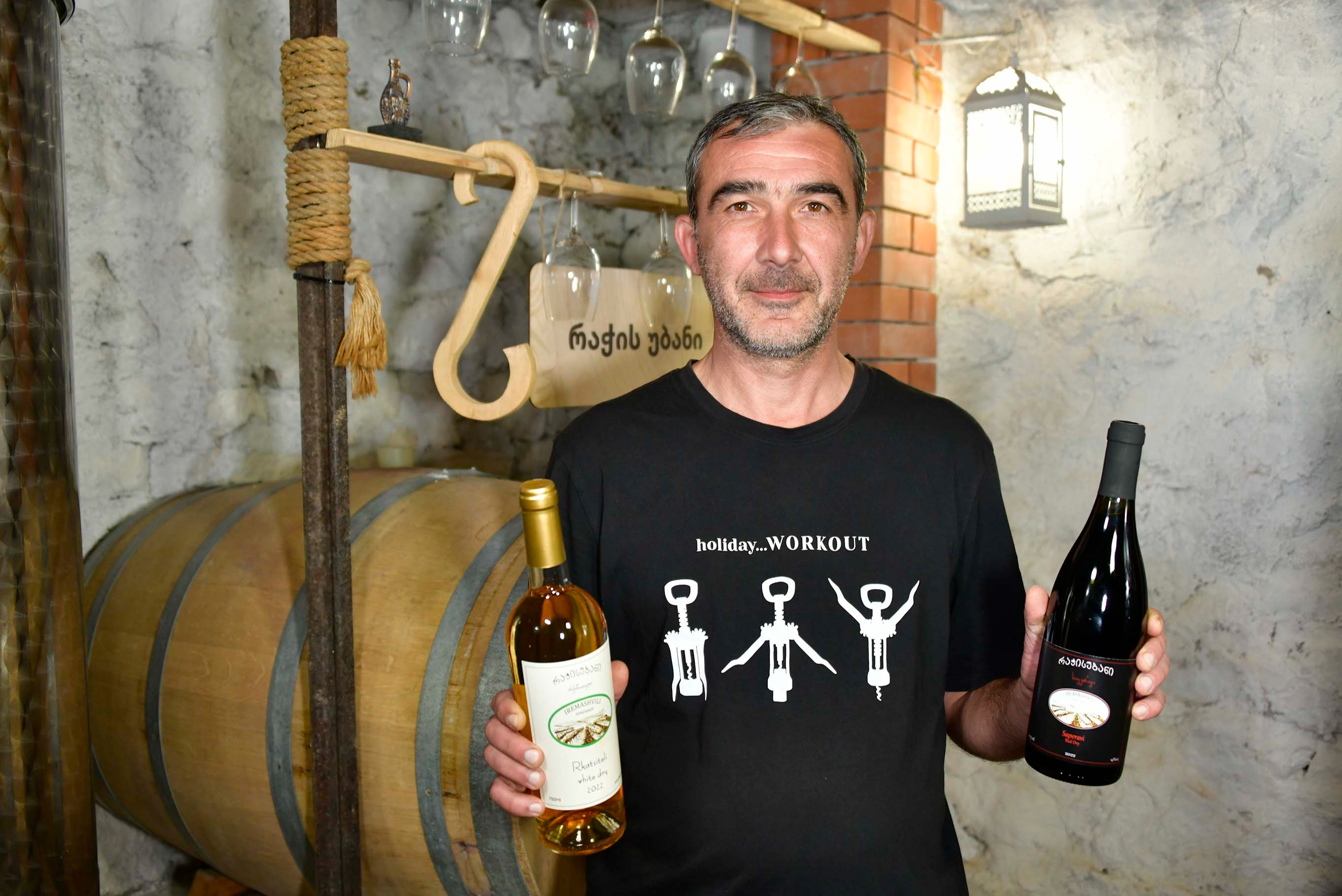
The capacity building programme covered the main components of viticulture and winemaking: pruning and vine formation, pests and diseases common in the region, winemaking technologies, fermentation control, hygiene standards and storing practices. Practical sessions in vineyards and small cellars equipped participants with hands-on skills that help them improve their own production and support others.
According to the National Wine Agency’s 2023 data, 755 grape growers are registered across three municipalities in Kvemo Kartli – Bolnisi, Tetritskaro, and Marneuli. Most manage both their vineyards and wine production independently. In this reality, the role of capacitated local consultants, including Nikoloz, is crucial: their knowledge and practical experience directly support hundreds of growers in their daily work, in adopting new practices, and in improving quality and standards.
Mandated by the Swiss Agency for Development and Cooperation (SDC), Helvetas has worked over the past two years with winemakers in Kvemo Kartli to strengthen the region’s winemaking sector. Early on, it became clear that local consultants, many closely connected to their communities, could play a key role in supporting small producers. By investing in their skills, the project is doing more than offering training. It is giving small producers the confidence to enter commercial markets and build more secure livelihoods. In this way, each trained consultant becomes a driver of local change.
“For the SDC, strengthening local economies by building the knowledge that helps small entrepreneurs grow and compete in national and international markets is a key priority. It is important to us that winemakers are able to make informed, knowledge-based decisions.” said Barbara Böni, Regional Director of the Swiss Cooperation Office for the South Caucasus.
With SDC’s continued support, Helvetas will keep advancing knowledge sharing, empowering local producers, and strengthening organisations that will create a more competitive and resilient economic future for Kvemo Kartli.
The LEDP is implemented by Helvetas Swiss Intercooperation and funded by the Swiss Agency for Development and Cooperation (SDC). The project supports municipal cooperation, the development of economic opportunities, and the enhancement of the private sector.