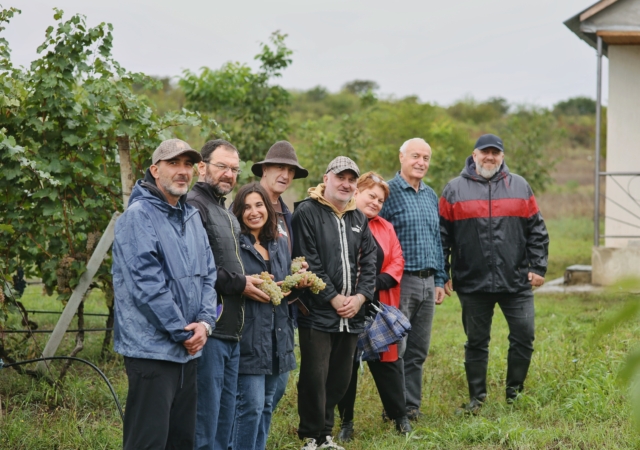


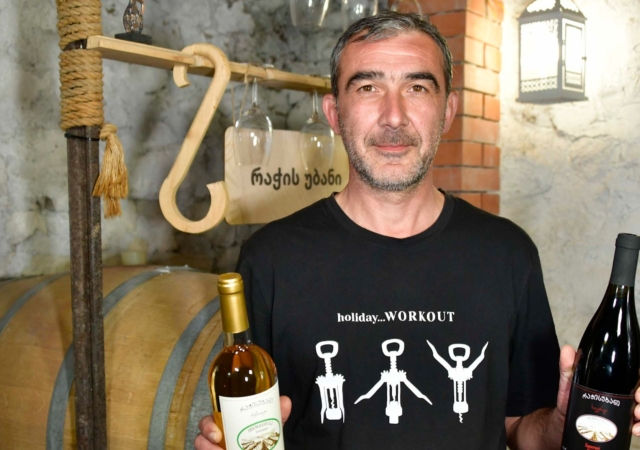
Kvemo Kartli has a long history of winemaking, influenced by both Georgian and European traditions. Several municipalities – Tetritskaro, Bolnisi, and Marneuli – are known for their unique wine production.
In the late 19th century, Swabian-German settlers played a key role in developing the region’s winemaking. They introduced European techniques and combined them with local methods, creating a distinctive wine style that remains popular today.
The wines of Bolnisi and Tetritskaro gained official recognition due to their Protected Designation of Origin (PDO) status. Bolnisi wine received this designation in 2019, followed by Tetritskaro’s Asureti microzone in 2022. This status ensures quality by setting standards for grape composition, taste, and production processes.
As of 2023, Bolnisi and Tetritskaro have 755 registered vineyard owners, making up 50% of the region’s total growers. The vineyard areas cover 590 hectares in Bolnisi, 116 hectares in Tetritskaro, and 304 hectares in Marneuli, showing the region’s potential to become a major wine hub.
Challenges Facing the Wine Sector
Despite its growing potential, the winemaking sector in Kvemo Kartli faces significant challenges. Since 2024, the Local Economic Development Project (LEDP) has been actively working in Bolnisi, Marneuli and Tetritskaro to identify sectoral gaps. Through the involvement of technical consultants, the project has examined the knowledge levels in vineyard management, winemaking, and market distribution, assessing how the private sector can address existing challenges. Key findings include:
- Non-standard vineyard cultivation methods hinder the use of modern machinery, limiting cost reduction and efficiency improvements.
- Inadequate harvest planning and lack of laboratory analysis negatively impact grape quality.
- Limited access to technical consultations forces many winemakers to rely solely on personal experience.
- Weak coordination in wine promotion within the local market prevents the sector from reaching its full potential.
While Kvemo Kartli’s wine sector holds immense promise, unlocking its full potential requires coordinated collaboration between local entrepreneurs, municipalities, and international partners. Such efforts can serve as a critical factor in strengthening the regional wine industry.
Project Vision and Support Mechanisms
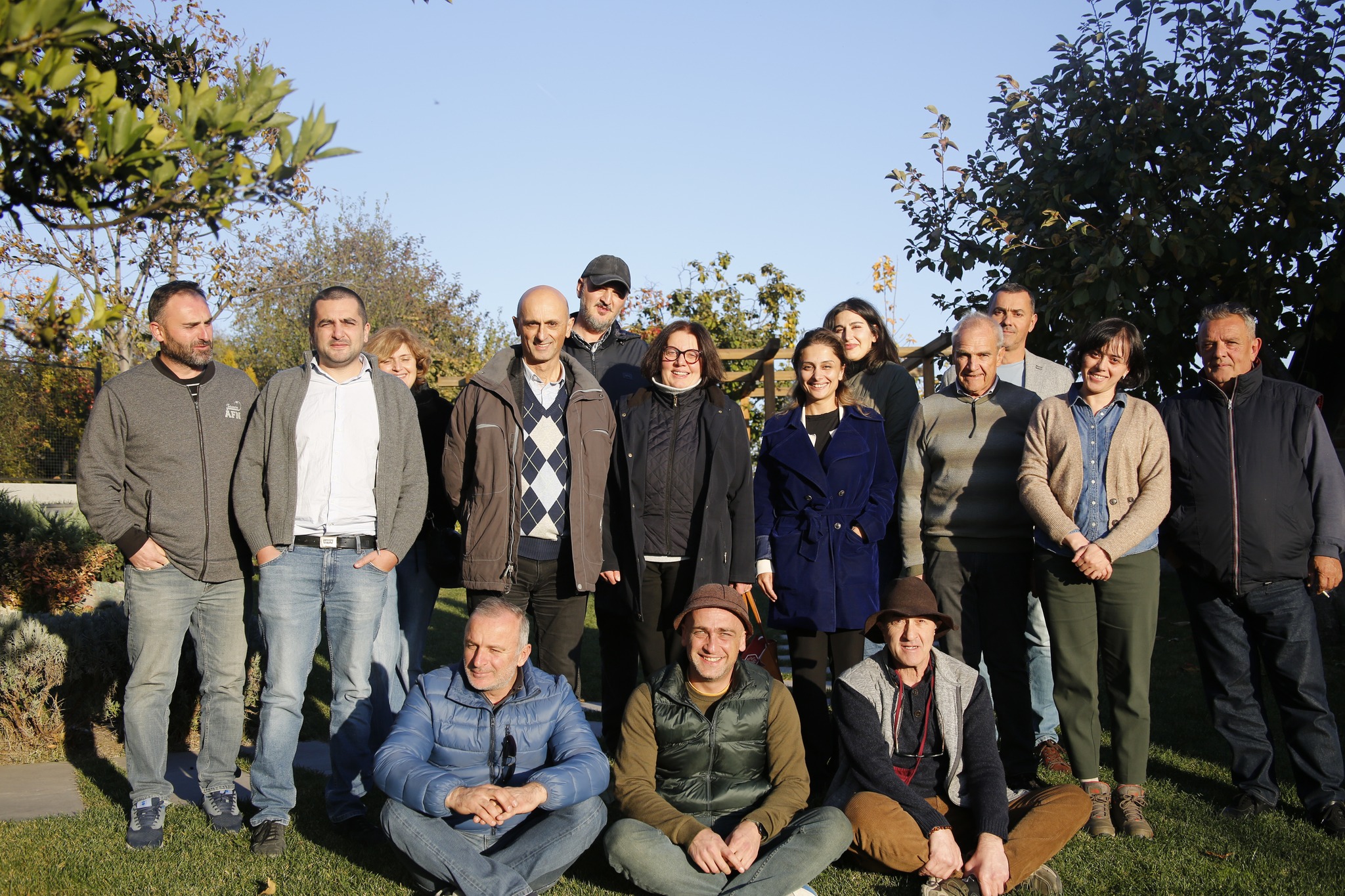
The project aims to enhance the winemaking sector through a strategic approach that offers local entrepreneurs sustainable development opportunities. One of the key initiatives involves collaboration with business associations – Bolnisi Wine Association and Asureti Regional Development Center – which are actively engaged in protecting PDO status, promoting products, and expanding market access. The project will support initiatives that enhance the visibility and competitiveness of local wines.
Providing technical assistance to winemakers is another major component. The project will facilitate capacity building of the local consultancy service providers in vineyard management, winemaking operations, and production techniques, improving product quality and optimizing production processes. Additionally, a strong focus will be placed on international market access, particularly in Germany’s Bavarian region, where demand for Georgian wine is growing. The project will assist local entrepreneurs in popularizing Swabian winemaking techniques and establishing connections with German partners. A crucial role in this development will be played by the Bolnisi Agrocenter, which provides ongoing advisory support to local winemakers. By offering continuous consultation, the center will help streamline wine production, making it more structured and efficient. Such coordinated efforts will contribute to the sustainable growth of Kvemo Kartli’s wine sector, ultimately generating employment and strengthening the region’s economic potential.
The project’s initiatives will play a vital role in ensuring economic sustainability and regional development. Close cooperation with local and international partners, knowledge-sharing, and the adoption of modern technologies will pave the way for new opportunities in the winemaking sector.
The project is funded by the Swiss Agency for Development and Cooperation (SDC) and implemented by the HELVETAS Swiss Intercooperation and WINS Global Consult consortium.