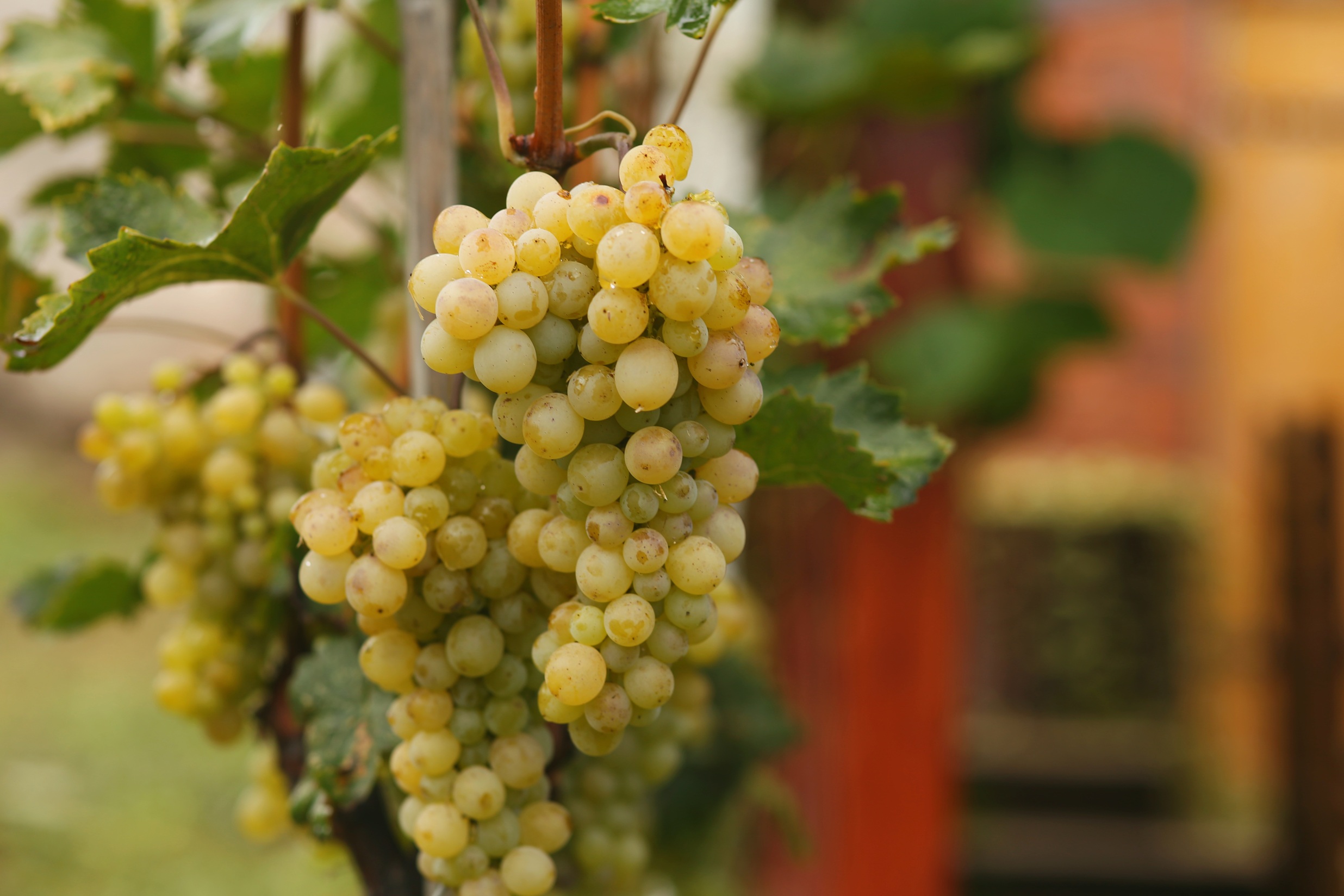


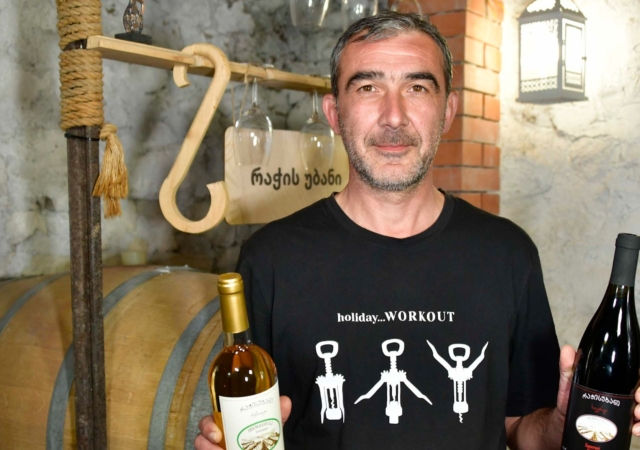
The municipalities of Bolnisi, Tetritskaro, and Marneuli in Kvemo Kartli are today emerging as important centers for the development of viticulture and winemaking. According to data from the National Wine Agency (2023), 226 unique vine-growers are registered in Bolnisi, 262 in Tetritskaro, and 267 in Marneuli. Altogether, more than 700 vine-growers are active across these three municipalities, most of whom both cultivate vineyards and produce wine.
Thanks to the region’s exceptional natural conditions, the micro-zones of Bolnisi and Tetritskaro have been granted the status of protected designation of origin, enabling local growers to produce niche wines with distinctly unique taste characteristics.
Despite this unique potential, many challenges remain in the viticulture and winemaking process. From vineyard care to wine production and the final product, a lack of knowledge and underdeveloped practices are still often evident.
To address these challenges, the Local Economic Development Project (LEDP) launched an initiative aimed at strengthening local consulting services. Of particular importance is the provision of on-site consulting services from wine technologists for vine-growers and winemakers. For this purpose, local specialists are being trained to provide ongoing consultations. The Bolnisi Agro Center plays a central role in this process, having already operated for several years as a provider of technical and consulting services.
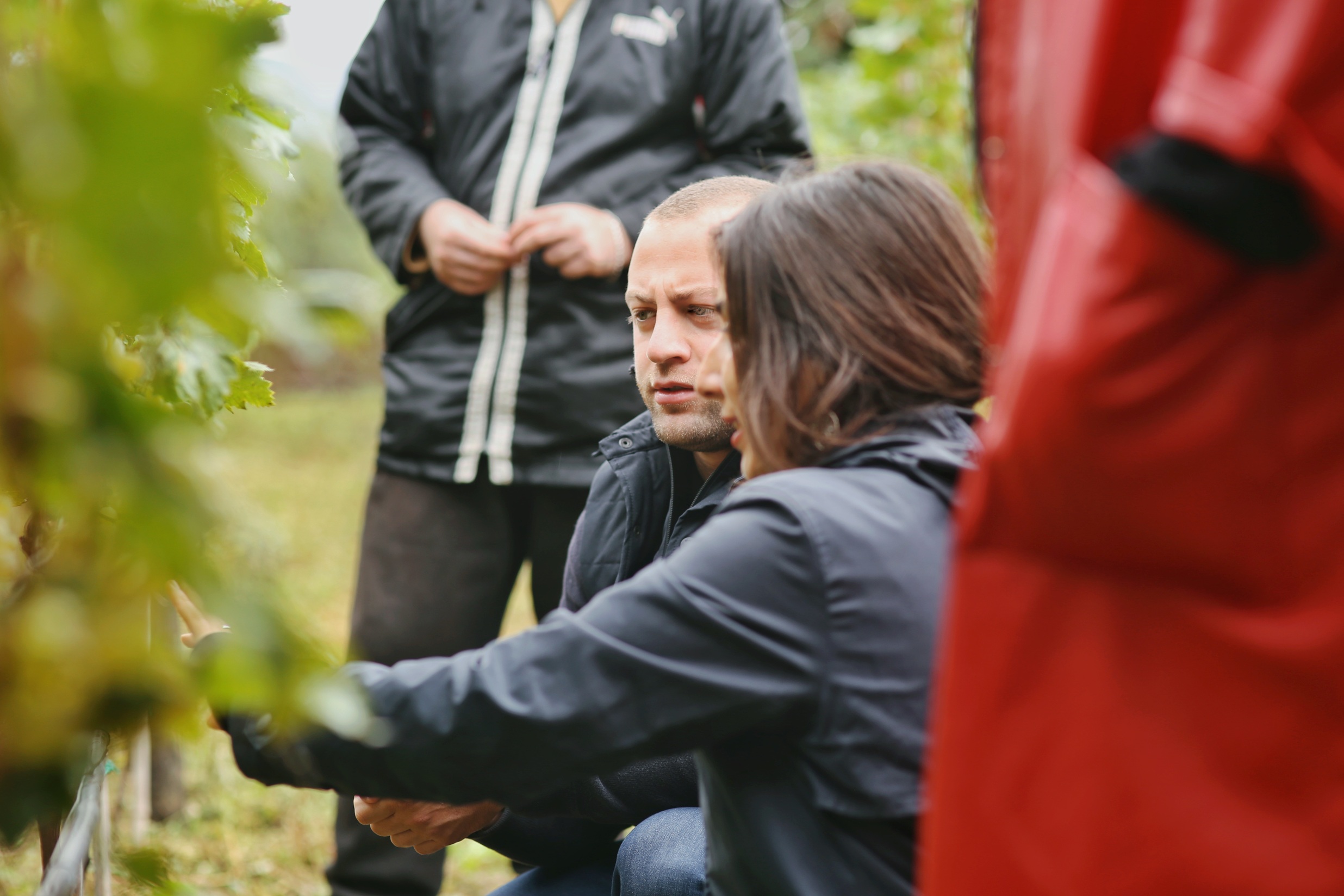
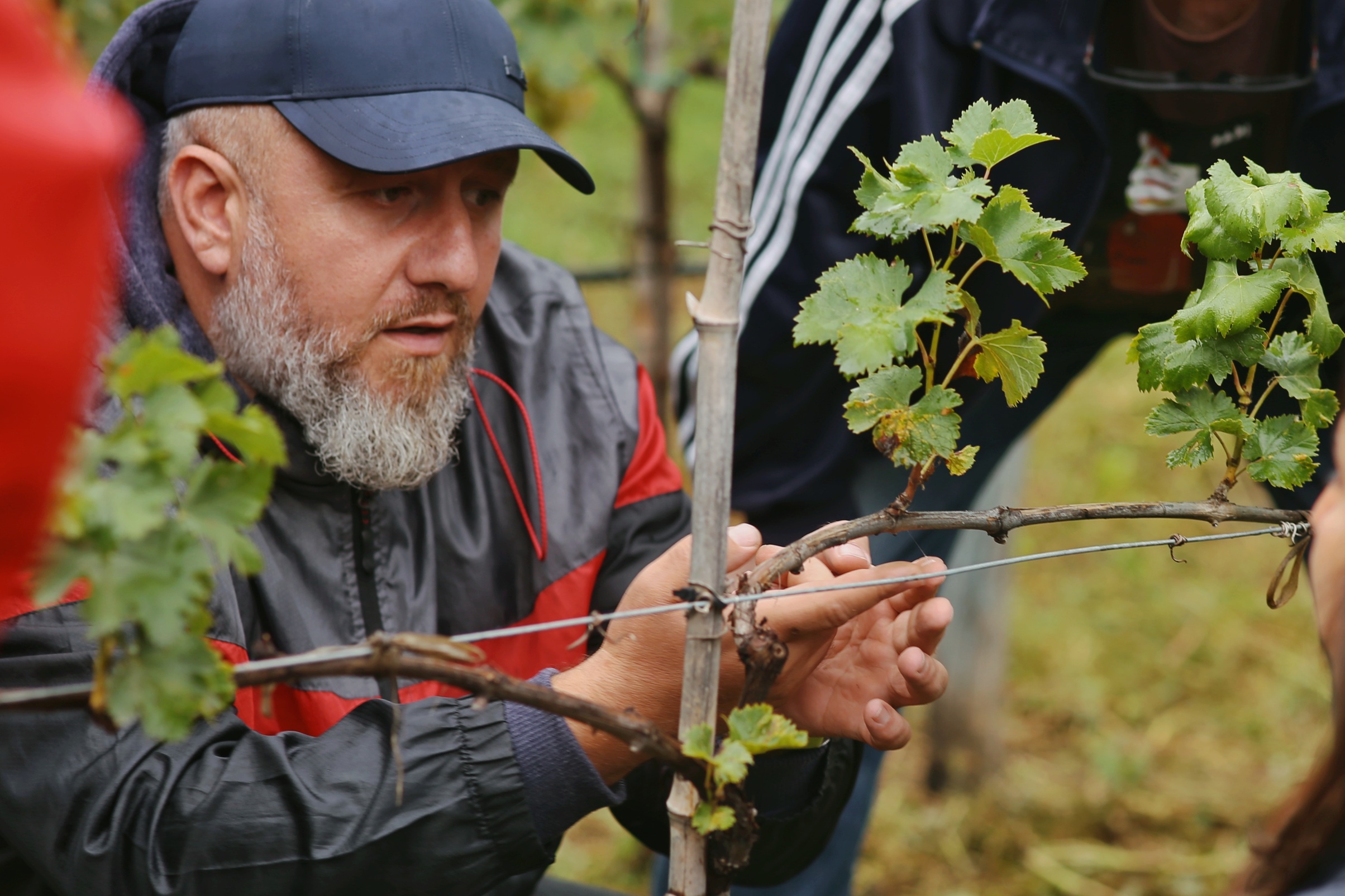
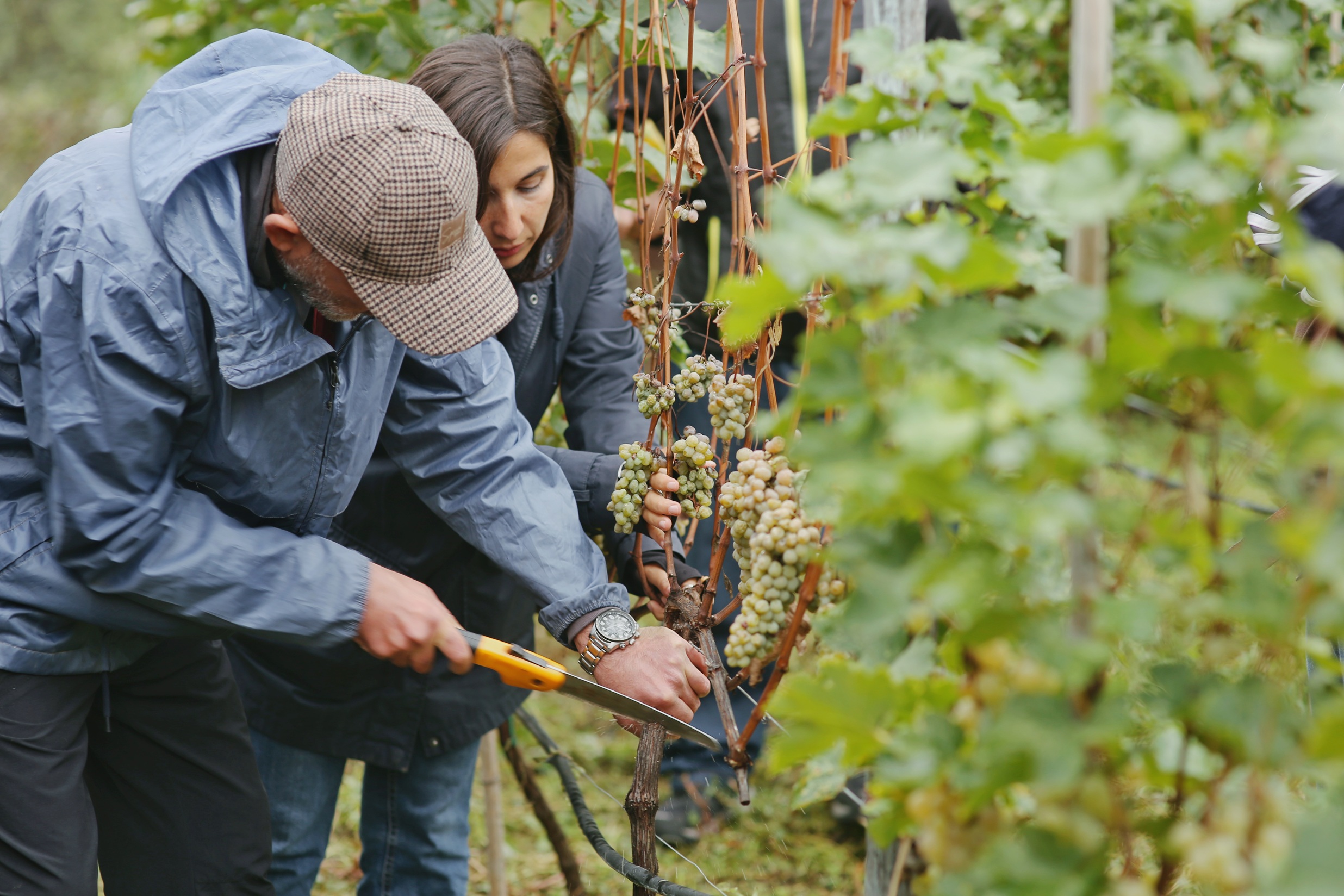
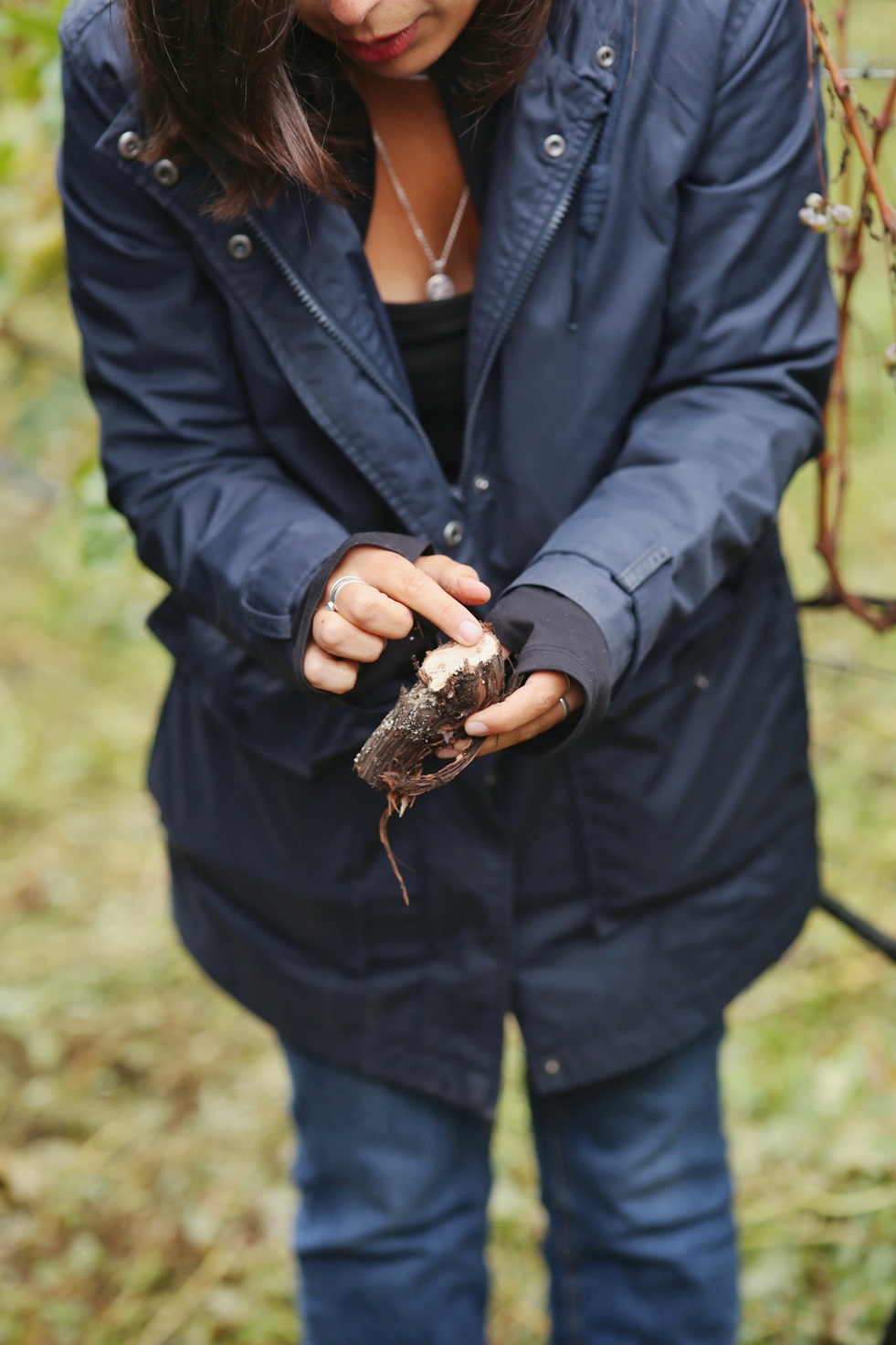
With the support of the project, the Agro Center selected local consultants who, in the first stage, underwent both theoretical and practical training in viticulture. The training covered vineyard management throughout the full vegetation cycle, pruning rules and timelines, green operations, and the identification and control of pests and diseases. Participants also worked on pressing issues such as vine sunburn and practical methods for managing it.
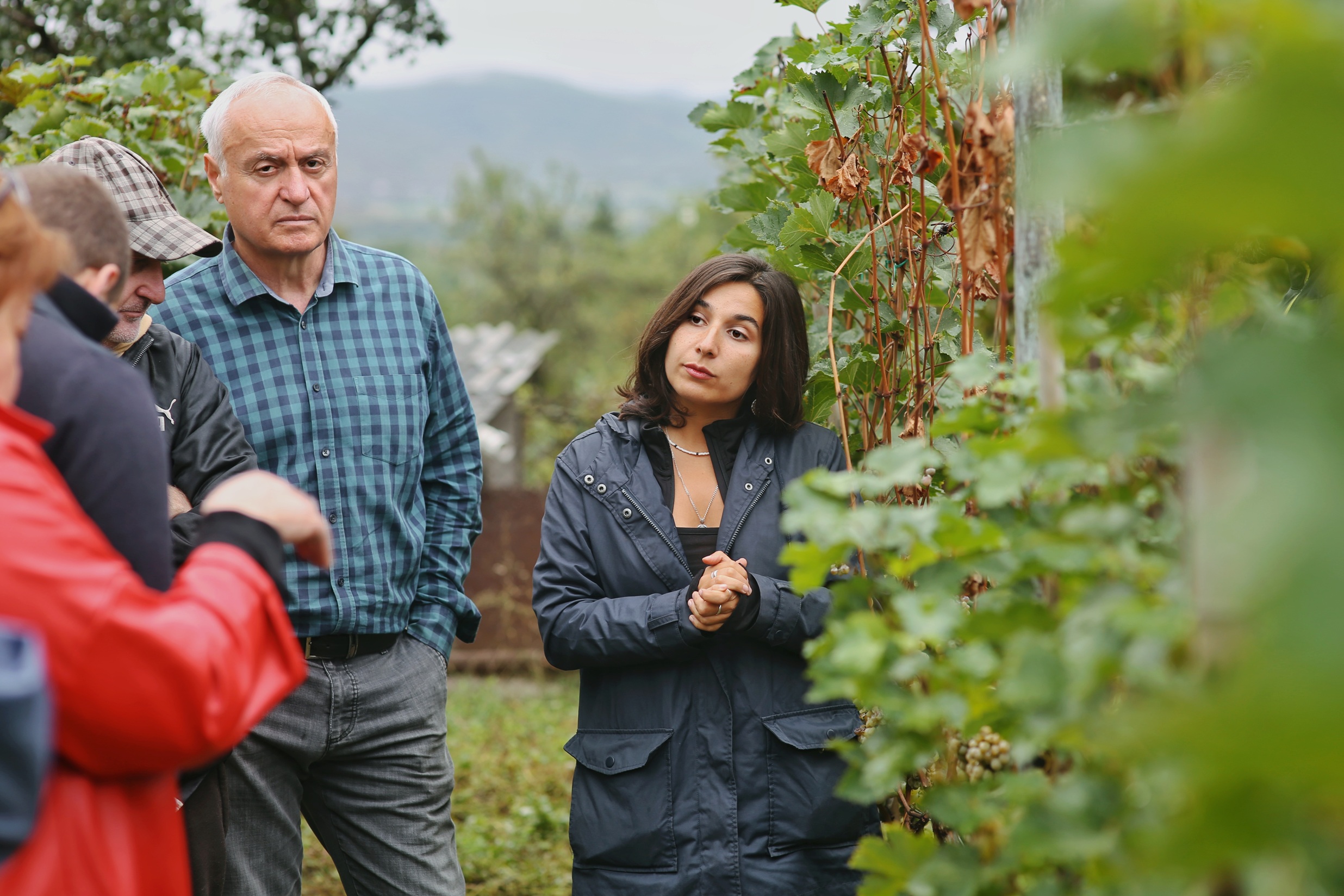
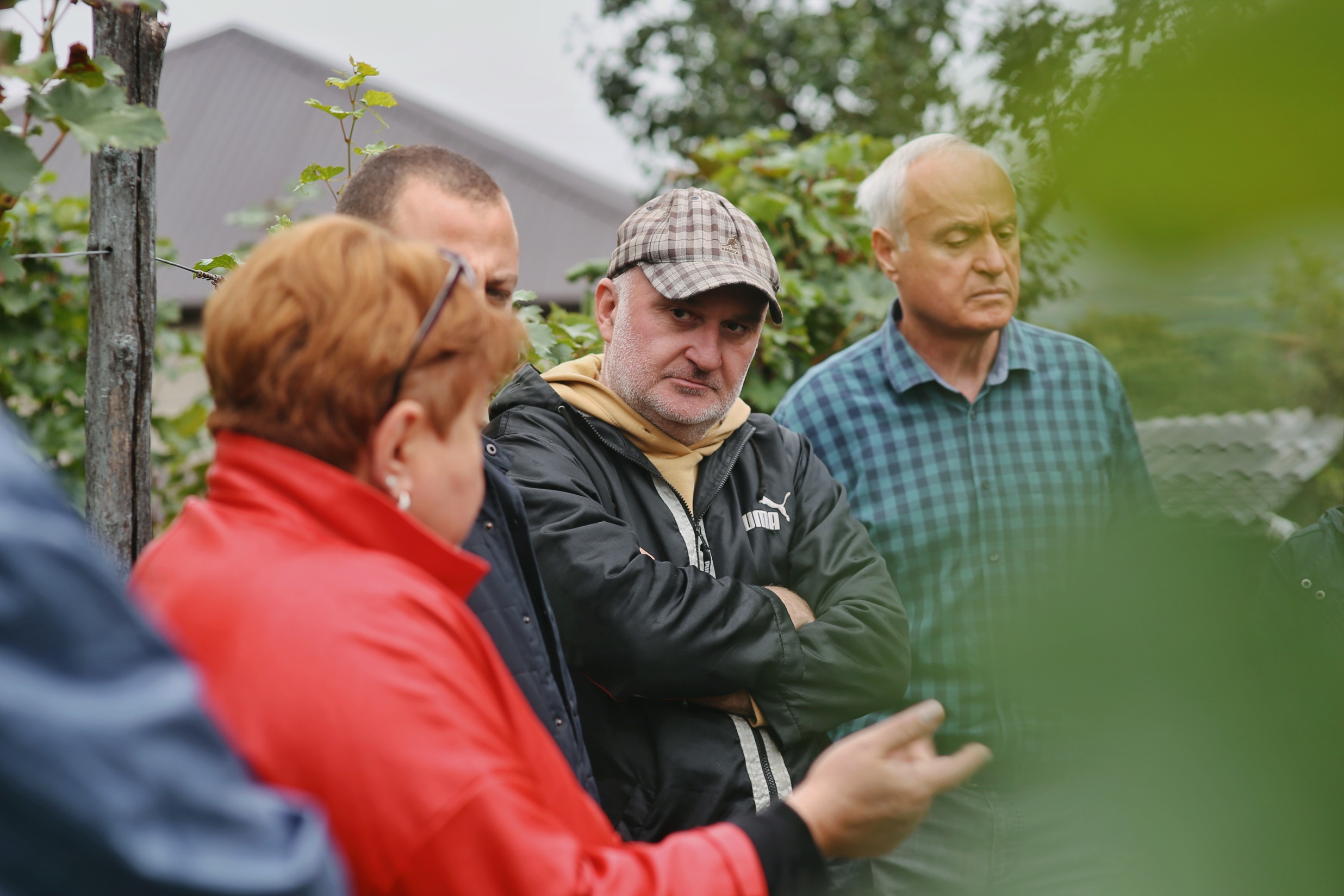
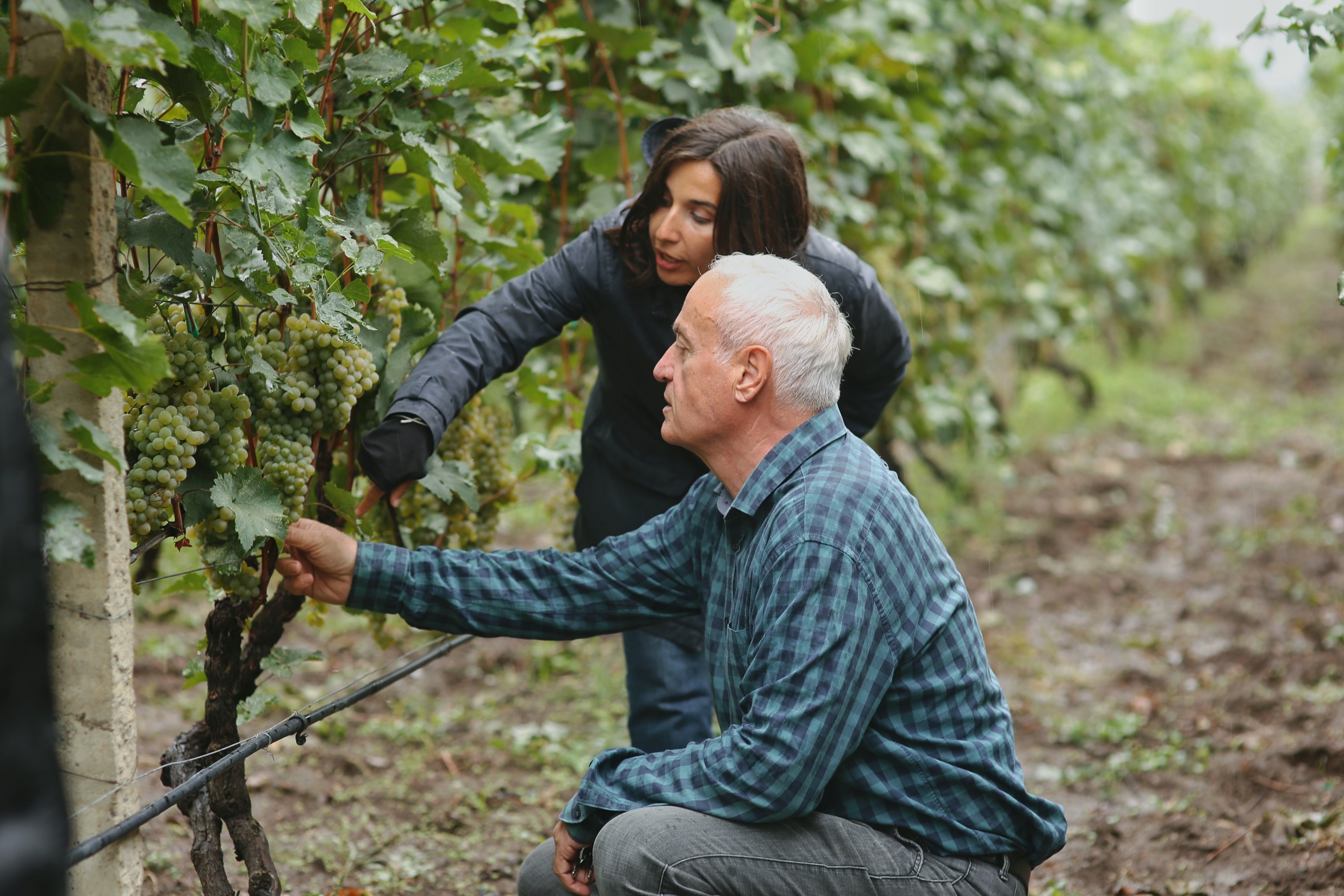
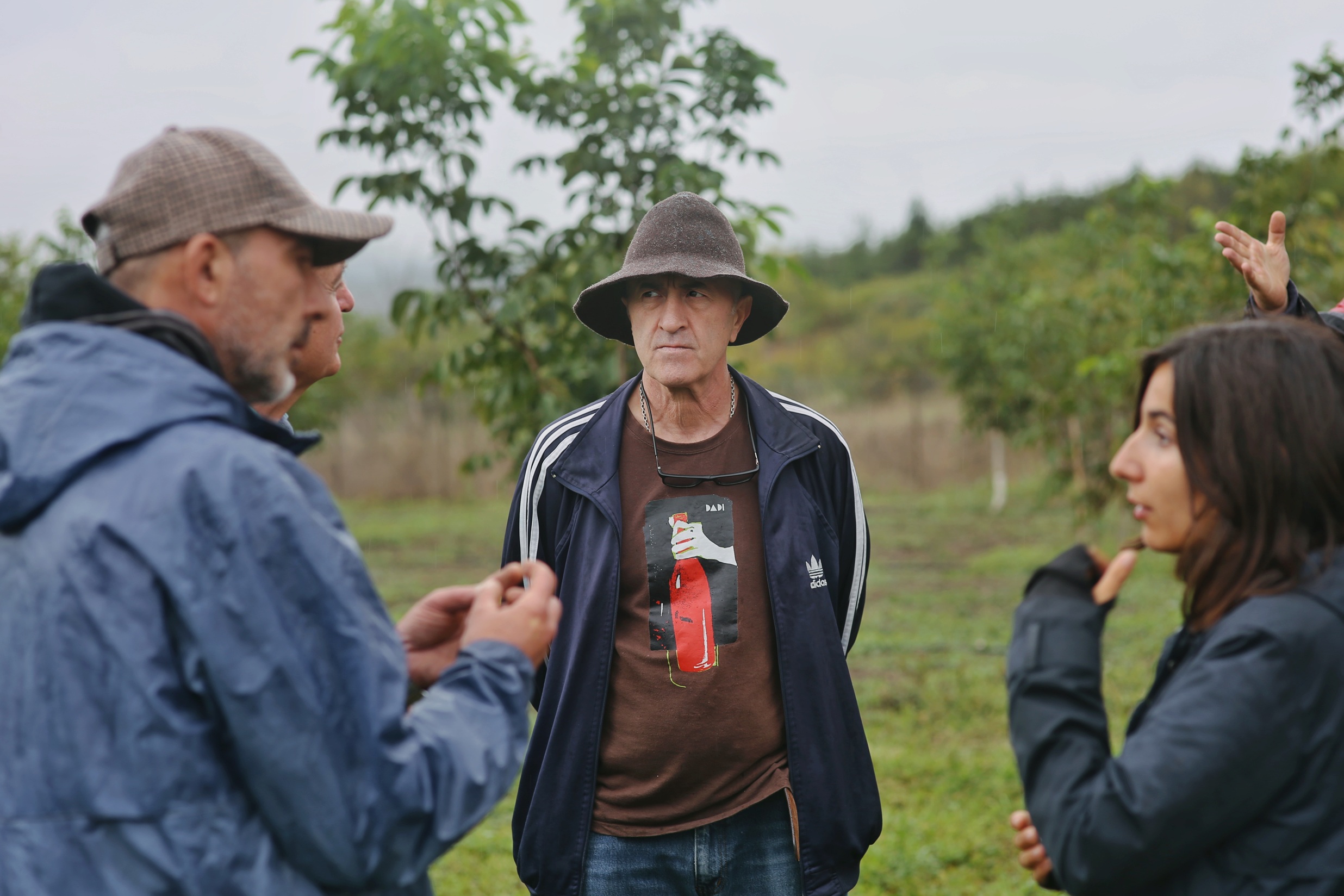
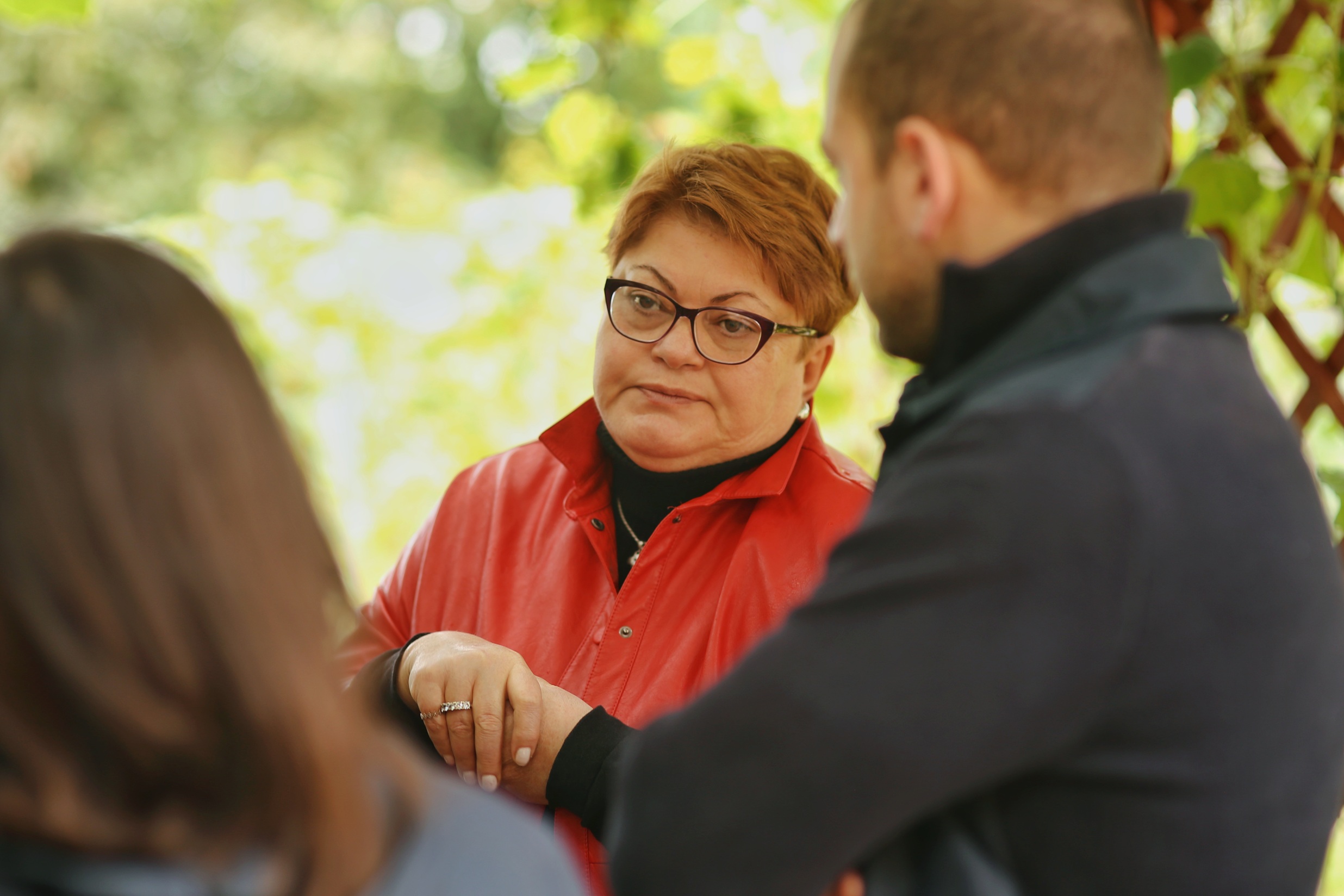
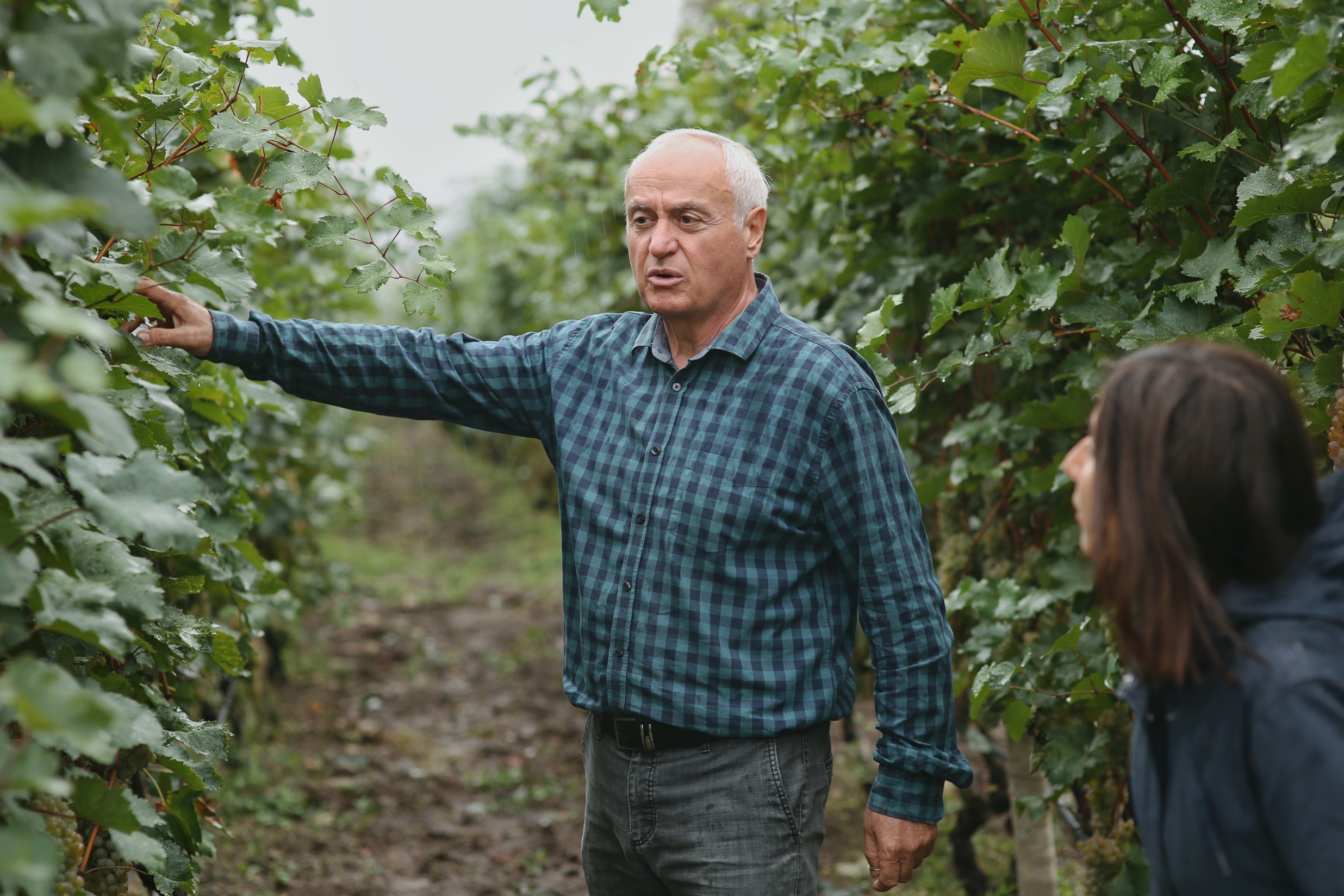
The training was led by Dr. Tekle Zakalashvili, Assistant Professor of Agricultural Sciences, who explained:
“Participants completed a program tailored to the Kvemo Kartli region, which covered the main aspects of viticulture. The course included both theoretical and practical lectures. For example, pruning, problems associated with pruning, its rules and timelines. We also examined the active pests and diseases in the region, including fungal, phytoplasma, and viral infections.”
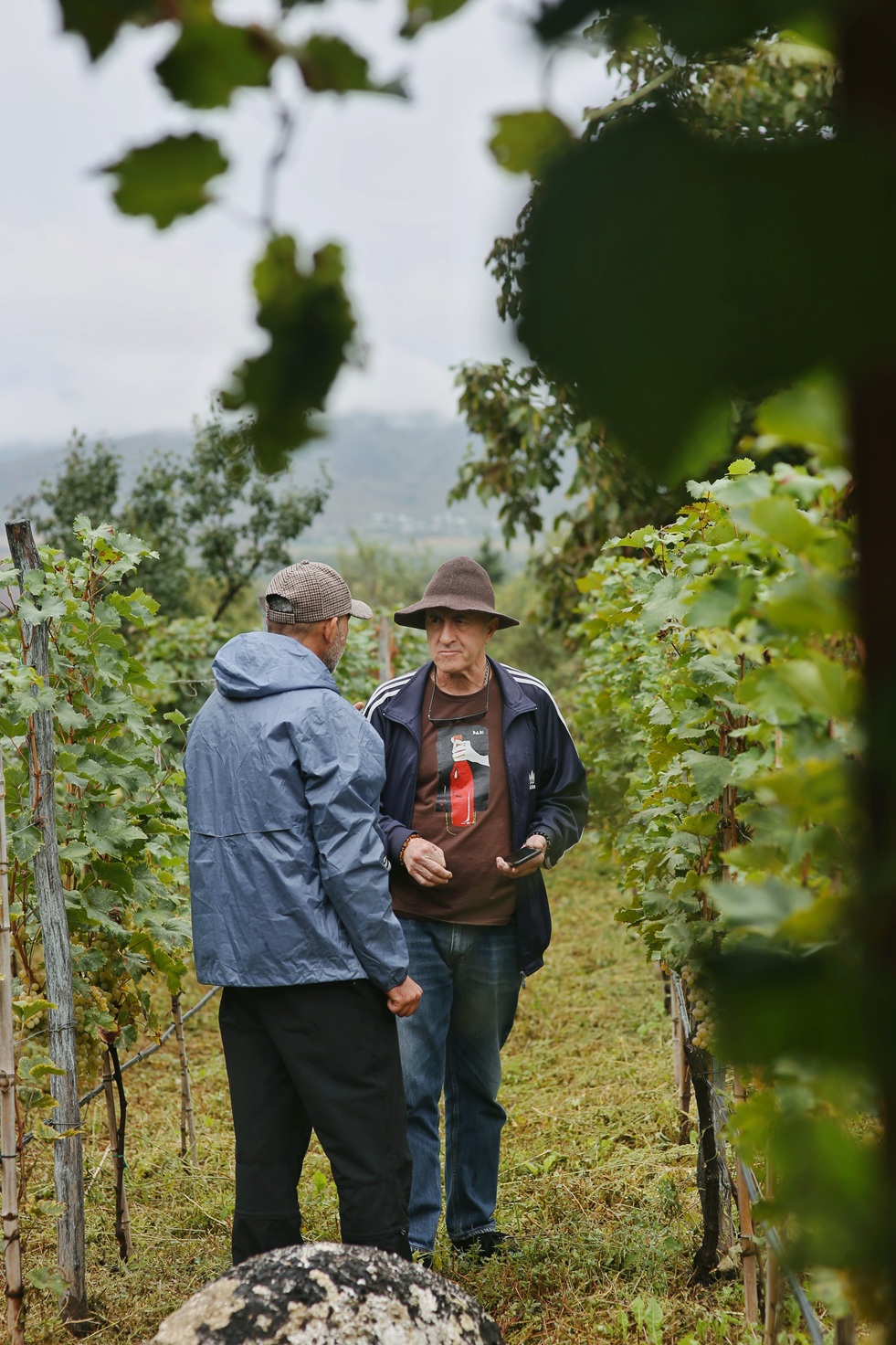
Tekle emphasized that practical training is especially important, as climate change continuously presents new challenges for vine-growers. Visits to different vineyards and direct engagement with diverse grape varieties and formation methods provided participants with far greater experience and knowledge.
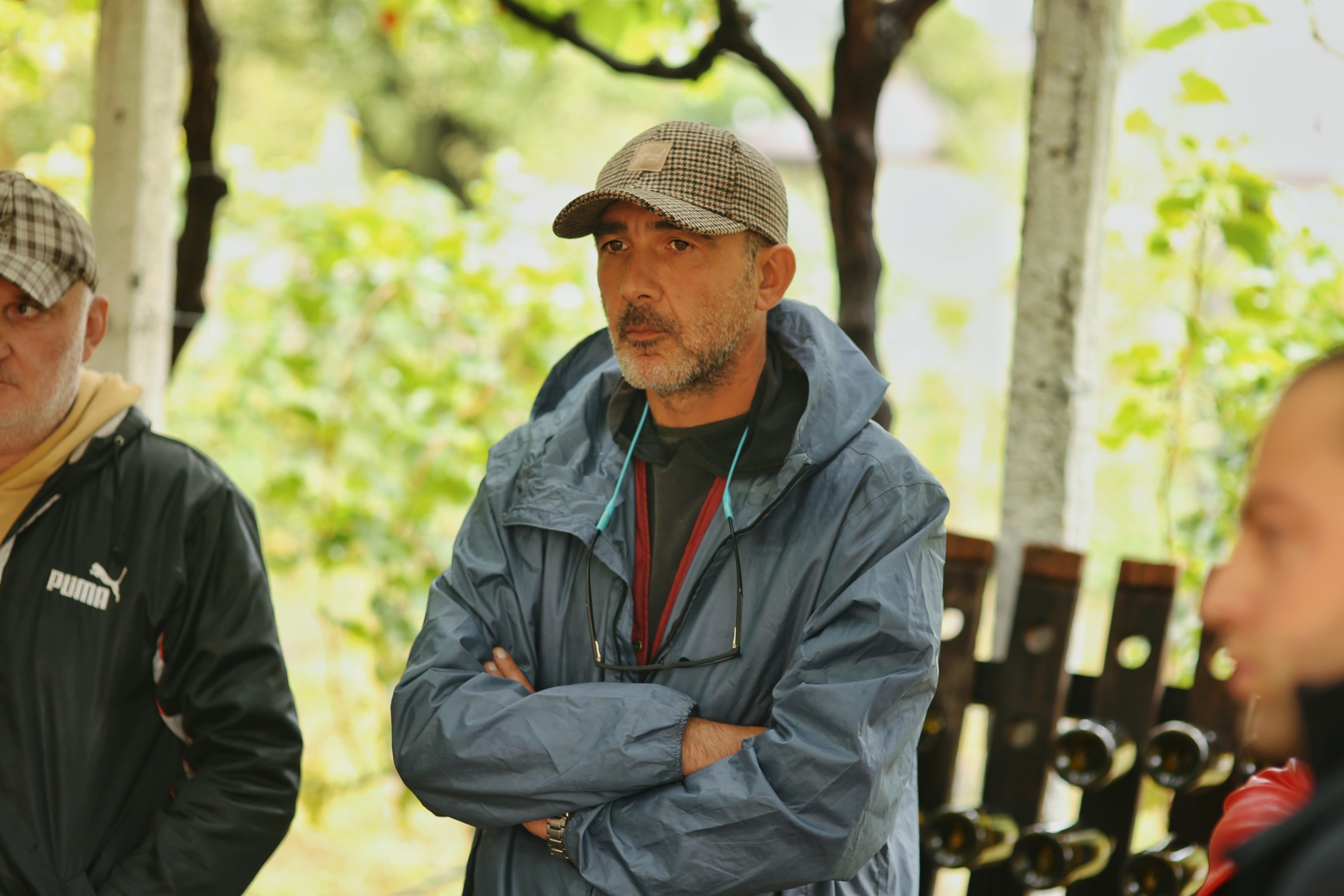
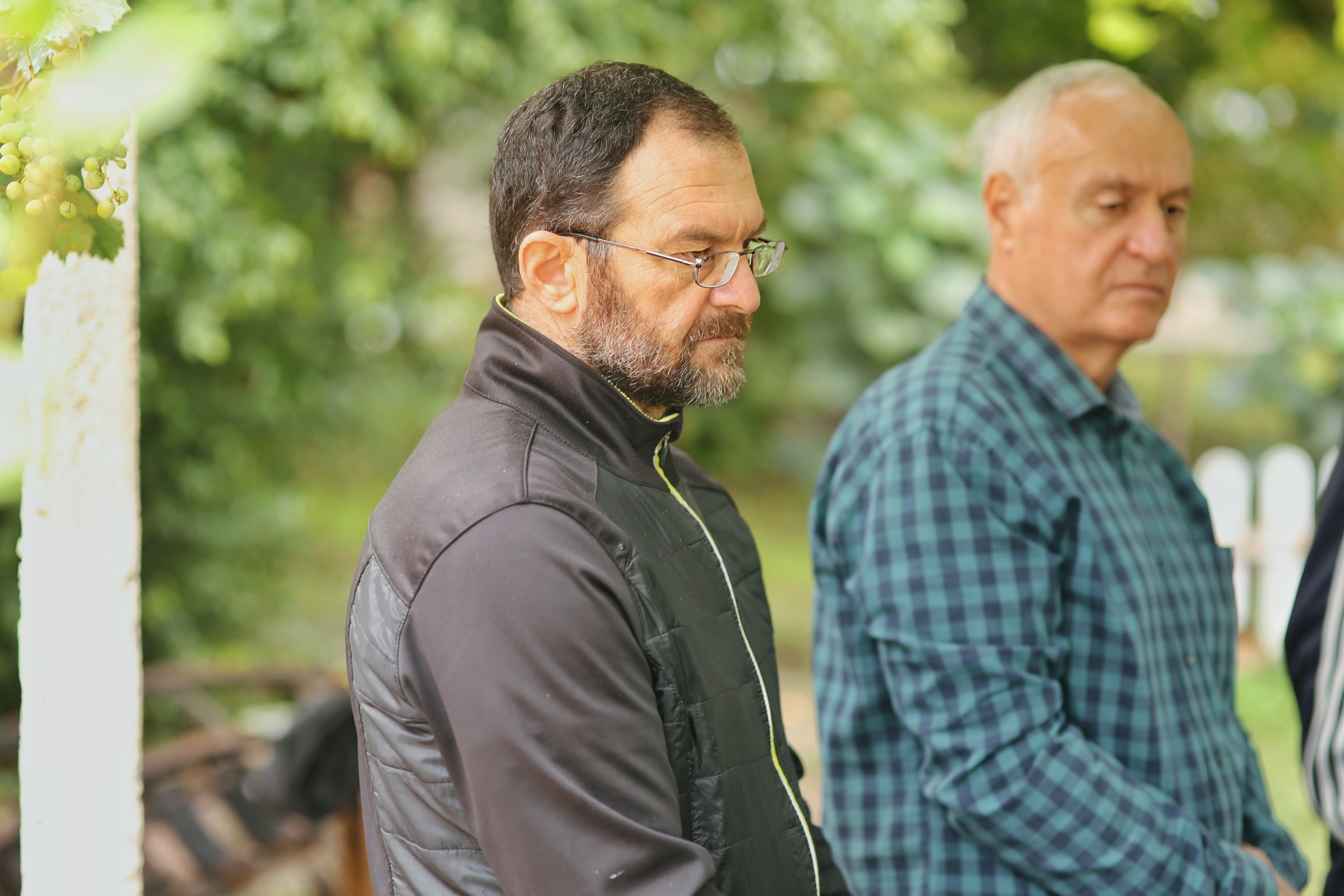
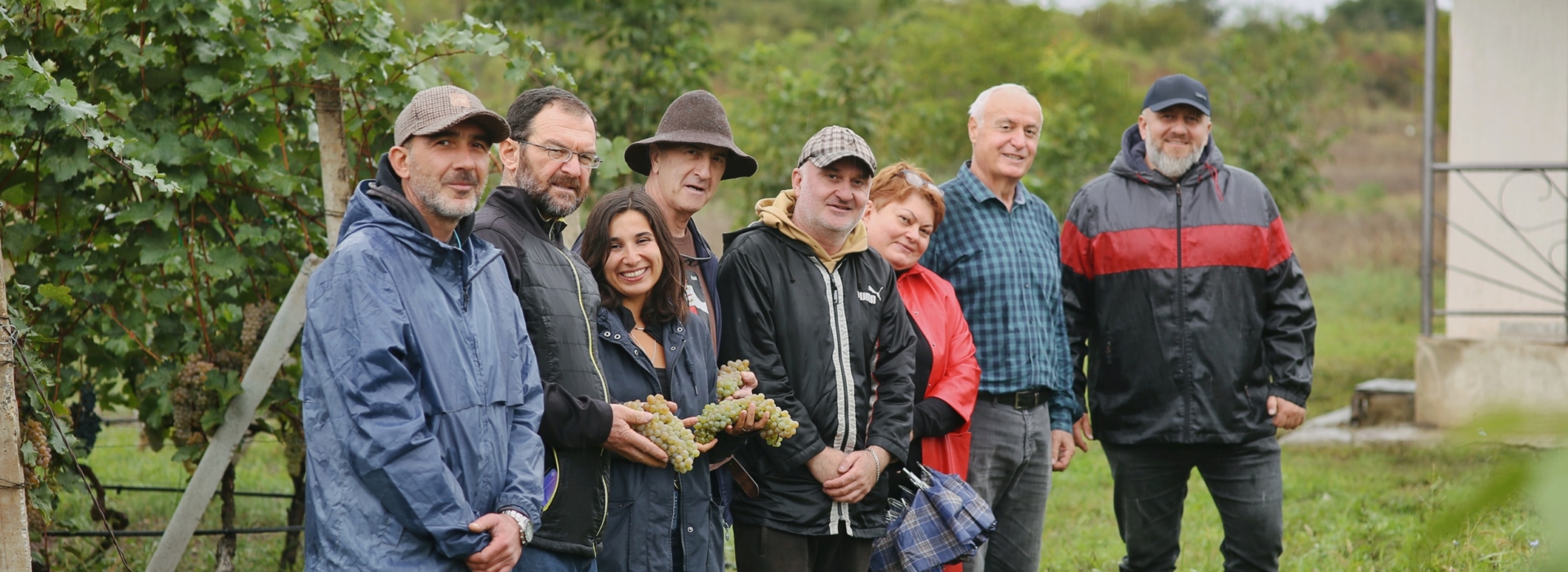
In total, nine consultants completed this course, including two extension officers from the Rural Development Agency and seven independent specialists. Most participants noted that the combination of theoretical and practical learning proved highly effective. Local consultant Gocha Liparteliani shared:
“The training covered issues we only had general knowledge of before. Now we can manage vineyards using concrete methods. It would be great if similar programs continued and even more time was dedicated to practice.”
His colleague, Mirian Urumashvili, highlighted the importance of disease prevention and proper vine nutrition:
“This new knowledge allows us to detect diseases in time and help the vine. In the long term, it’s essential to gain more practical experience, see more examples, and work in different types of vineyards.”
The Local Economic Development Project will continue sharing knowledge in the future. In the next stage, consultants will undergo both theoretical and practical training in winemaking.
The project is funded by the Swiss Agency for Development and Cooperation (SDC) and implemented by the HELVETAS Swiss Intercooperation and WINS Global Consult consortium.