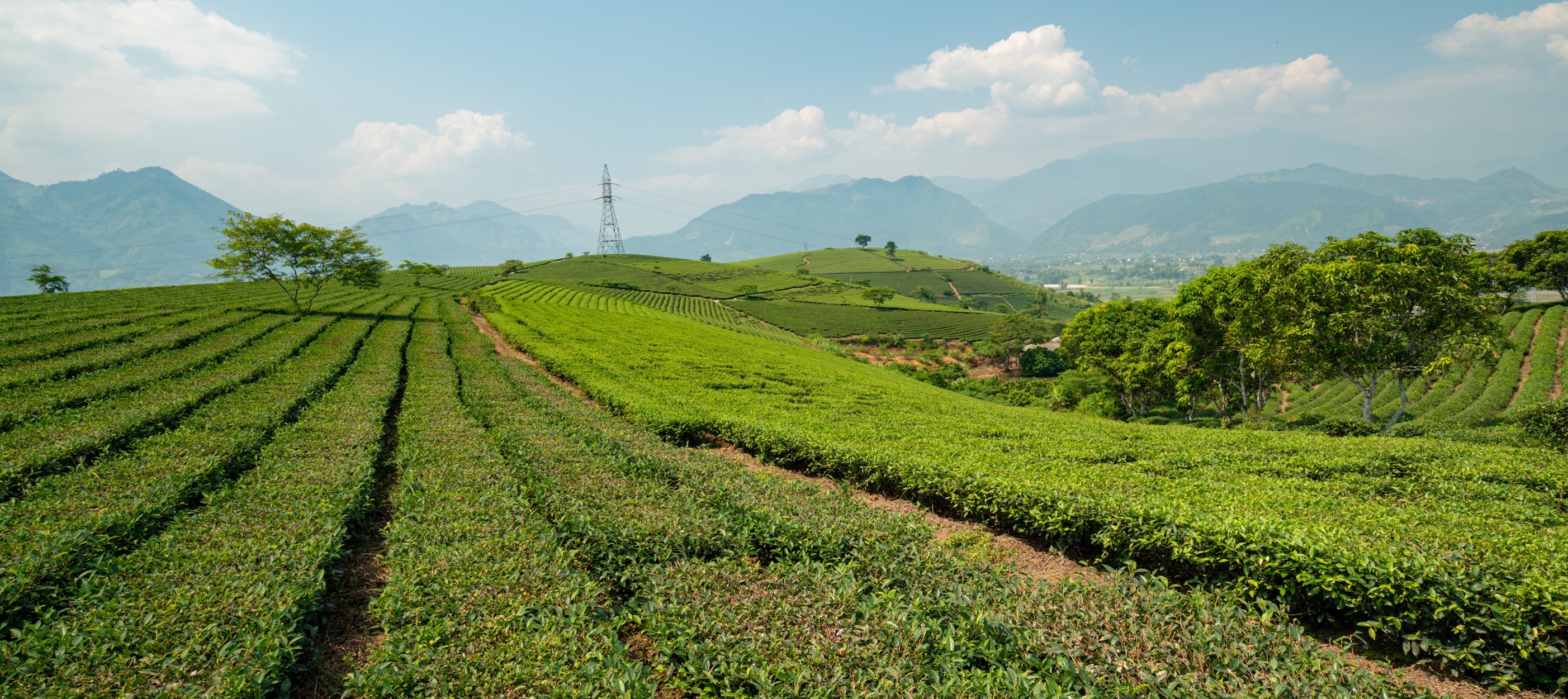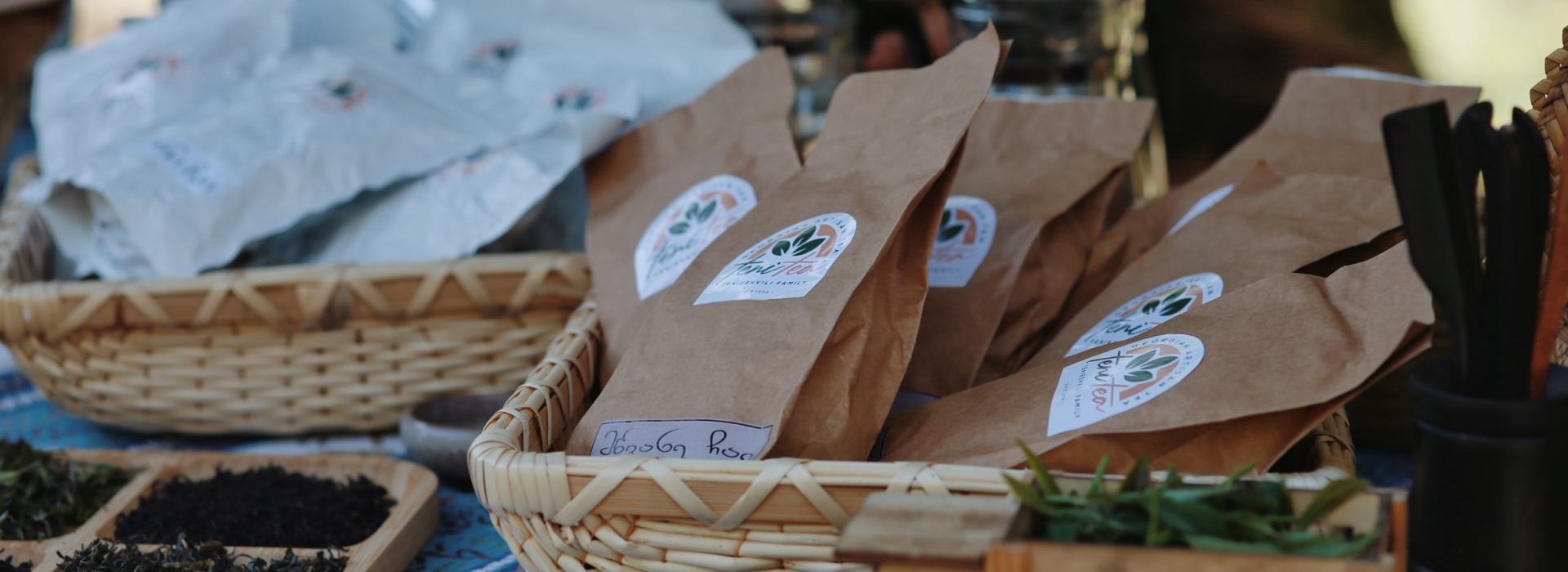


The tea industry in Georgia is not just an important part of agriculture but also a distinctive element of its cultural heritage. The Guria region, with its unique climate and fertile soil, has always been an ideal environment for tea production. However, over the years, amid numerous challenges, Gurian tea has lost its strong position and requires the combined efforts of the private sector, state institutions, and international organizations for its revival.
Today, the tea industry in Guria brings together hundreds of farmers and dozens of processing companies, producing 100 tones of premium-quality tea annually. Despite the difficulties, Gurian tea remains a promising avenue for regional economic development. Reviving traditional knowledge, introducing modern technologies, and supporting local entrepreneurs lay a solid foundation for strengthening the tea sector and enhancing its position in local and international markets.
Challenges in the Gurian Tea Sector
Despite its rich history and economic potential, the tea industry in Guria continues to face significant challenges. To identify these issues and propose solutions, the Local Economic Development Project (LEDP) organized workshops with tea processing companies in 2024. Several critical issues emerged from these discussions:
- Limited financial resources hindering entrepreneurs from expanding production and modernizing their facilities.
- Challenges in accessing markets due to a lack of sales channels, limited awareness of Georgian tea locally and internationally, and other related obstacles.
- A shortage of skilled specialists and technical knowledge, preventing consistent production of high-quality tea.
Additionally, the lack of reliable statistical data poses challenges for long-term strategic planning in the sector.
Addressing these challenges requires a coordinated and multifaceted approach that ensures the sustainable development of the tea sector.
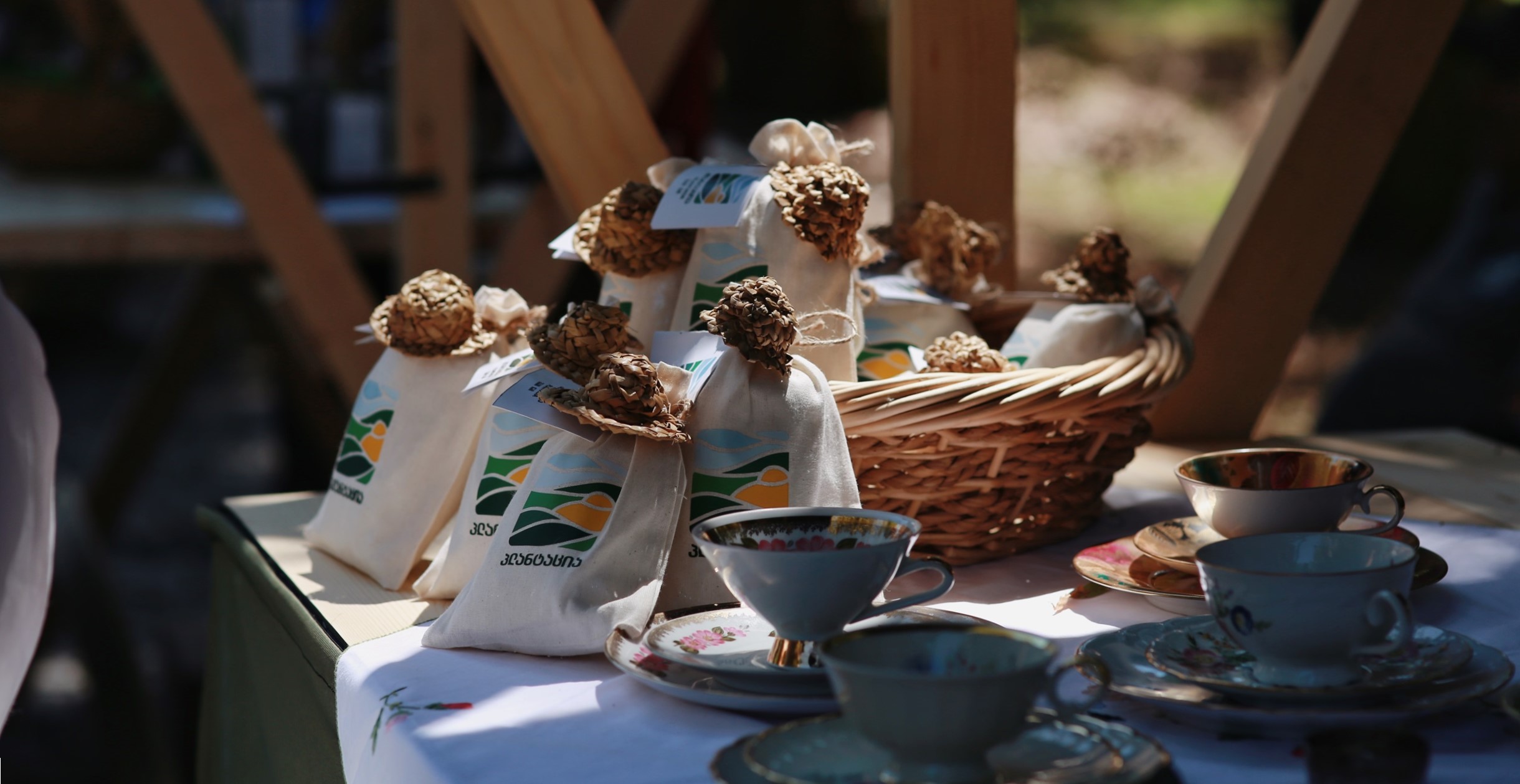
Strategic Vision of the Project
Local Economic Development Project (LEDP) aims to strengthen the tea sector in Guria and position it as a key driver of the region’s economic development. The project strategy focuses on introducing modern technologies, supporting local entrepreneurs, and fostering inclusive approaches to ensure the sector’s sustainability and long-term success.
In its initial phase, the project plans a detailed analysis of the tea value chain to assess the current state of production and processing, challenges, and opportunities. This analysis will guide the development of tailored, effective strategies. The research findings will be actively discussed with local stakeholders to ensure their engagement and support.
The next steps include:
- Enhancing the capacity of business associations to effectively represent and advocate for the interests of small and medium enterprises (SMEs).
- Improving SMEs’ access to modern services and technical expertise to boost competitiveness in the sector.
- Promoting Georgian tea in local and international markets to improve market access and increase sales.
- Improving the skills of individuals involved in the value chain, which will contribute to more effective addressing of challenges in the sector.
The project also actively collaborates with international organizations to secure new funding sources and ensure the efficient use of resources. Moreover, inclusive development is a key priority of the project. The tea sector in Guria is an important source of employment for women, youth, and socially vulnerable groups. The project aims to increase their participation and strengthen their capacities, promoting not only social equality but also regional economic stability.
The project is funded by the Swiss Agency for Development and Cooperation (SDC) and implemented by the HELVETAS Swiss Intercooperation and WINS Global Consult consortium.