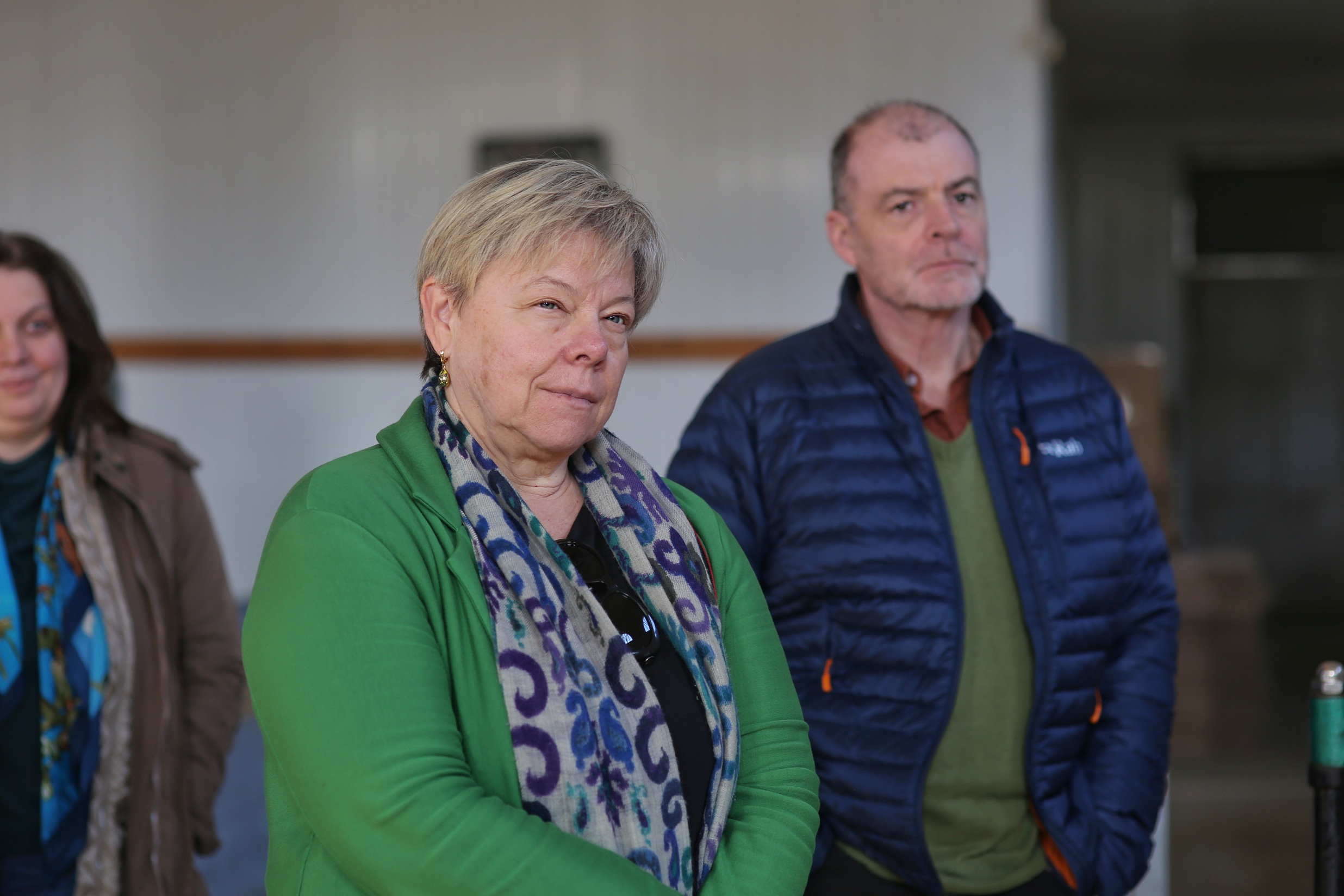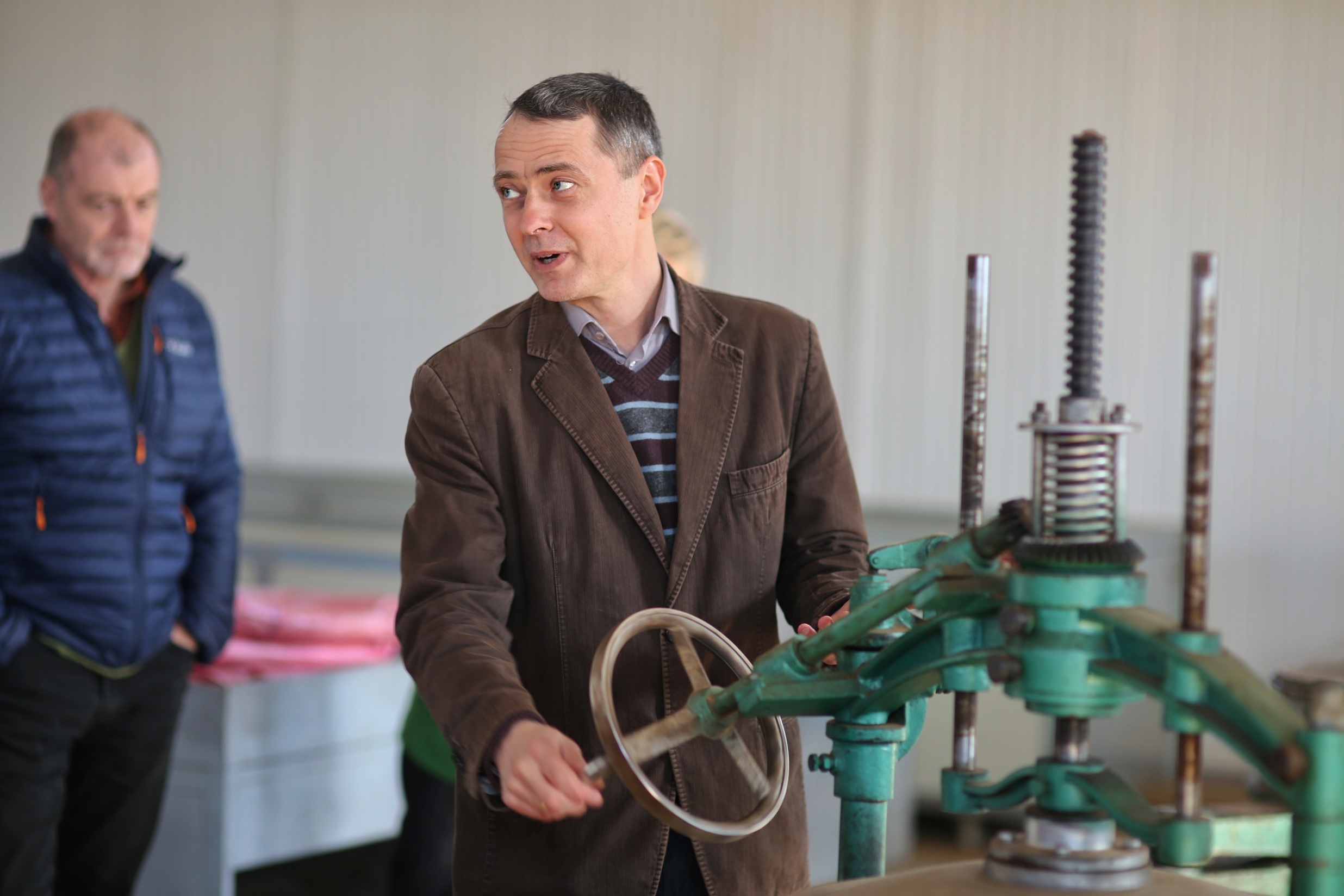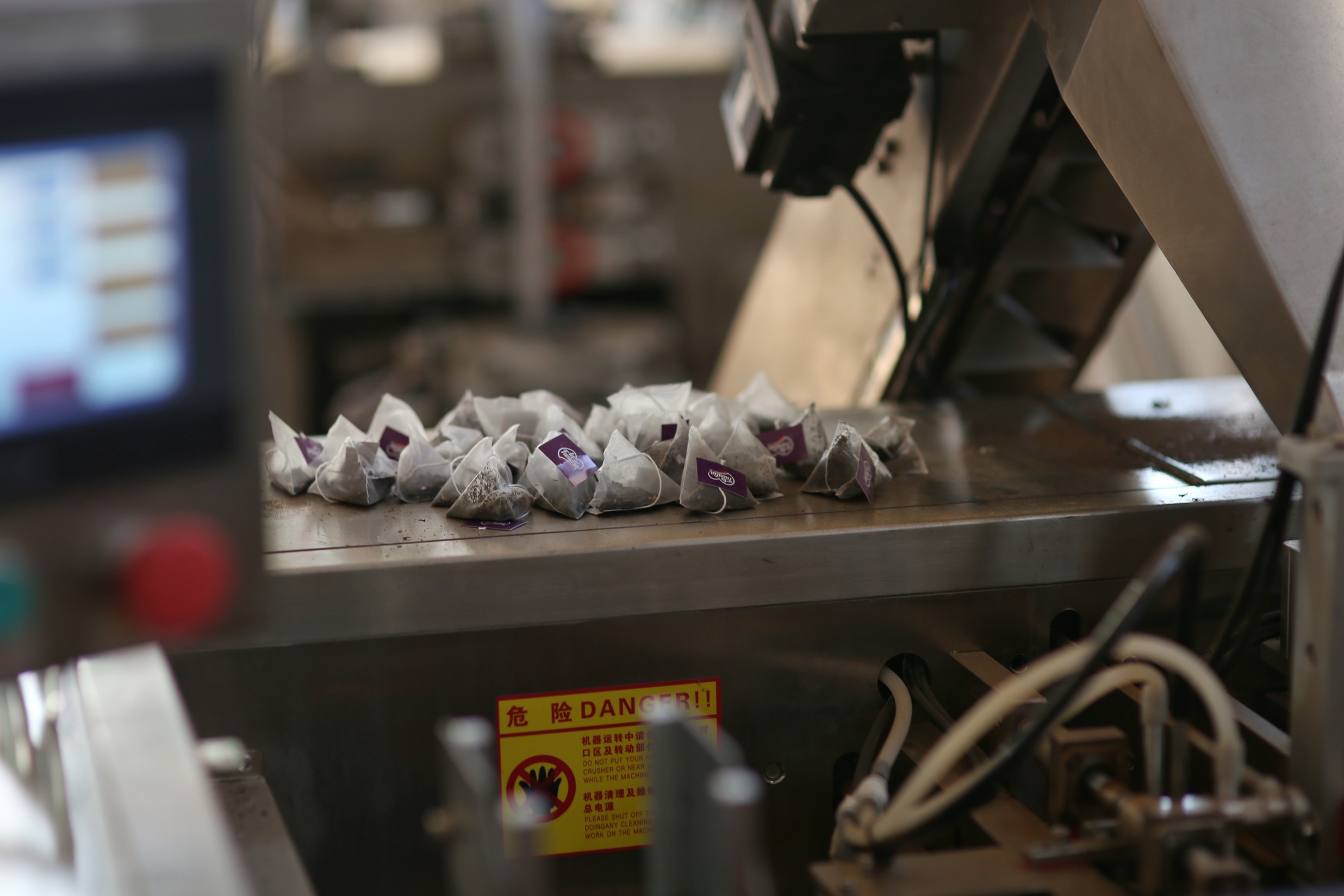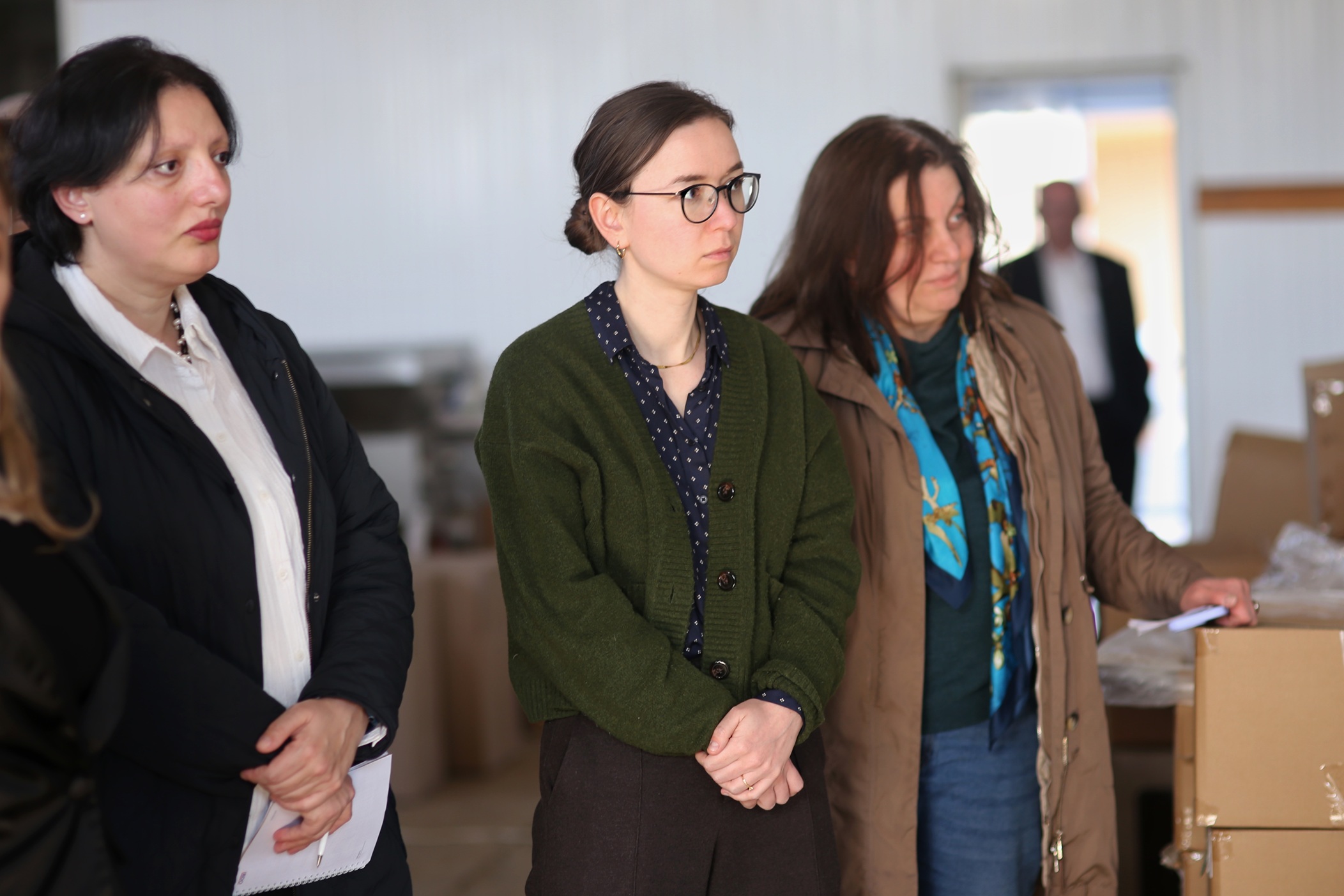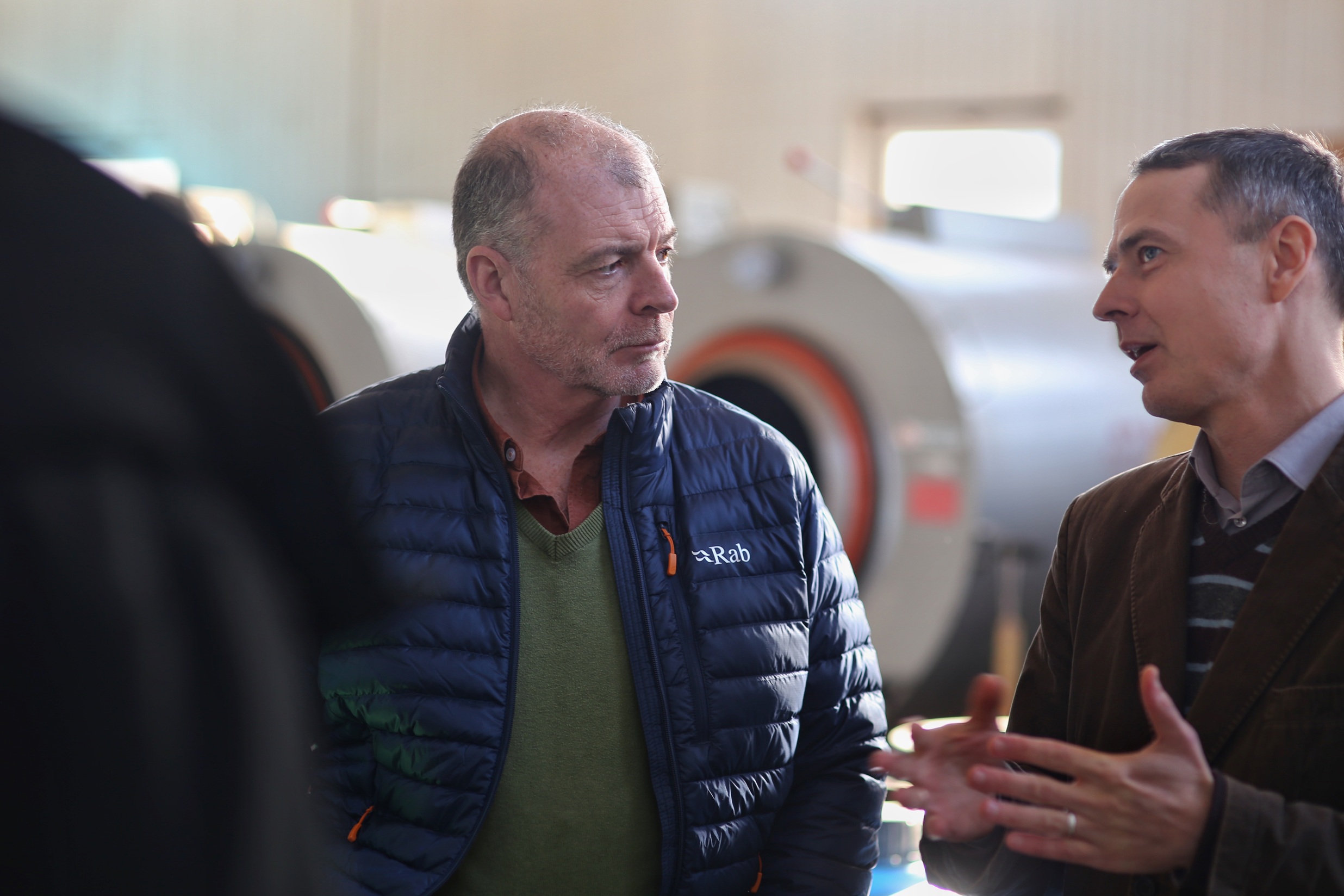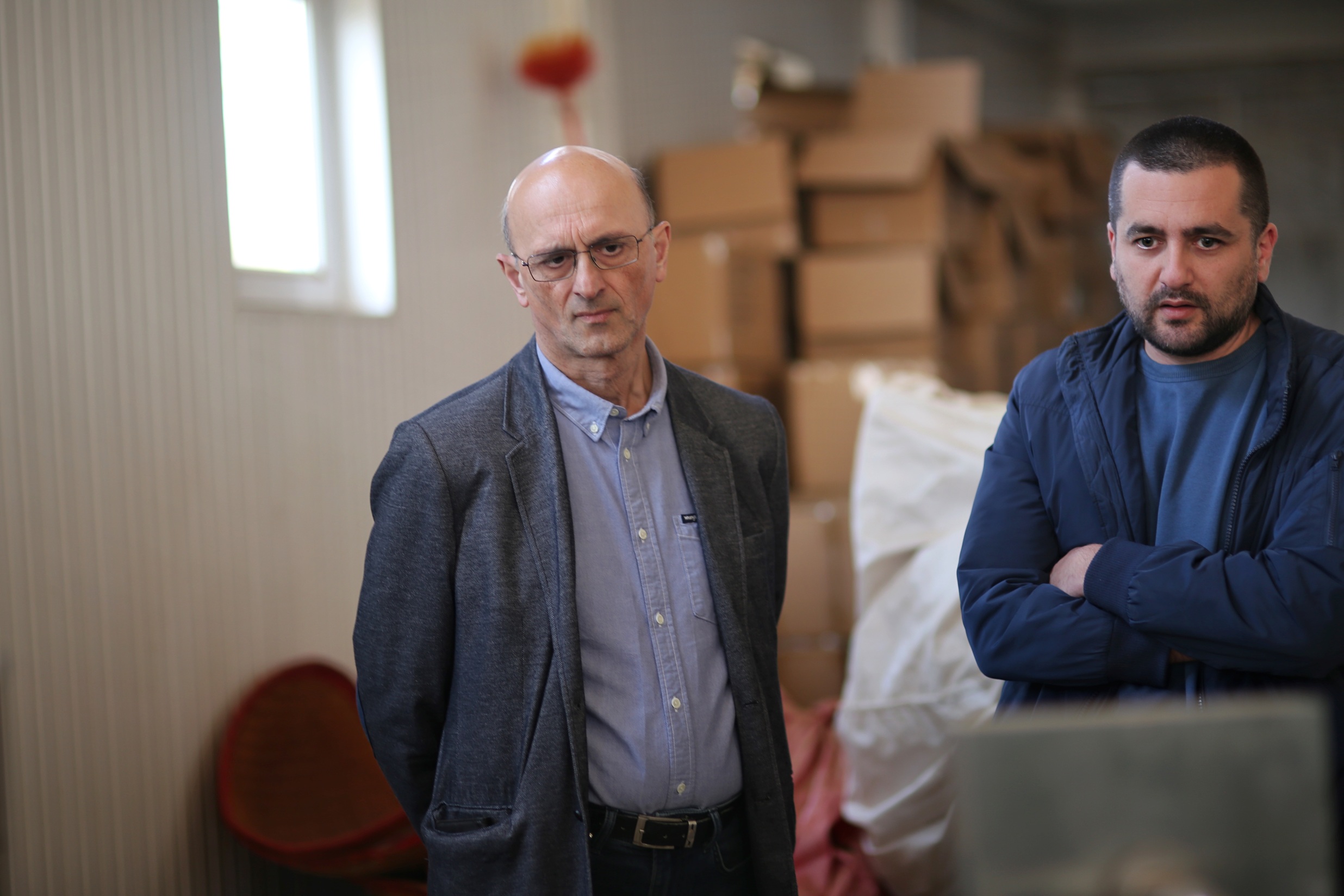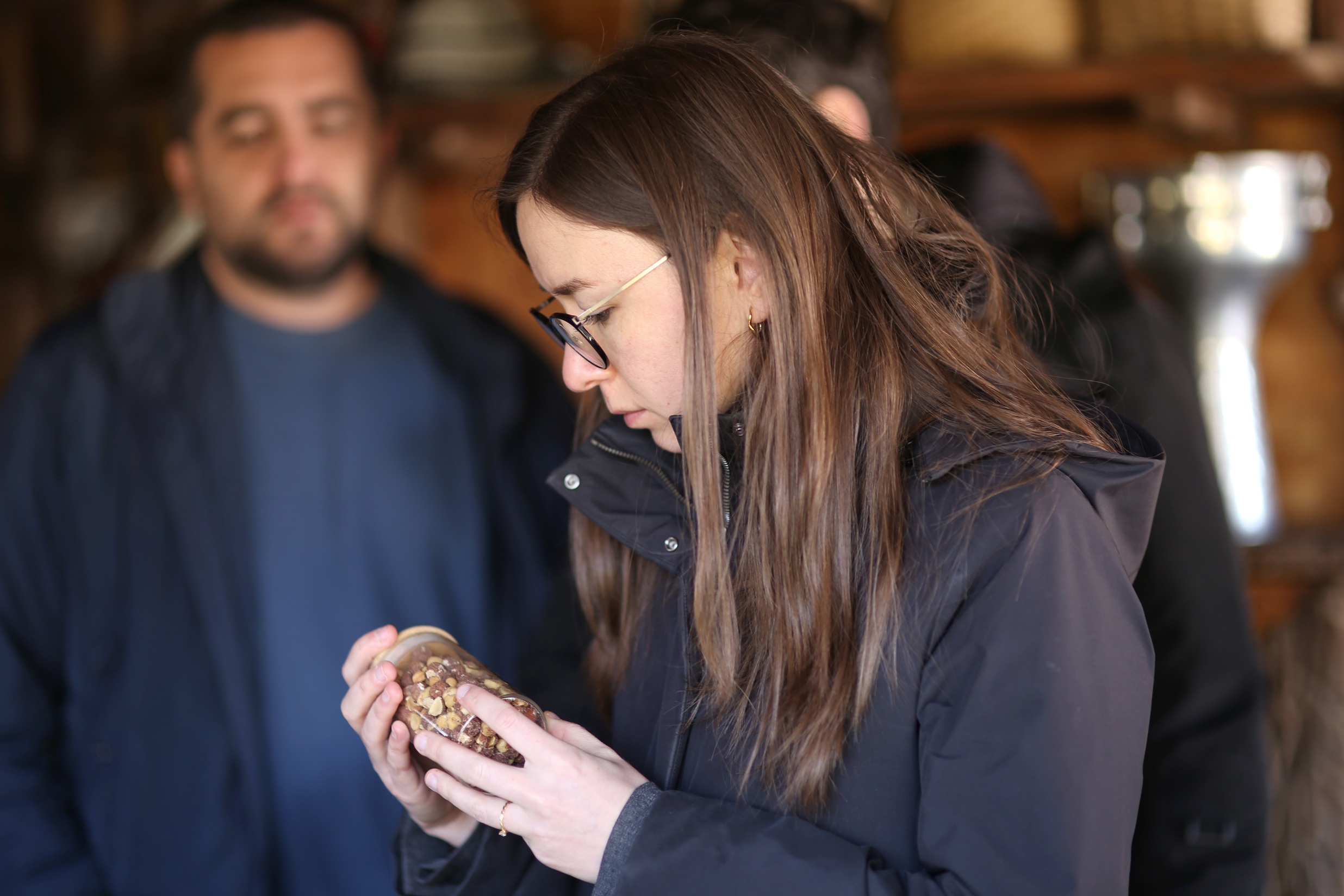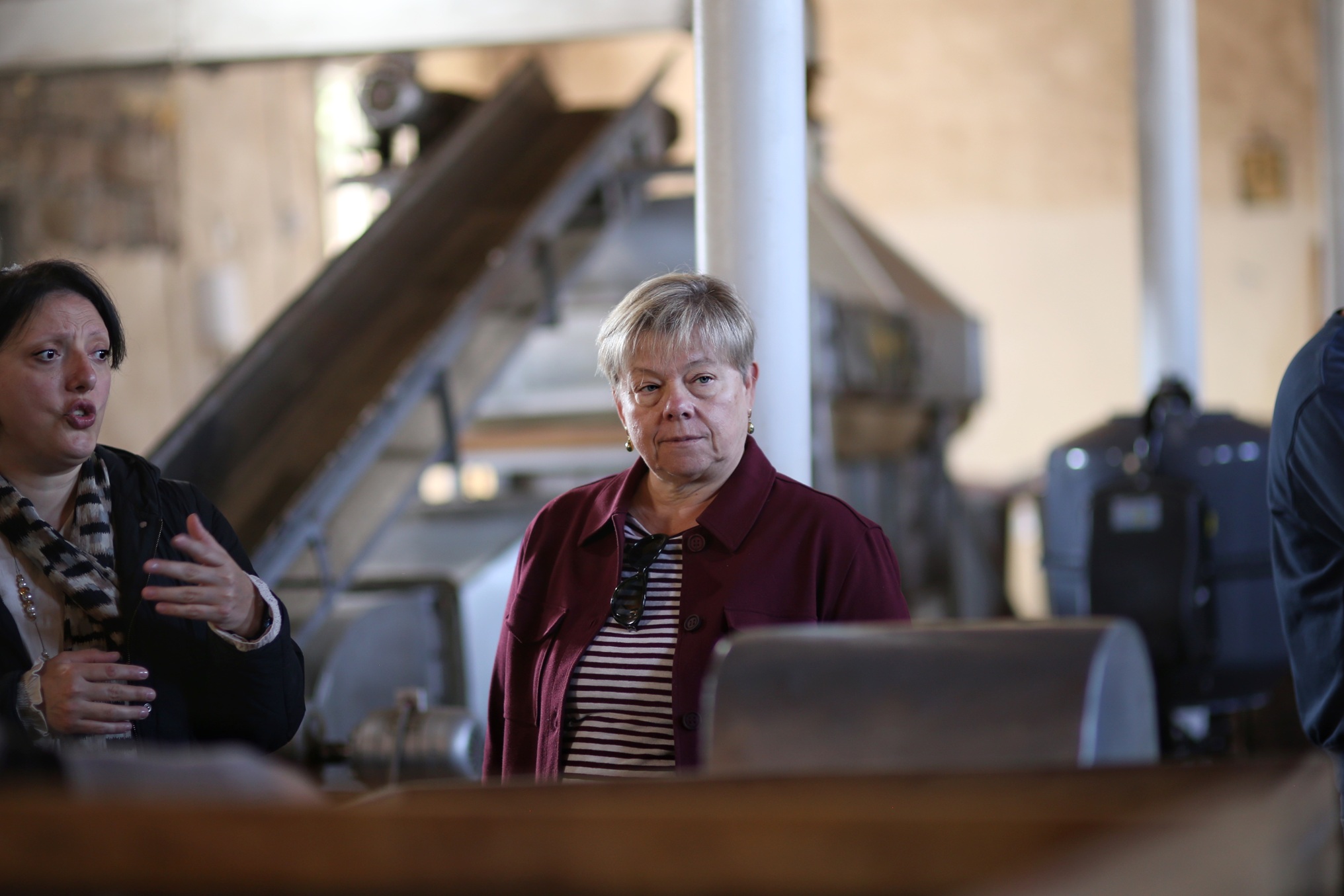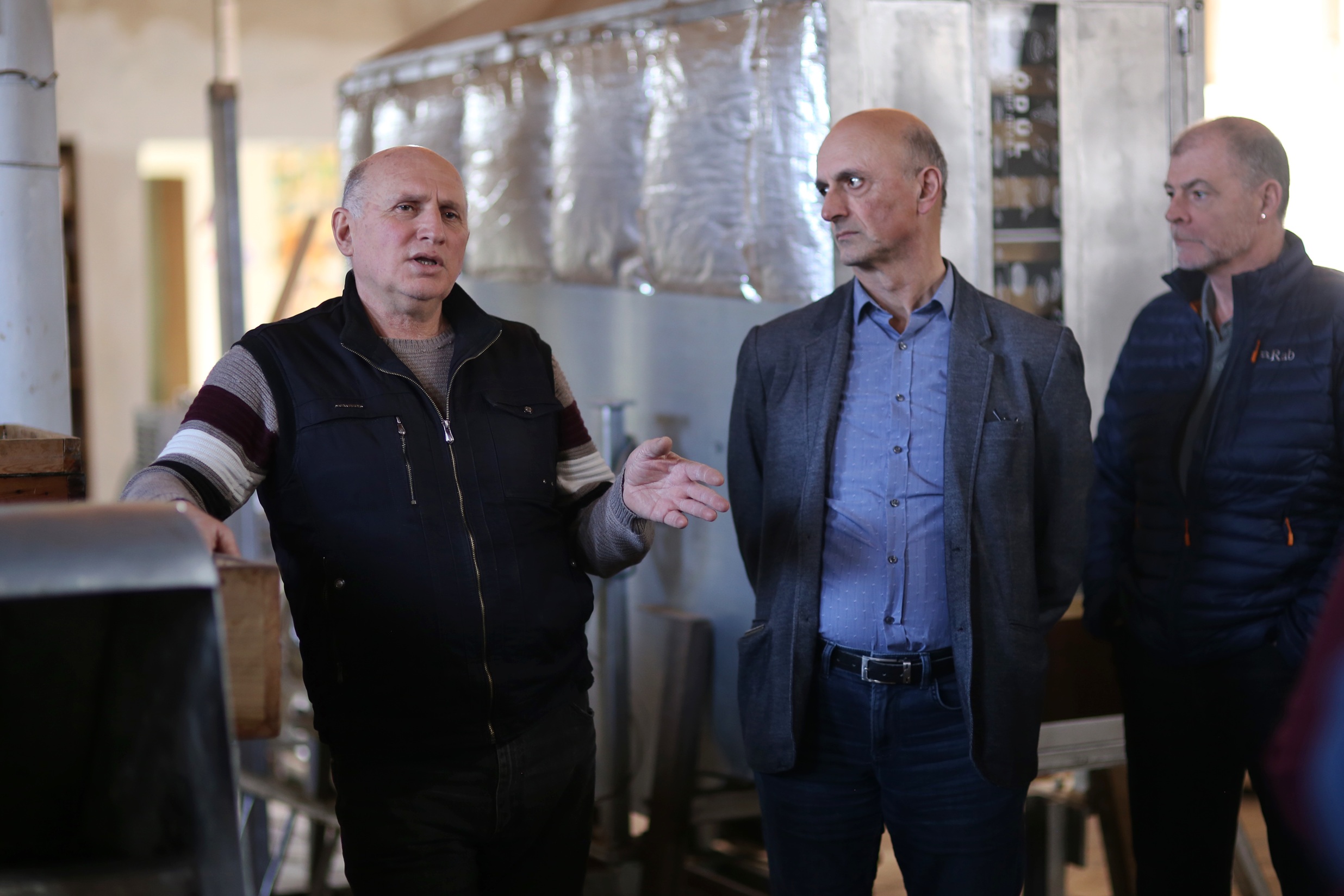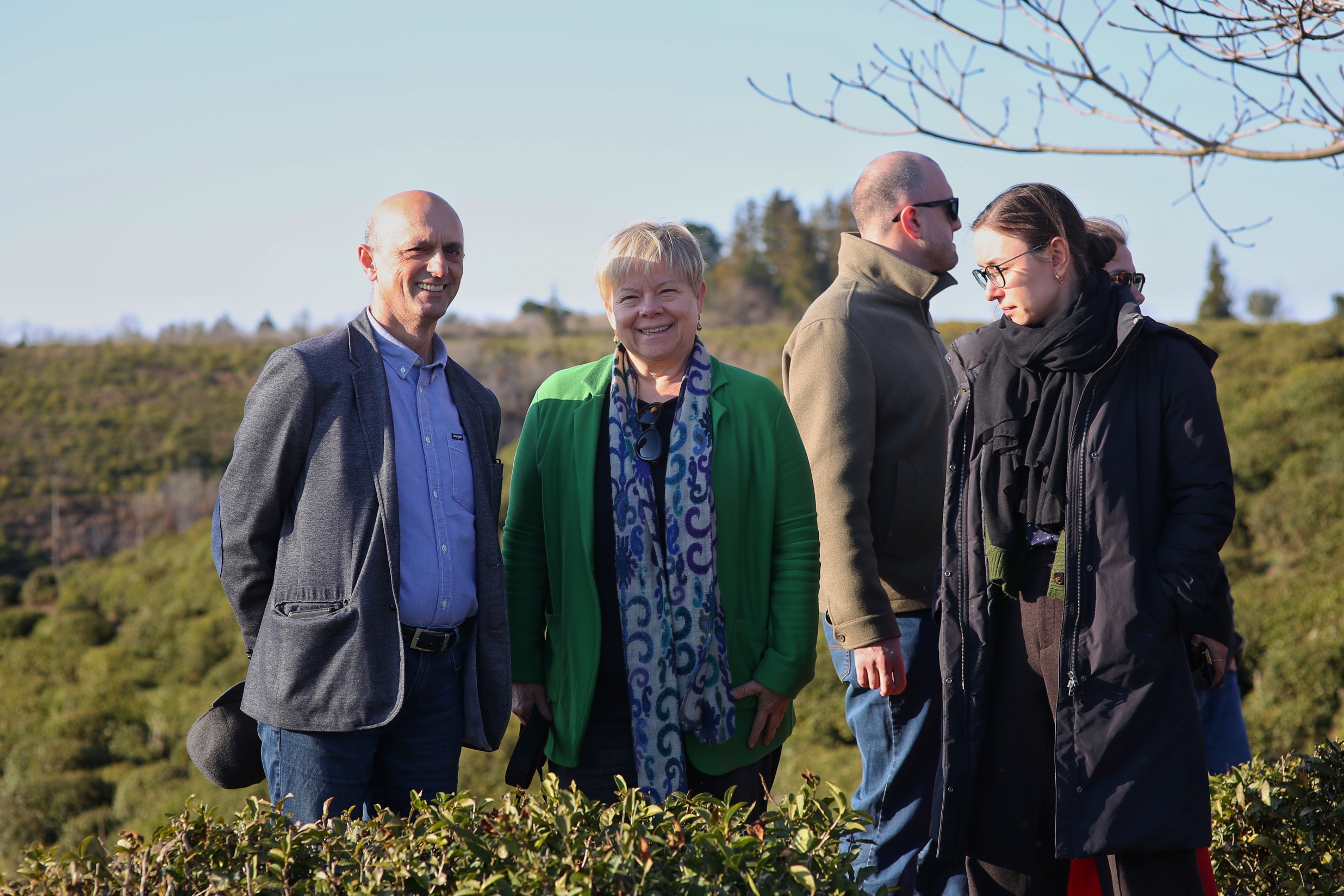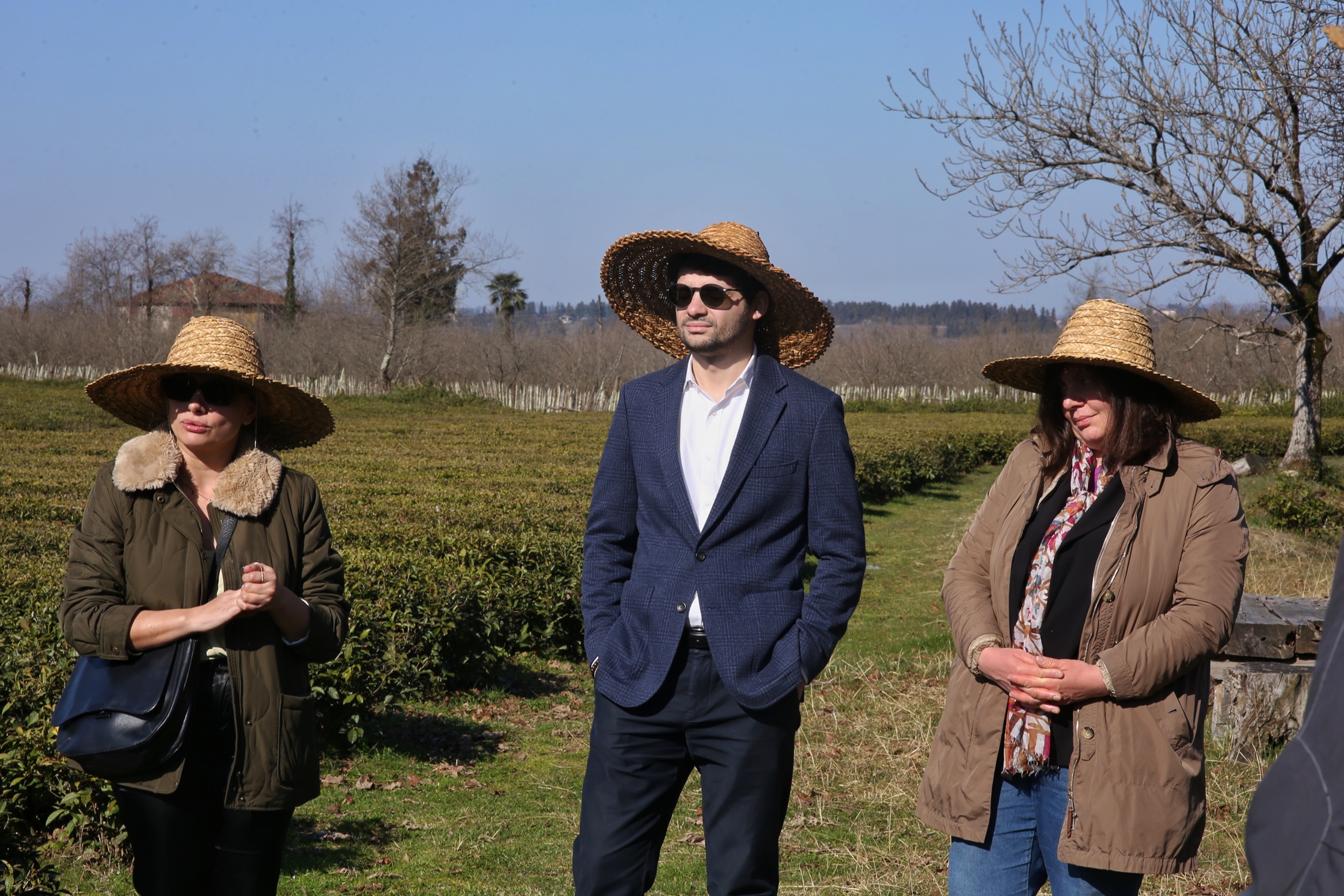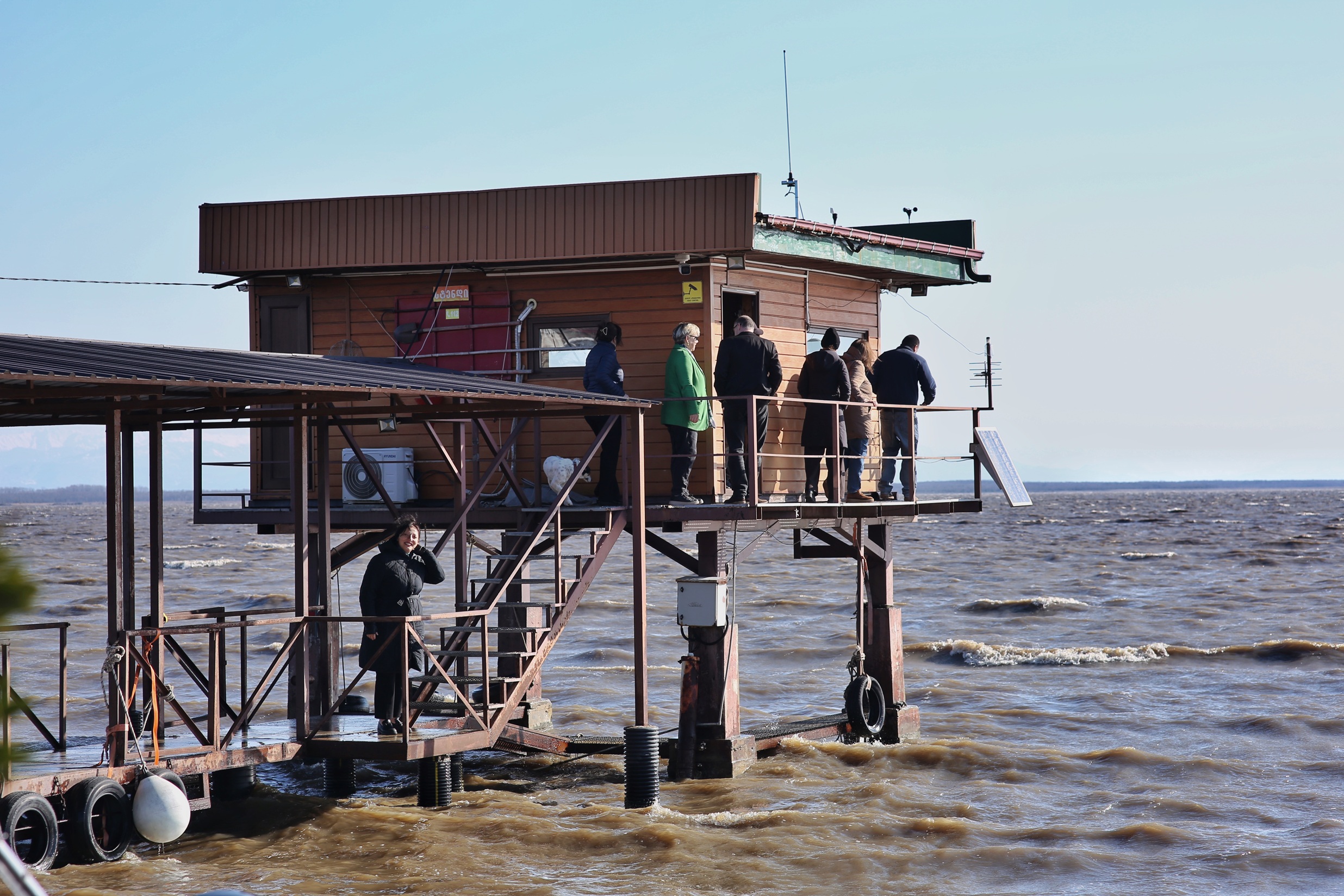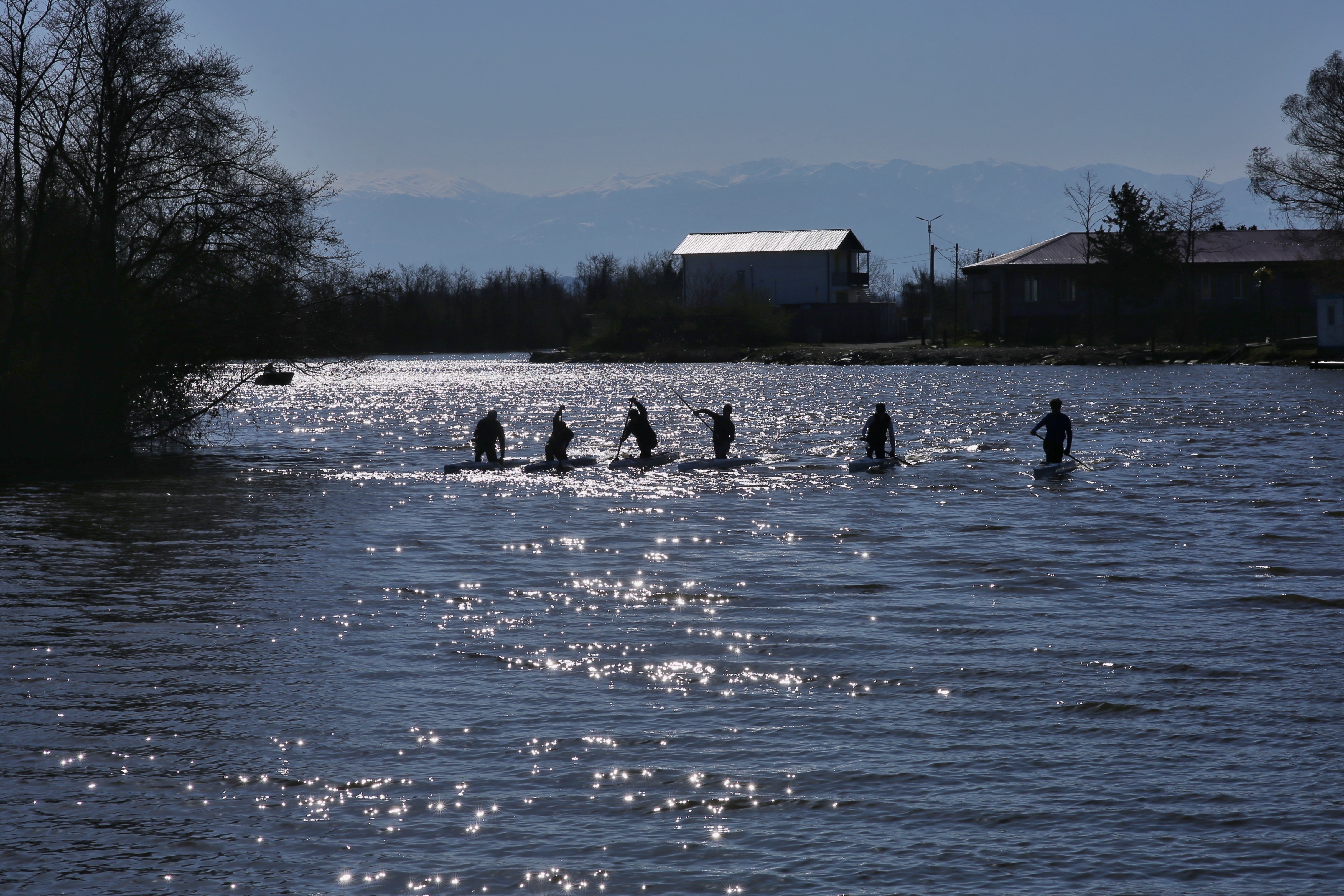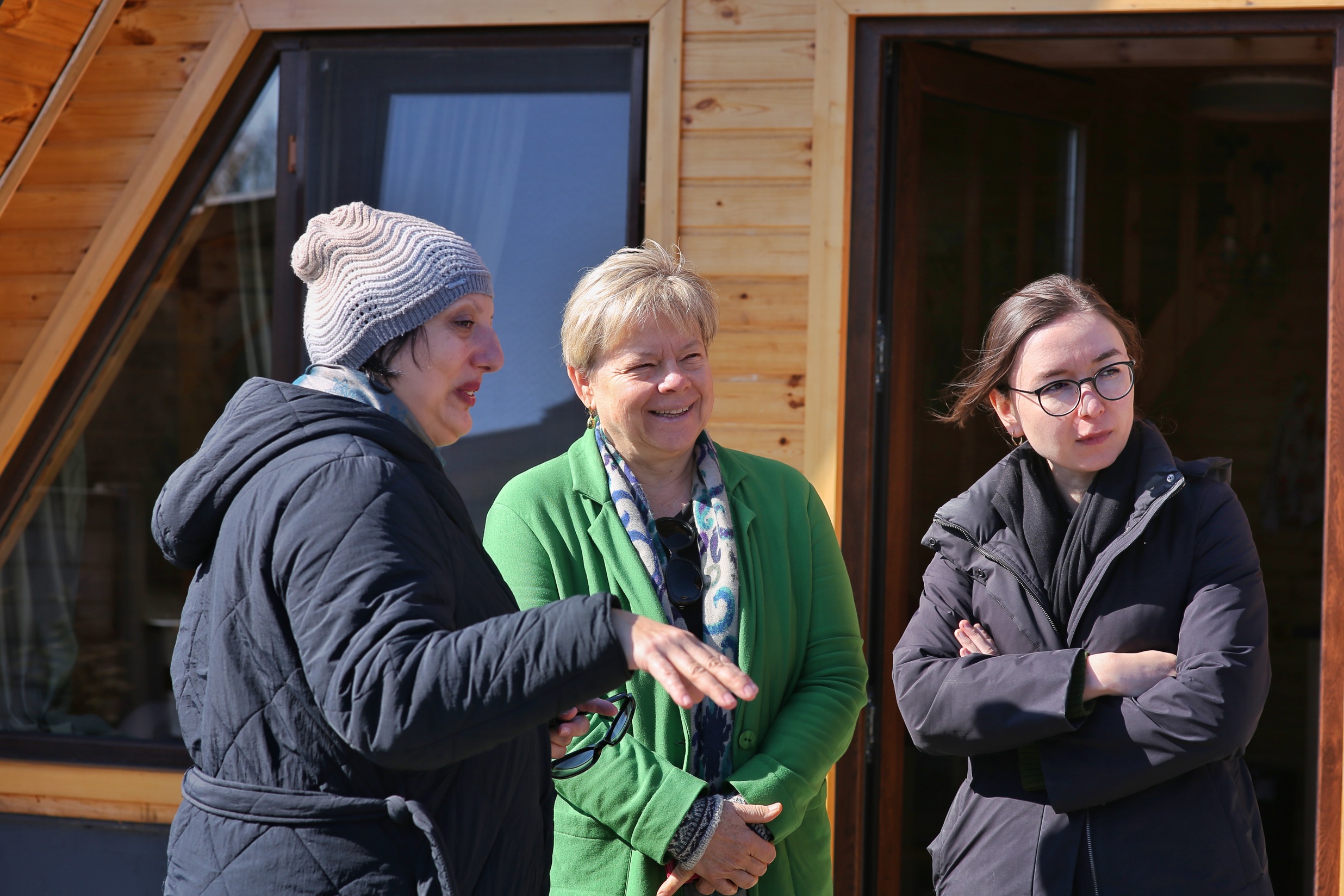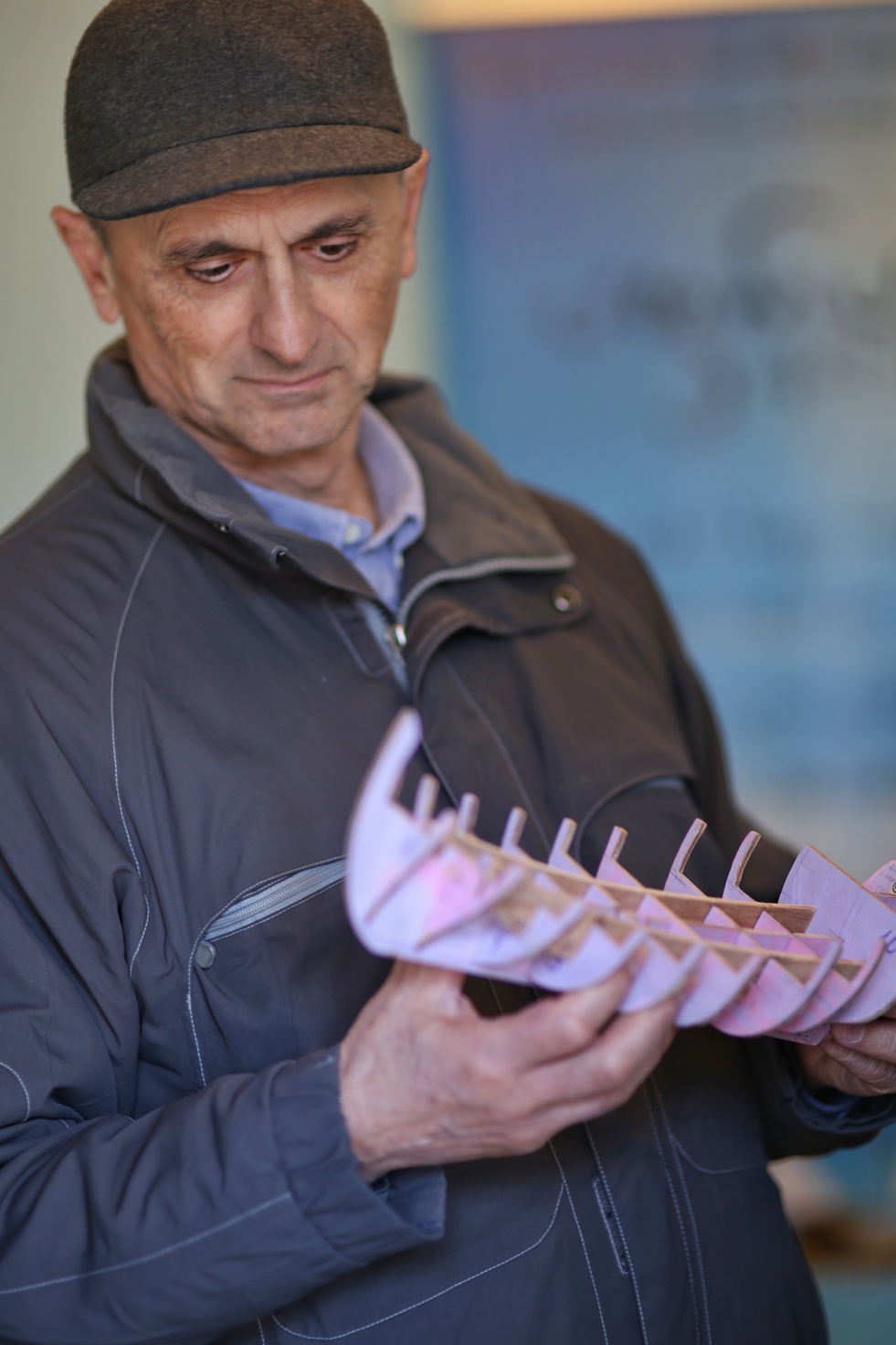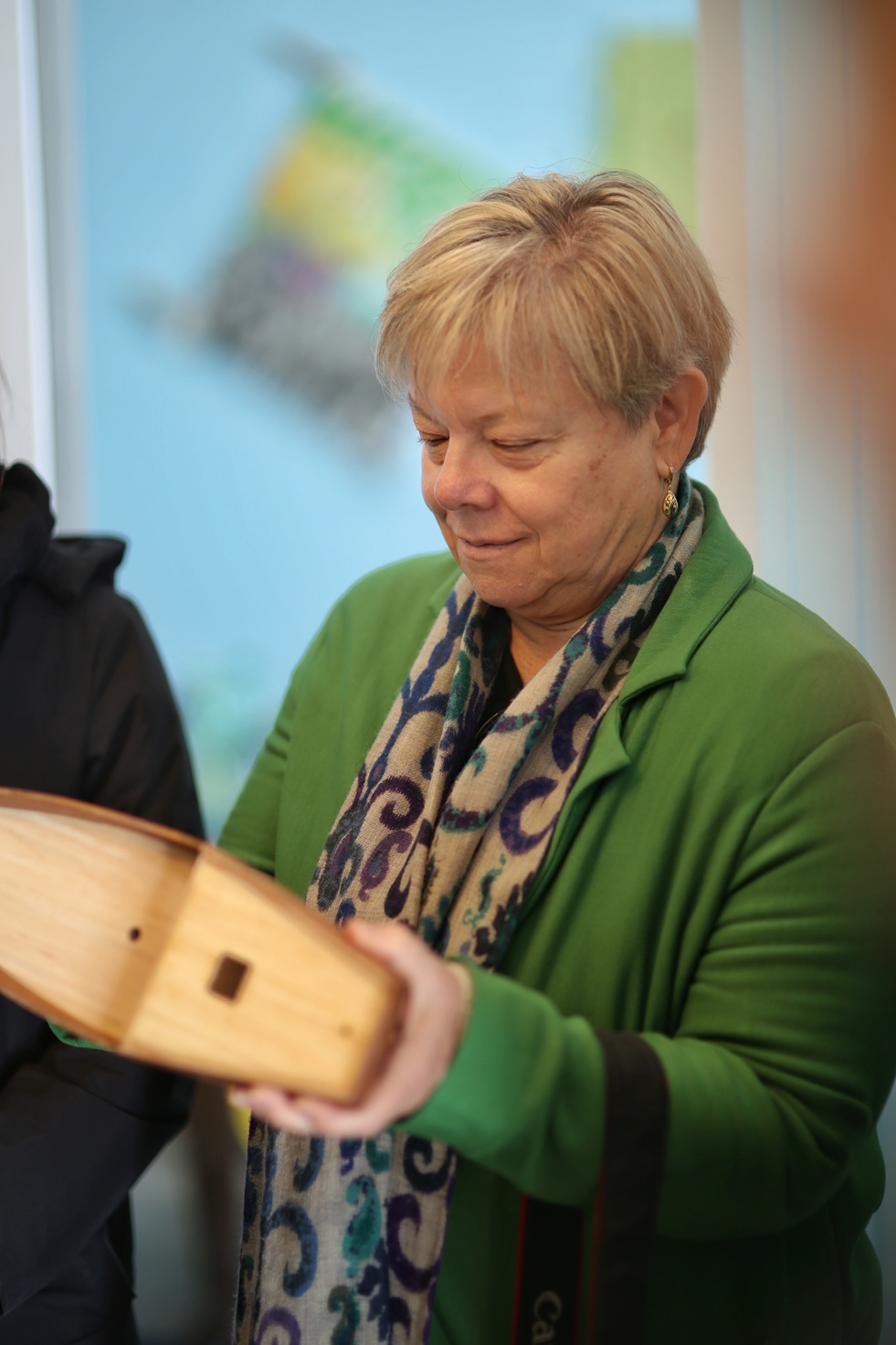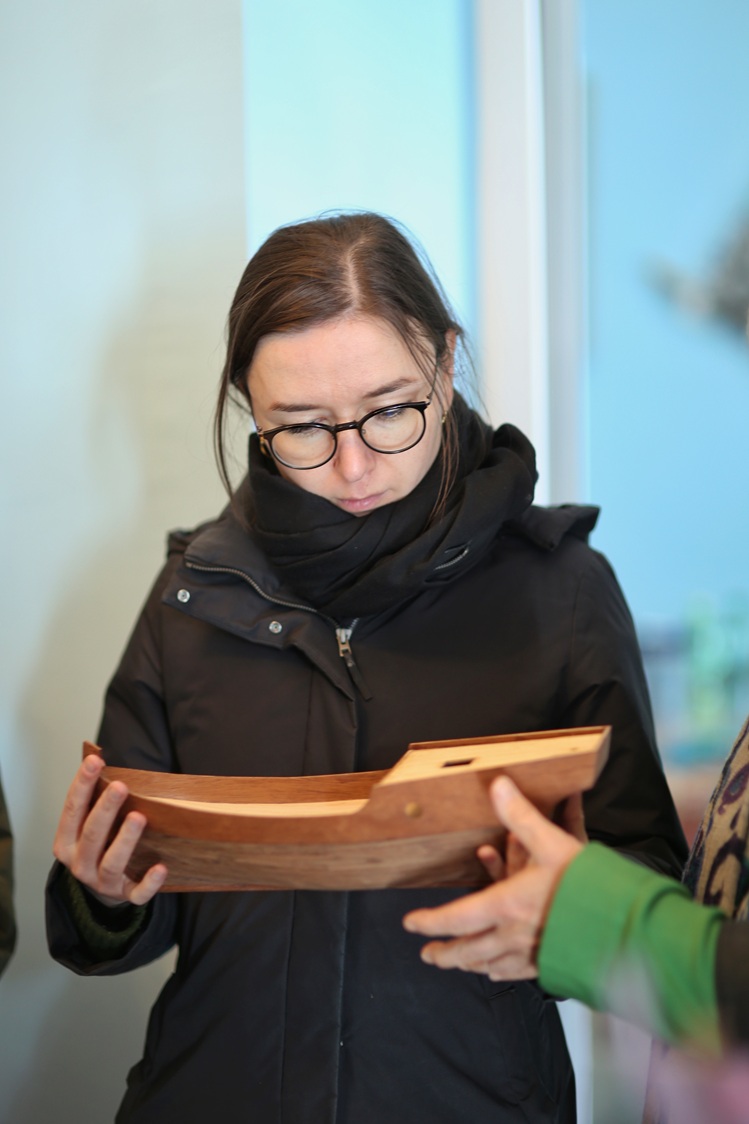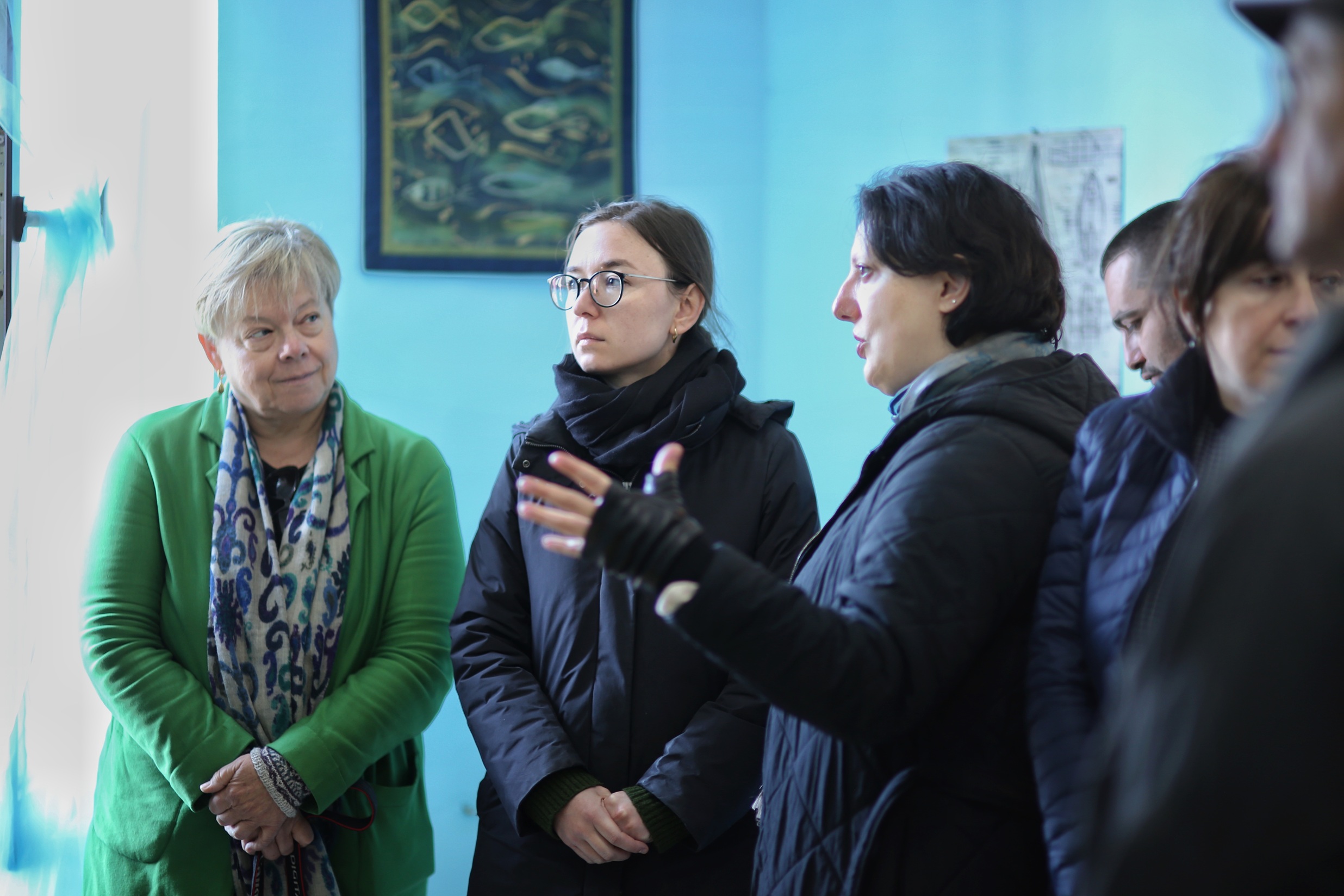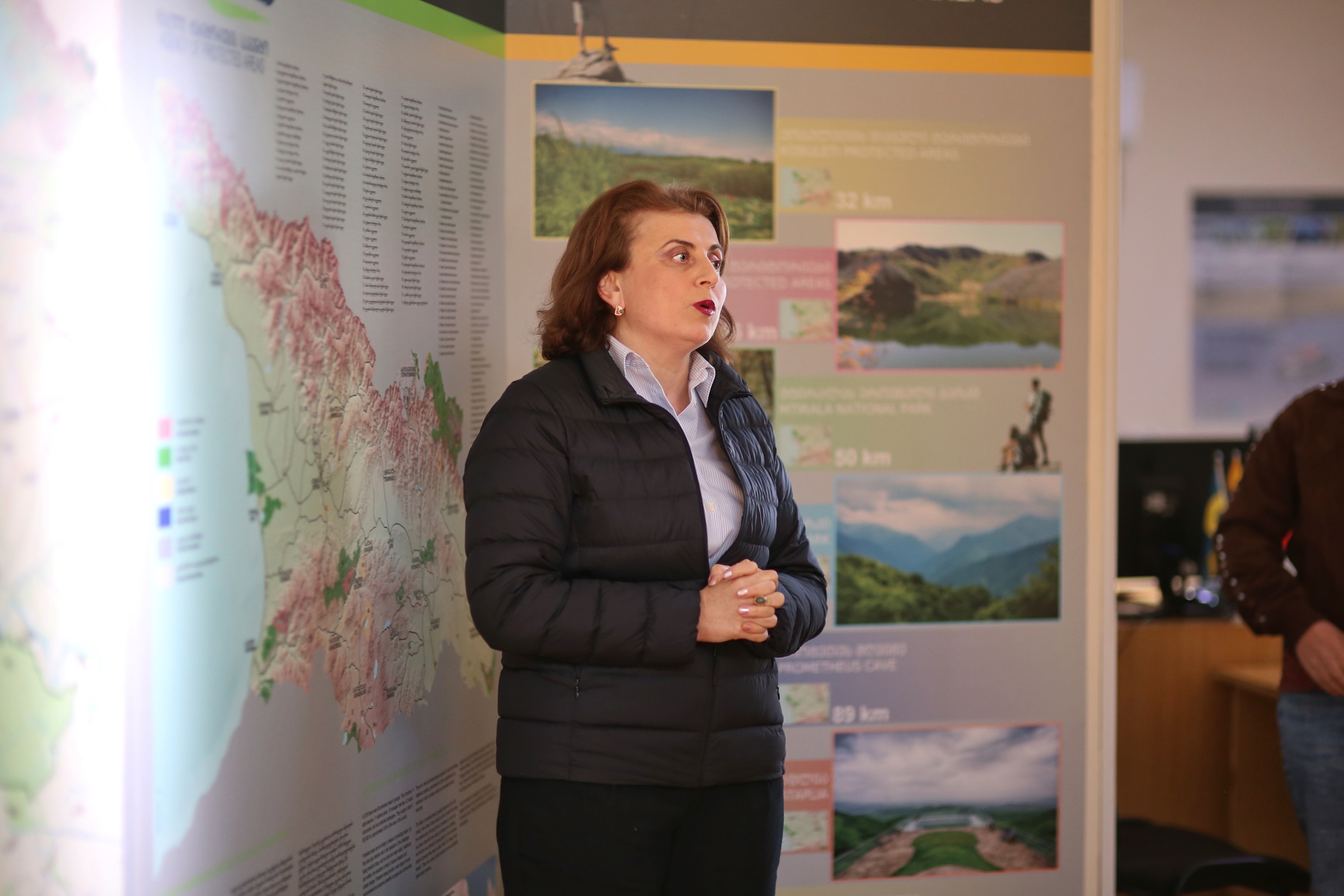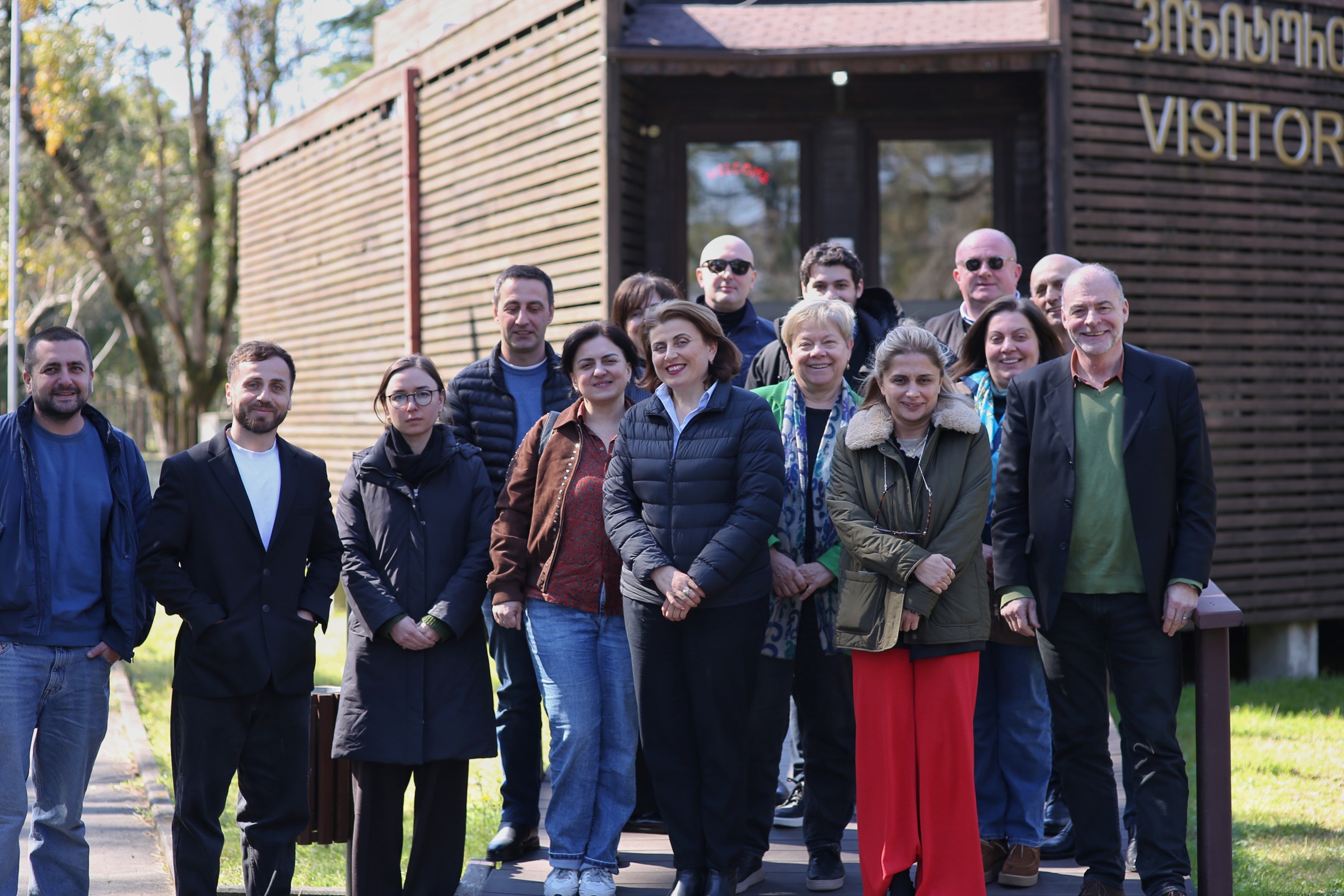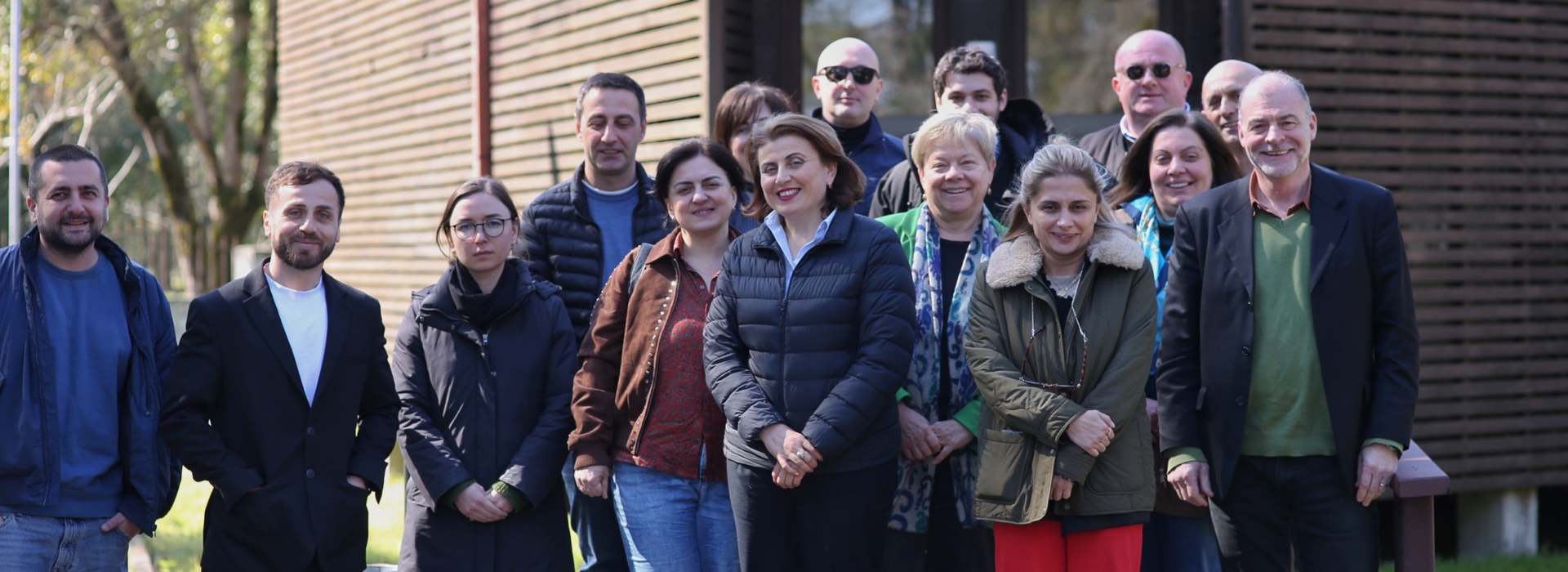


The SDC team visited Samegrelo and Guria to get acquainted with the progress of the project implementation. During the visit, they met with business owners, local government representatives and sector coordination platforms. Discussions focused on how the project contributes to local economic development by strengthening businesses, enhancing sector coordination and supporting intermunicipal cooperation.
The delegation visited the Growth Hub in Zugdidi, which connects local entrepreneurs with national programmes and provides business development services. They also visited small businesses in Poti, where tourism is slowly growing around Kolkheti National Park.
“Small tourism businesses play an important role in the development of eco-tourism – they create jobs, strengthen the local economy, and help reduce migration. We offer visitors a comfortable, nature-based experience in a peaceful riverside setting, with a variety of activities and opportunities for relaxation,” said Otar Dzneladze, founder of Kolkheti Eco Cottages “Livlivi”.
The visit also included a meeting with the Joint Coordination Council, which brings together representatives of municipal economic departments. The Council helps nearby municipalities work together to develop tourism around Kolkheti National Park as a shared destination. Discussions also addressed key challenges related to tourism development around the park.
“Through intermunicipal cooperation, the tremendous potential of Kolkheti National Park is being unlocked, turning it into a hallmark destination for both locals and travellers journeying across Georgia,” said Barbara Böni, Regional Director of Cooperation South Caucasus, Embassy of Switzerland in Georgia.
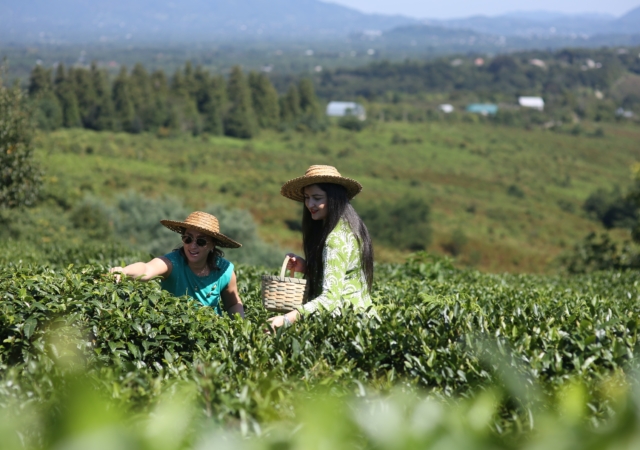
In Guria, the visit focused on the tea sector. Participants met with tea producers and members of the tea association “Georgia – the Republic of Tea,” established with project support. The discussions covered sector challenges and opportunities for collaboration.
The meetings and site visits highlighted that the project’s approach is based on helping build stronger connections between businesses, municipalities, and sector groups. Such coordination lays the foundation for more sustainable and coherent local economic development in the regions.
The Local Economic Project (LEDP) is mandated by the Swiss Agency for Development and Cooperation and implemented by Helvetas. The project supports municipal cooperation, the development of economic opportunities, and the enhancement of the private sector.