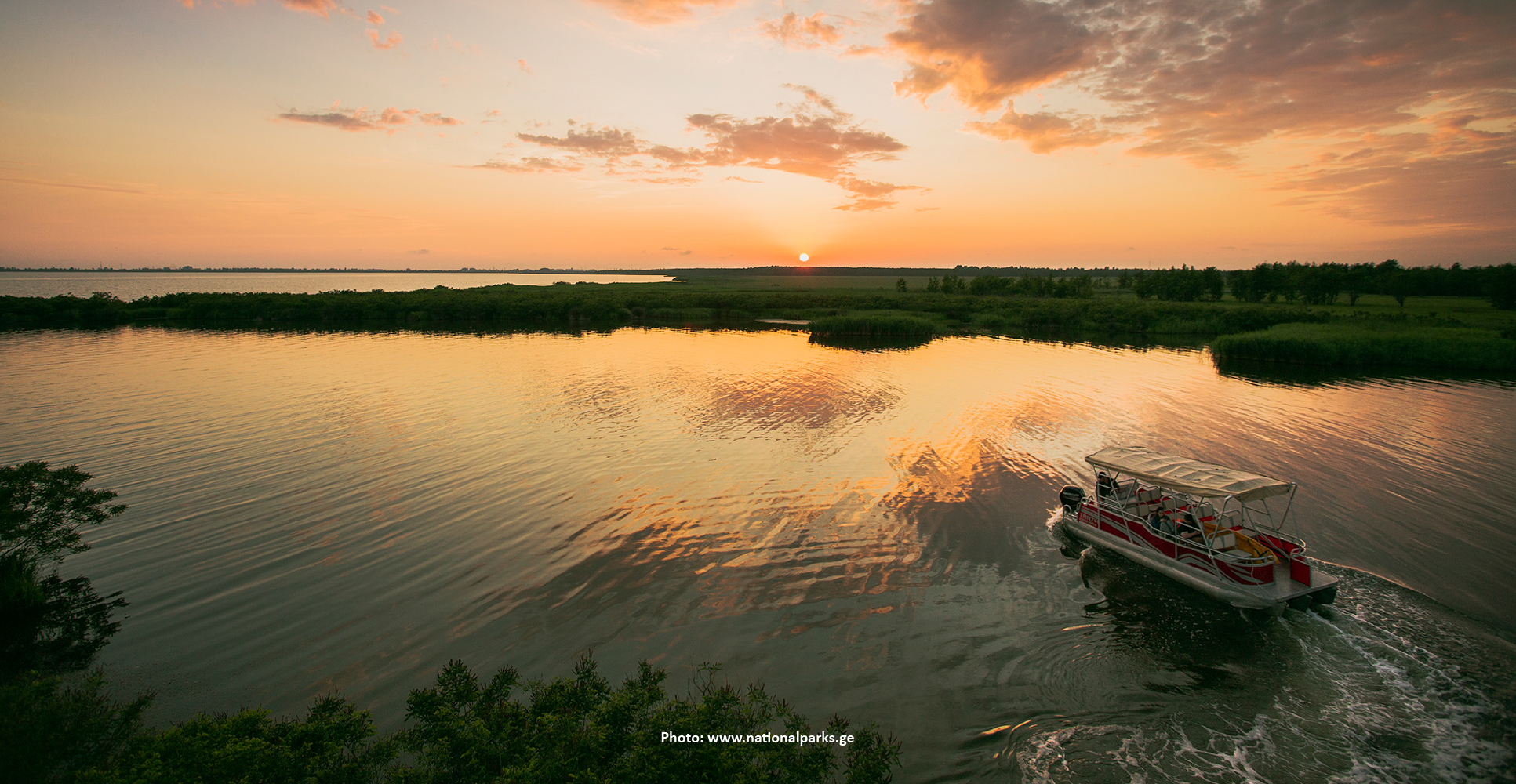



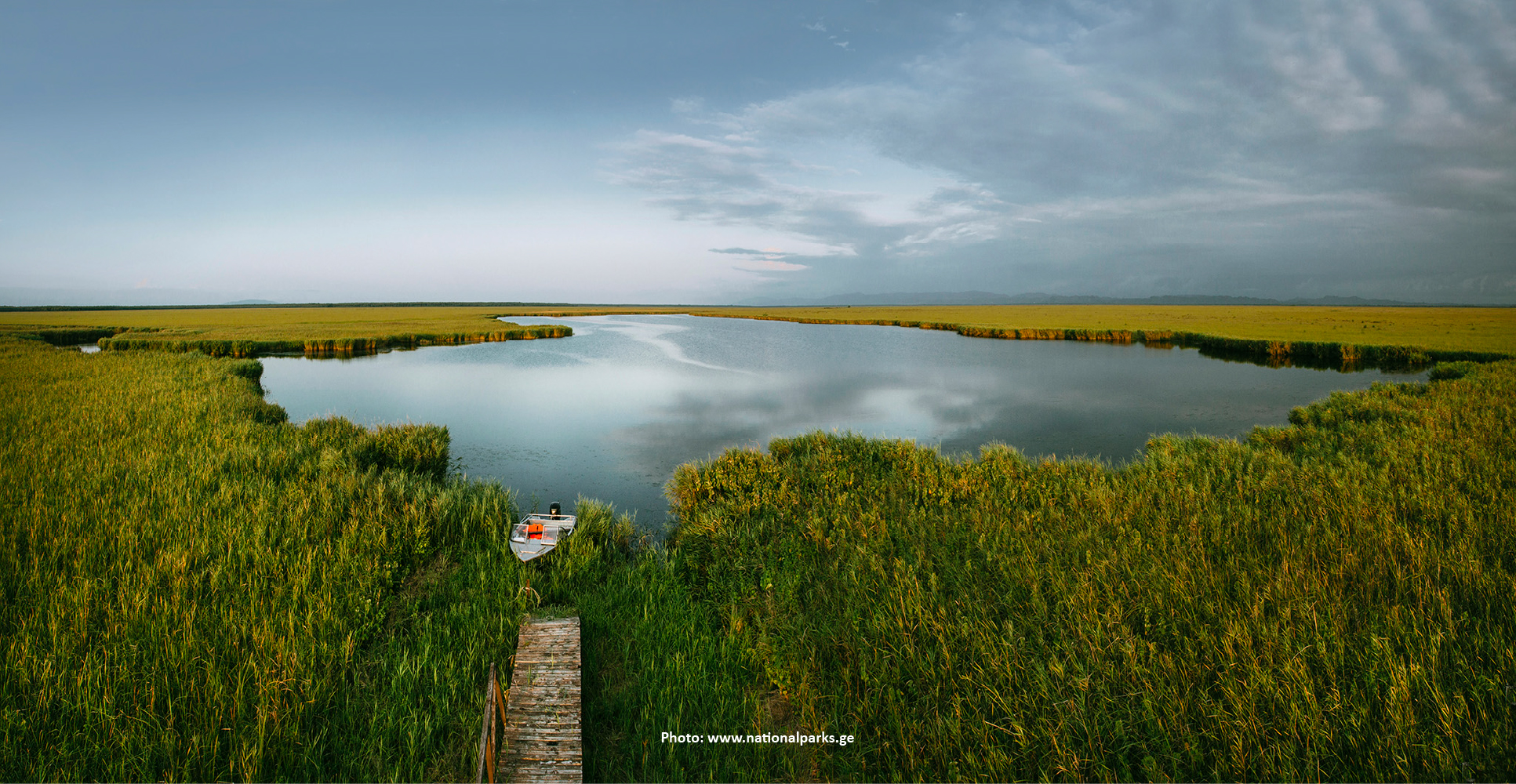
Tucked away in the heart of Samegrelo, Kolkheti National Park isn’t just a destination – it’s a hidden gem waiting to be discovered. With its vibrant wetlands, ancient Colchic forests, and the serene Lake Paliastomi, this park is primed to become Georgia’s flagship for sustainable ecotourism.
But Kolkheti’s potential goes beyond breathtaking views. It’s a place where nature, culture, and community intersect, offering visitors a chance to connect themselves in untouched beauty while empowering local economies.
Why Ecotourism in Kolkheti?
Samegrelo is perfectly positioned to become an ecotourism hotspot. Its unique biodiversity, rich traditions, and welcoming communities create a combination for travelers seeking meaningful experiences. Kolkheti National Park, a UNESCO World Heritage Site and a Ramsar Wetland of International Importance, is home to rare flora and fauna that draw nature enthusiasts from across the globe. Whether you’re spotting migratory birds or kayaking through mystical wetlands, every visit to Kolkheti feels like stepping into another world.
Unlike mass tourism, which often compromises natural environments, ecotourism emphasizes preservation. It creates opportunities for locals to develop eco-lodges, lead guided tours, and celebrate authentic Samegrelo culture – all while protecting the environment for generations to come.
More than just a tourist attraction, Kolkheti represents a pathway to sustainable economic growth and community development. However, realizing its full potential requires strategic planning, innovative ideas, and strong collaboration.
Supporting Ecotourism Development in Samegrelo
Recognizing the ecotourism potential of Kolkheti National Park, the Local Economic Development Project (LEDP) launched a targeted initiative last year aimed at promoting ecotourism in the Samegrelo region. In the initial phase, a rapid assessment of the region’s economic and ecological landscape was carried out, revealing Kolkheti National Park as an underutilized yet strategically vital resource. With its unparalleled ecological, cultural, and historical significance, the park stands as a cornerstone for sustainable development and a key driver for the region’s future growth.
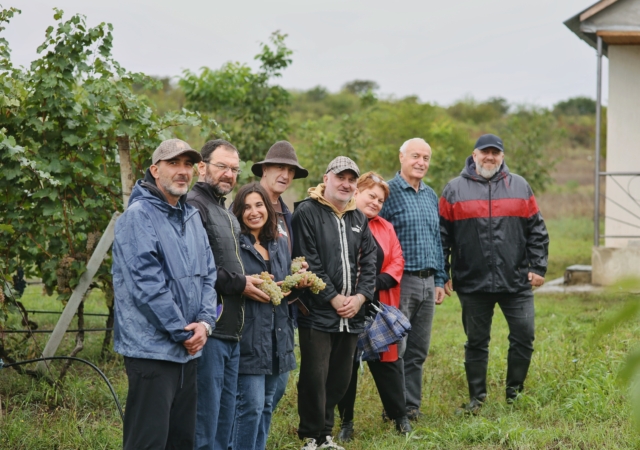
In 2024, the project organized a series of meetings with local stakeholders. These workshops highlighted ecotourism as the most promising sector among Samegrelo’s potential growth areas, offering a unique balance between environmental preservation and economic advancement. However, several significant challenges were identified, including fragmented data, insufficient infrastructure, limited collaboration among municipalities, and weak coordination with Kolkheti National Park management. Additionally, a disconnect between tour operators and local businesses further hindered progress. These issues underscore the pressing need to foster trust and develop strategies that are tailored to local priorities and needs.
A Collaborative Approach
The location of Kolkheti National Park connects several municipalities – Zugdidi, Poti, Khobi, Senaki, Abasha and Lanchkhuti – making it a key focal point for inter-municipal collaboration. Through close cooperation among these municipalities, involvement of the private sector and the establishment of a unified vision, it will be possible to highlight the strengths of each municipality surrounding the park, fully utilize their tourism potential, and foster connections that drive significant economic outcomes.
The Local Economic Development Project (LEDP) actively supports strengthening collaboration at the local level, building capacity, and identifying and implementing economic initiatives. To achieve this, in 2025 the project will focus on the following key areas:
- Strengthening collaboration: enhancing coordination and rebuilding trust among adjacent municipalities, the Kolkheti National Park administration, and private sector representatives to foster a shared vision and effective partnerships.
- Identifying and addressing gaps: conducting detailed research to identify existing gaps in infrastructure, accessibility, and service quality. The project will also develop specific recommendations to effectively address these challenges.
- Empowering the private sector: providing local businesses with training and expertise to support the development of eco-friendly services and improve competitiveness in broader markets.
LEDP’s initiatives aim to promote sustainable development, fully realize the region’s economic potential, and economically empower local communities.
The project is funded by the Swiss Agency for Development and Cooperation (SDC) and implemented by the HELVETAS Swiss Intercooperation and WINS Global Consult consortium.