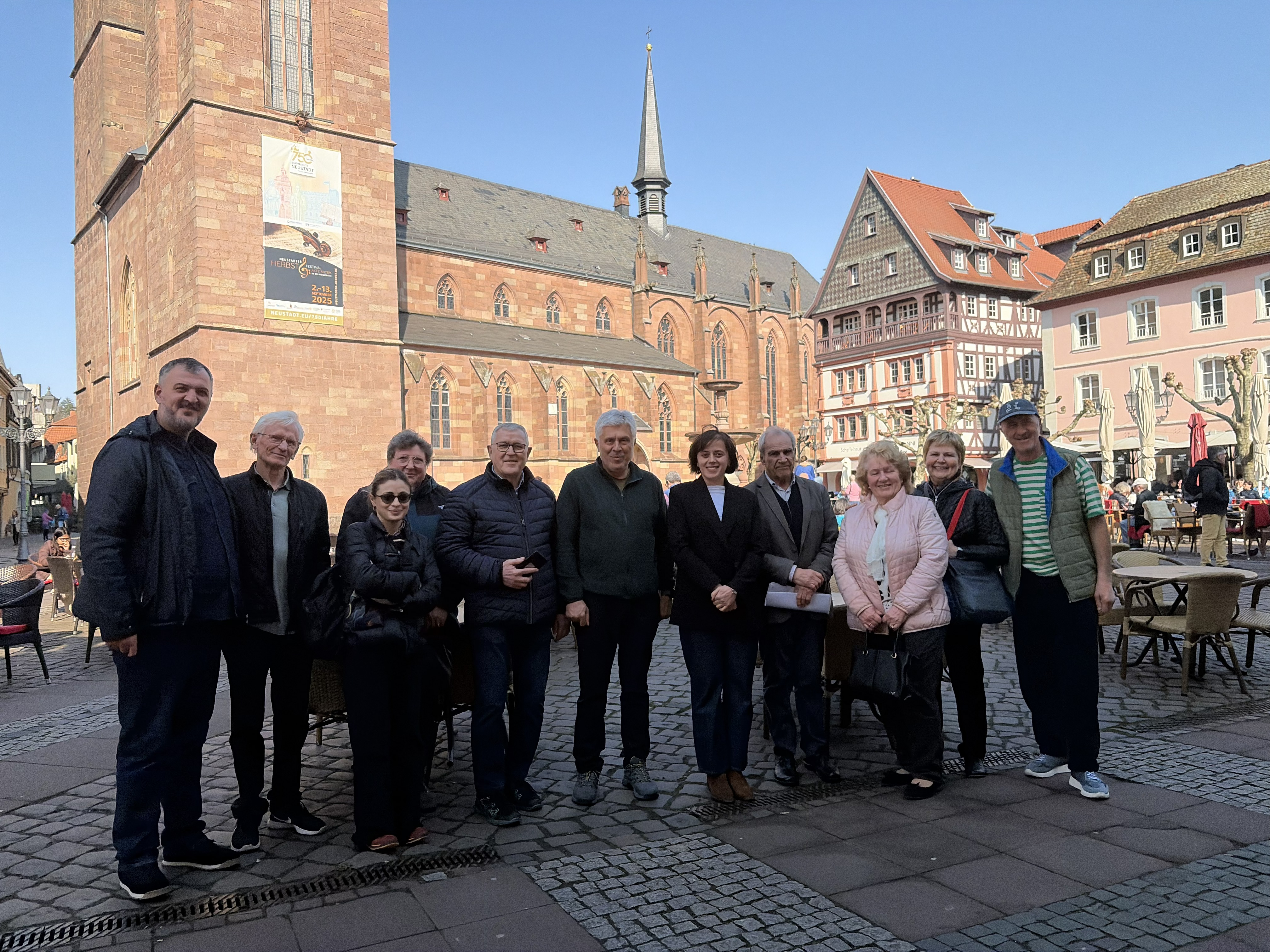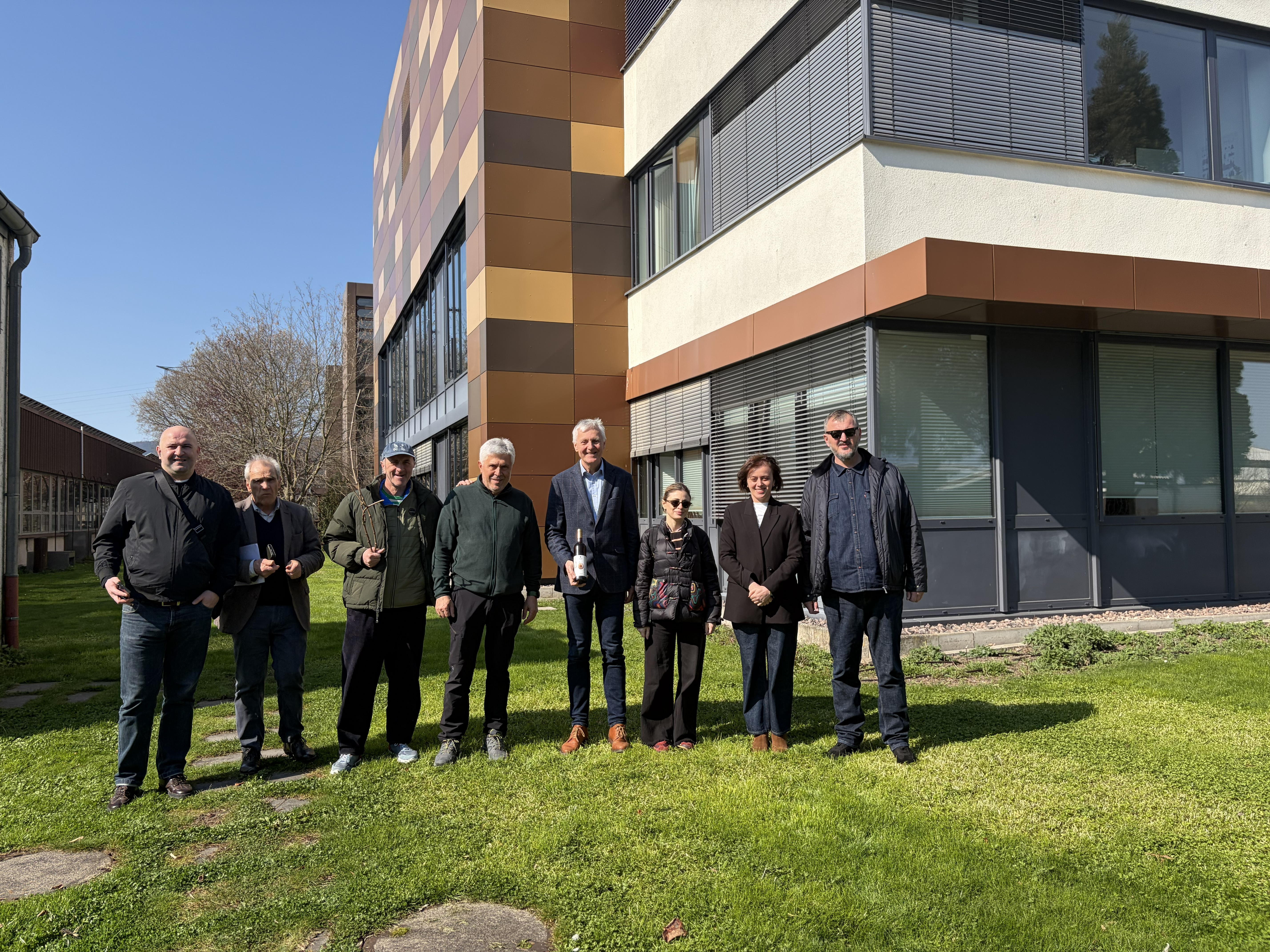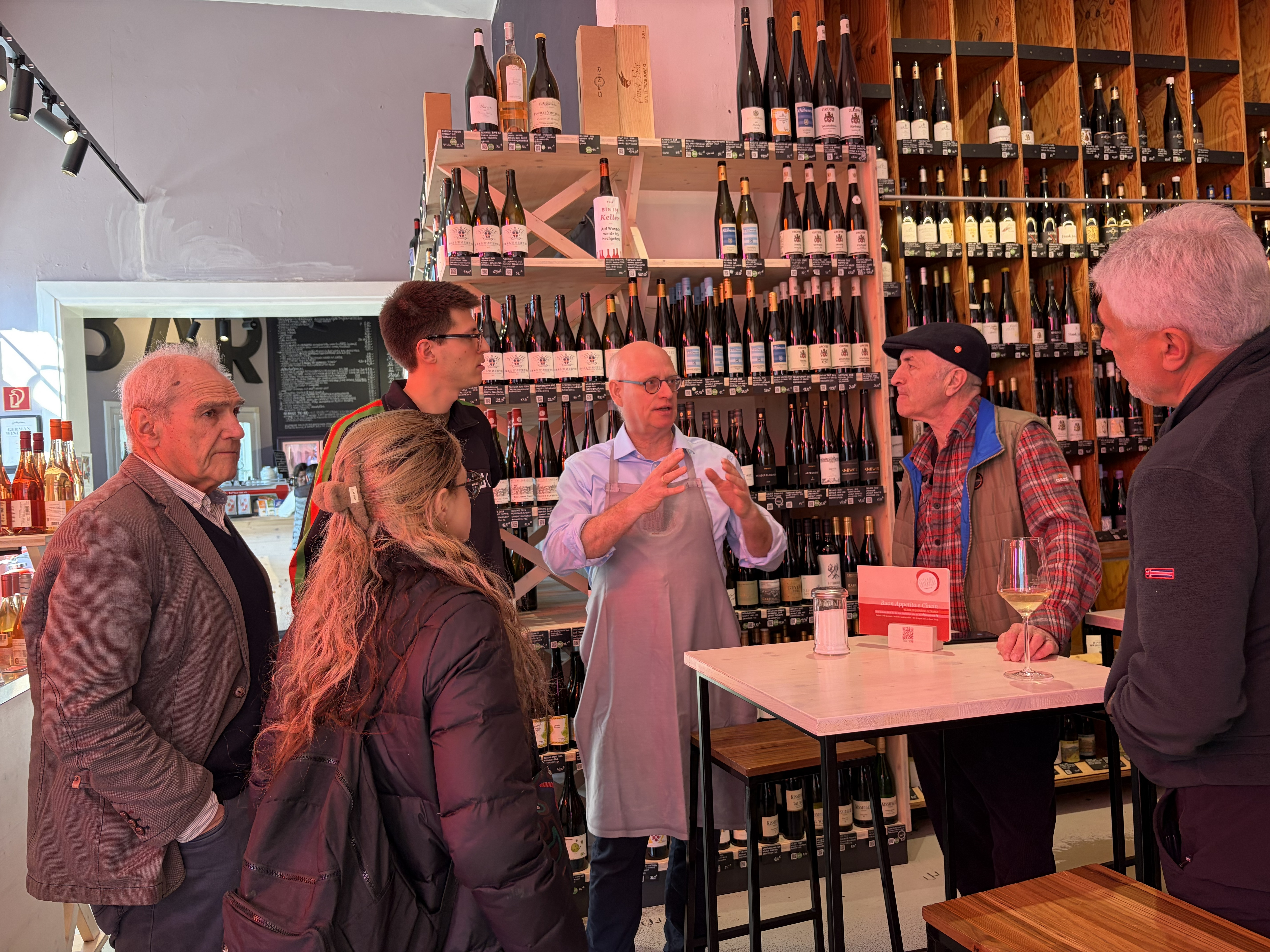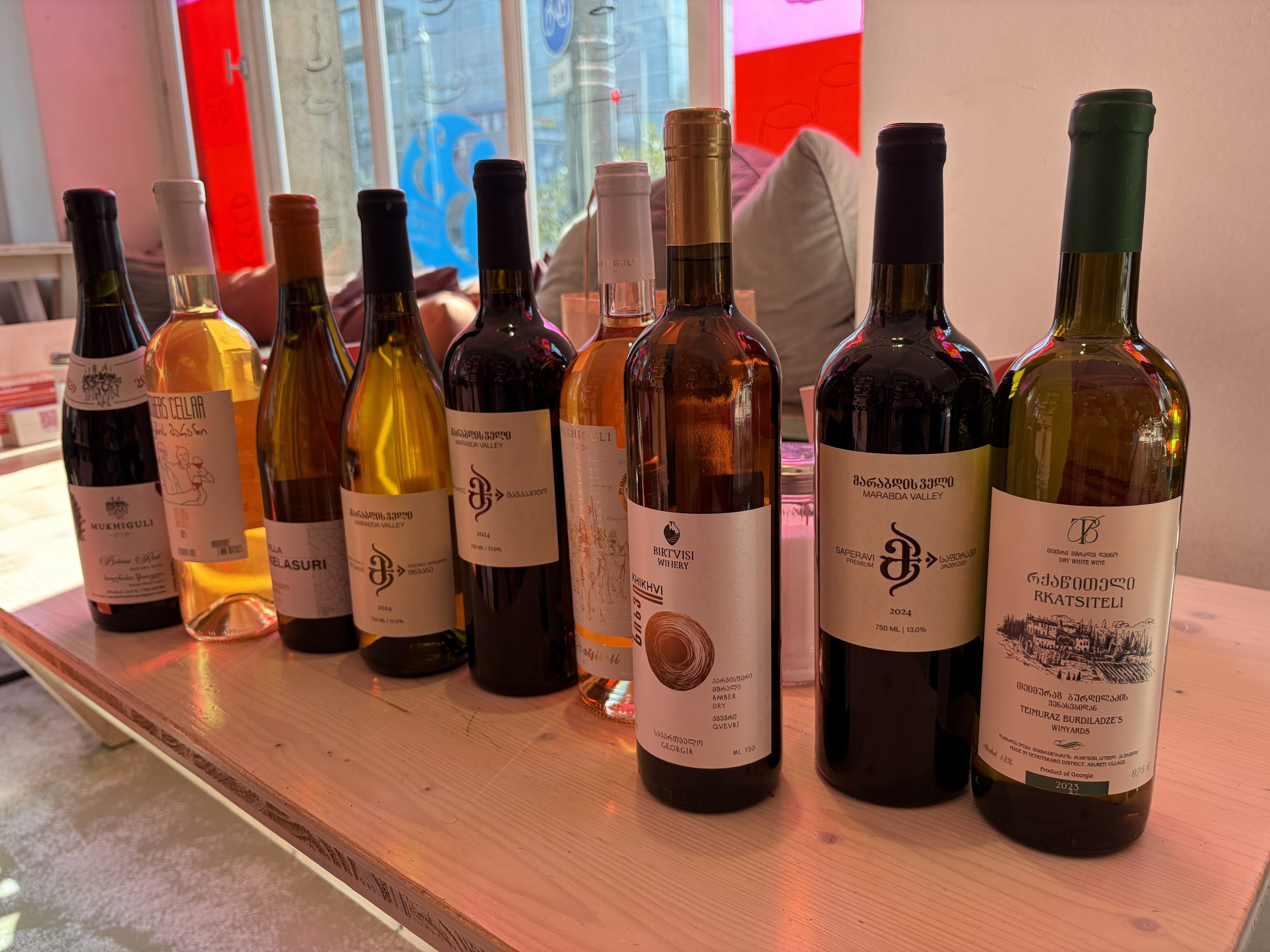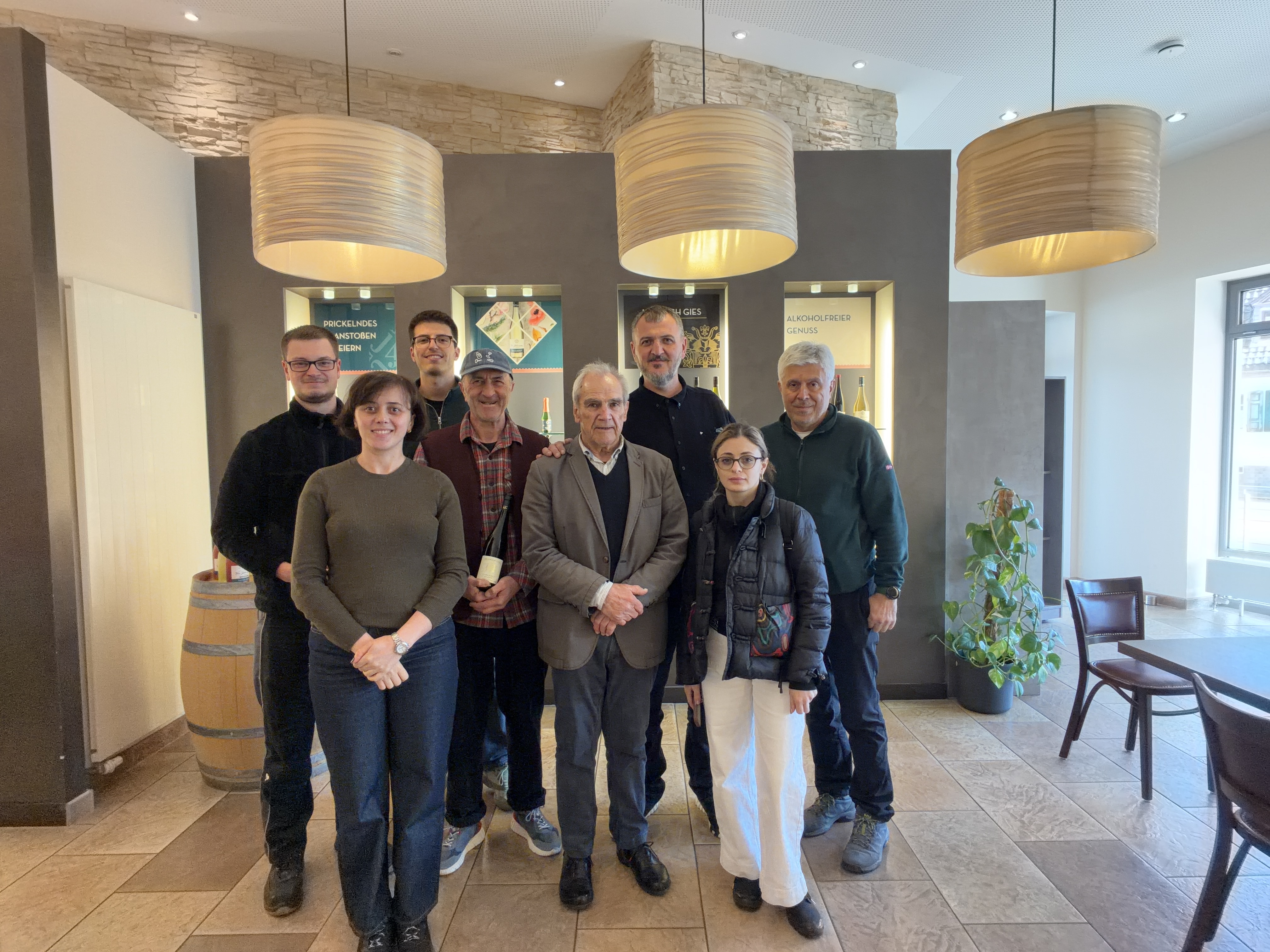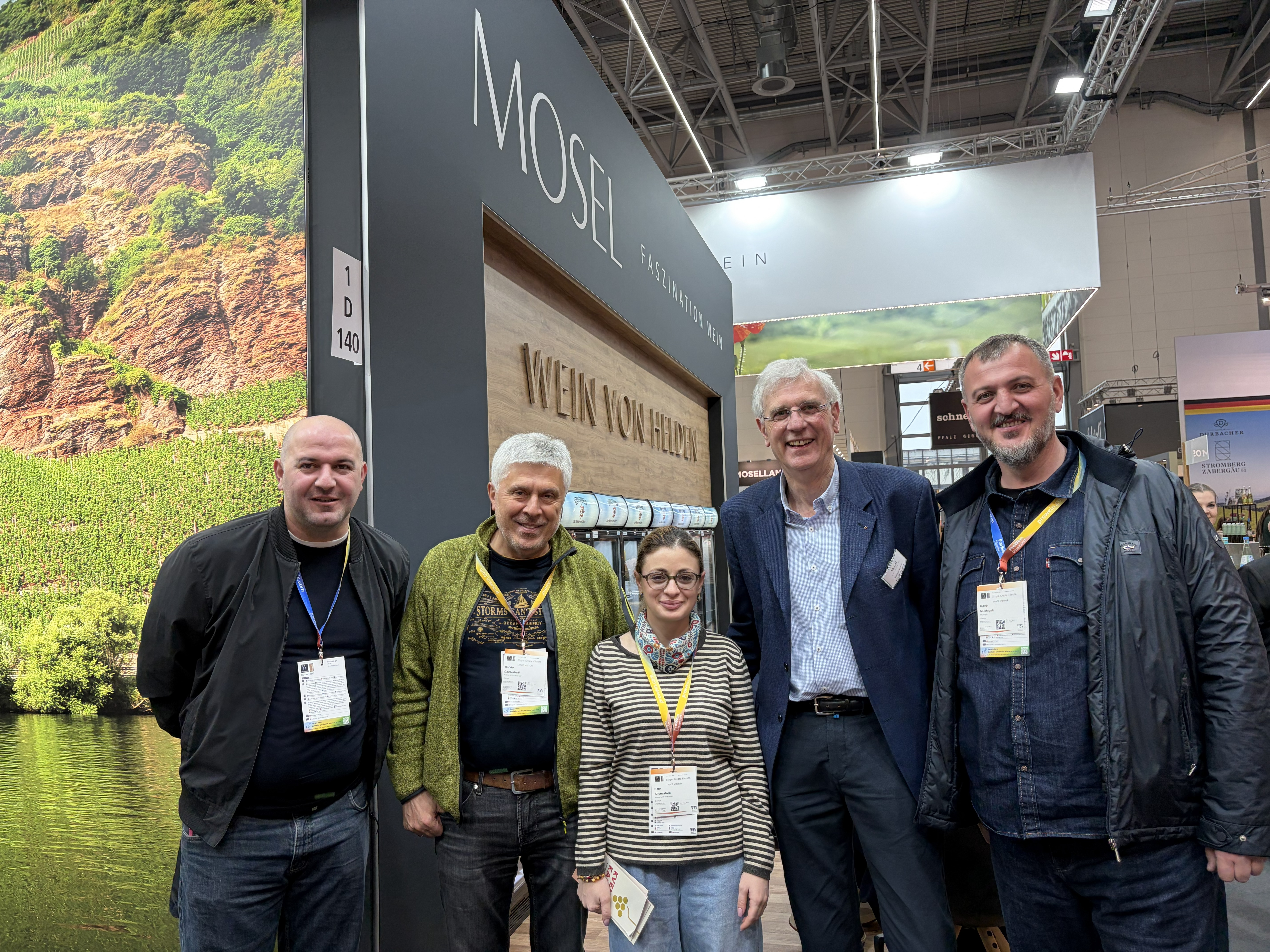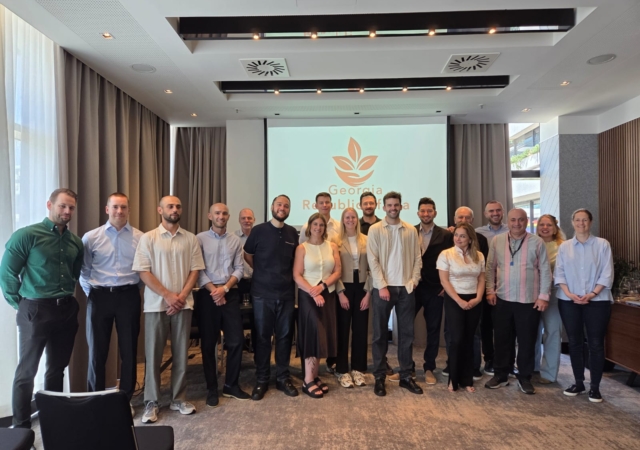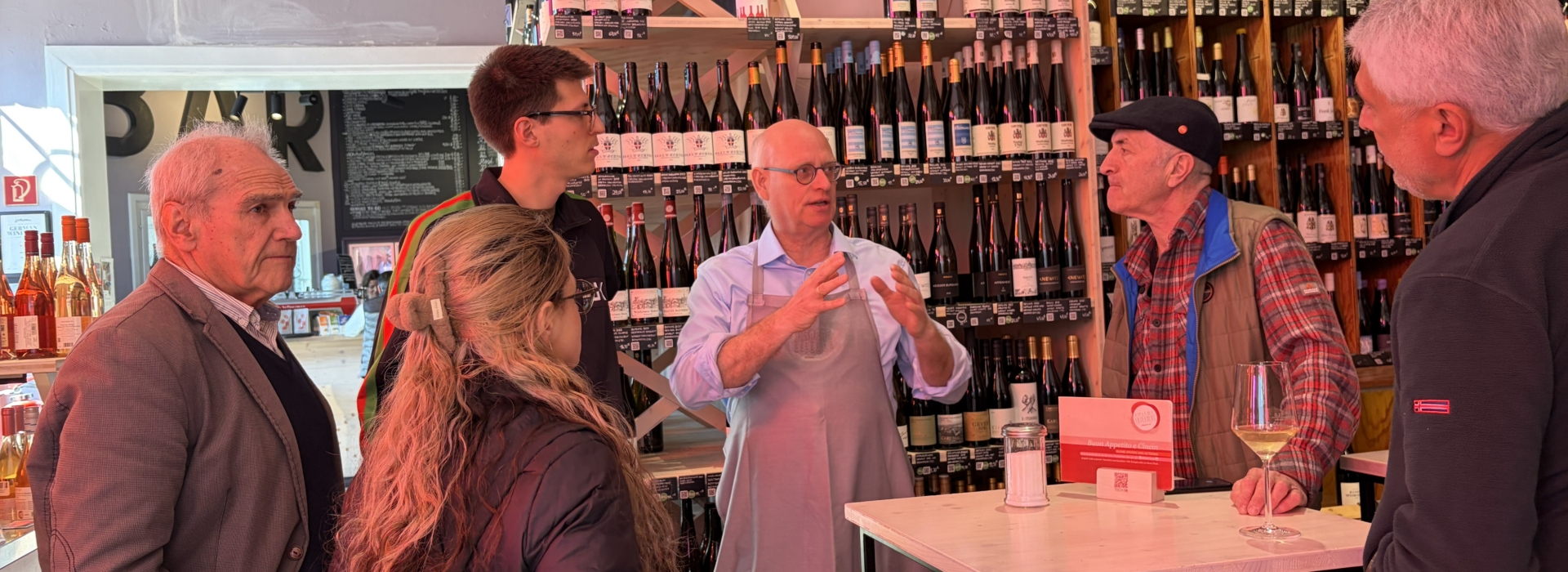


Members of the Kvemo Kartli Wine Union, winemakers, and representatives of local municipalities took part in a study visit to Germany. The visit responds to a key need in the region’s wine sector – to strengthen collaboration, improve coordination, and establish more unified approaches.
The aim of the visit was not only to gain insights, but also to observe practical models of how a strong wine sector operates when producers work together in a coordinated and collaborative way.
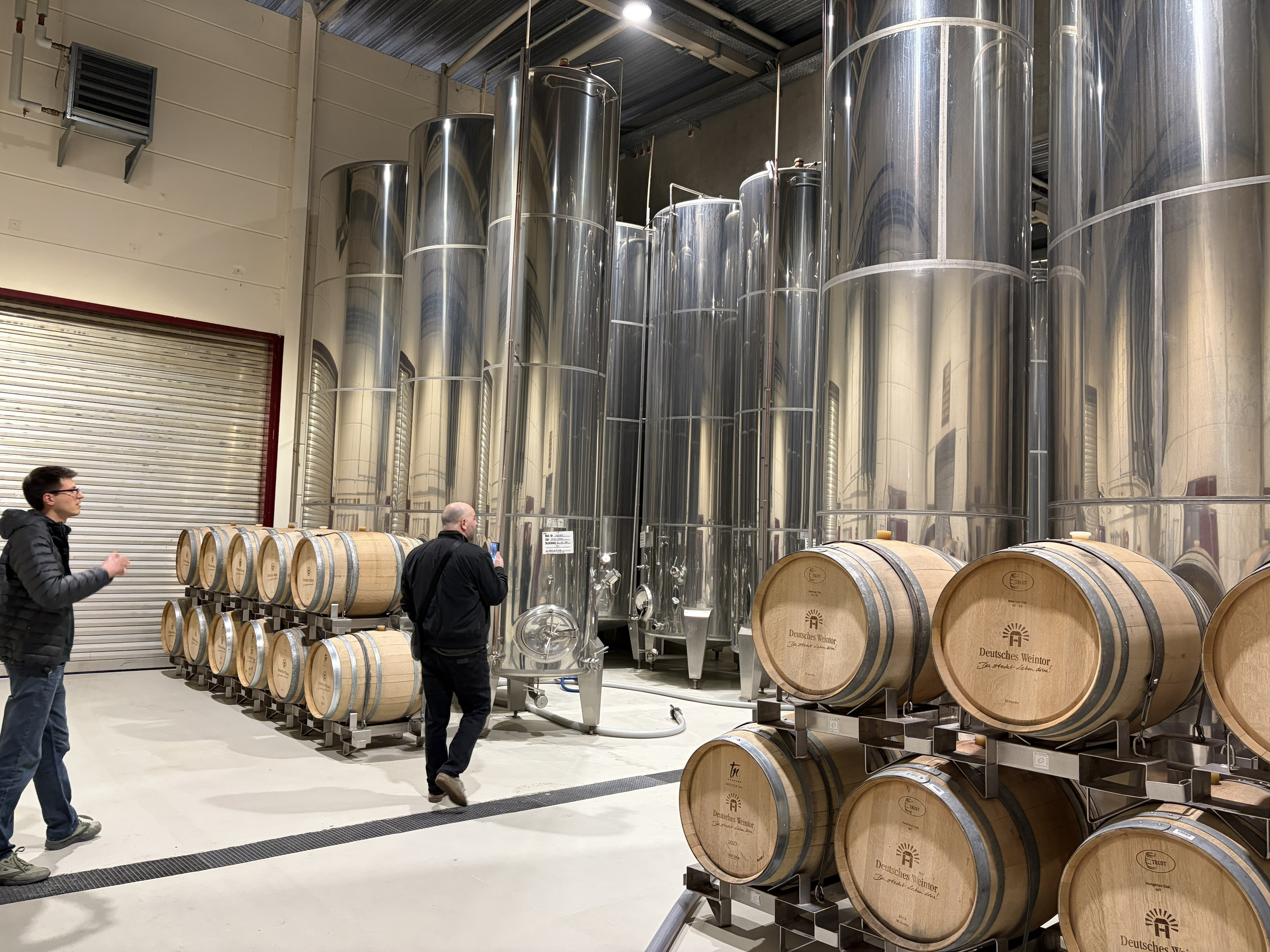
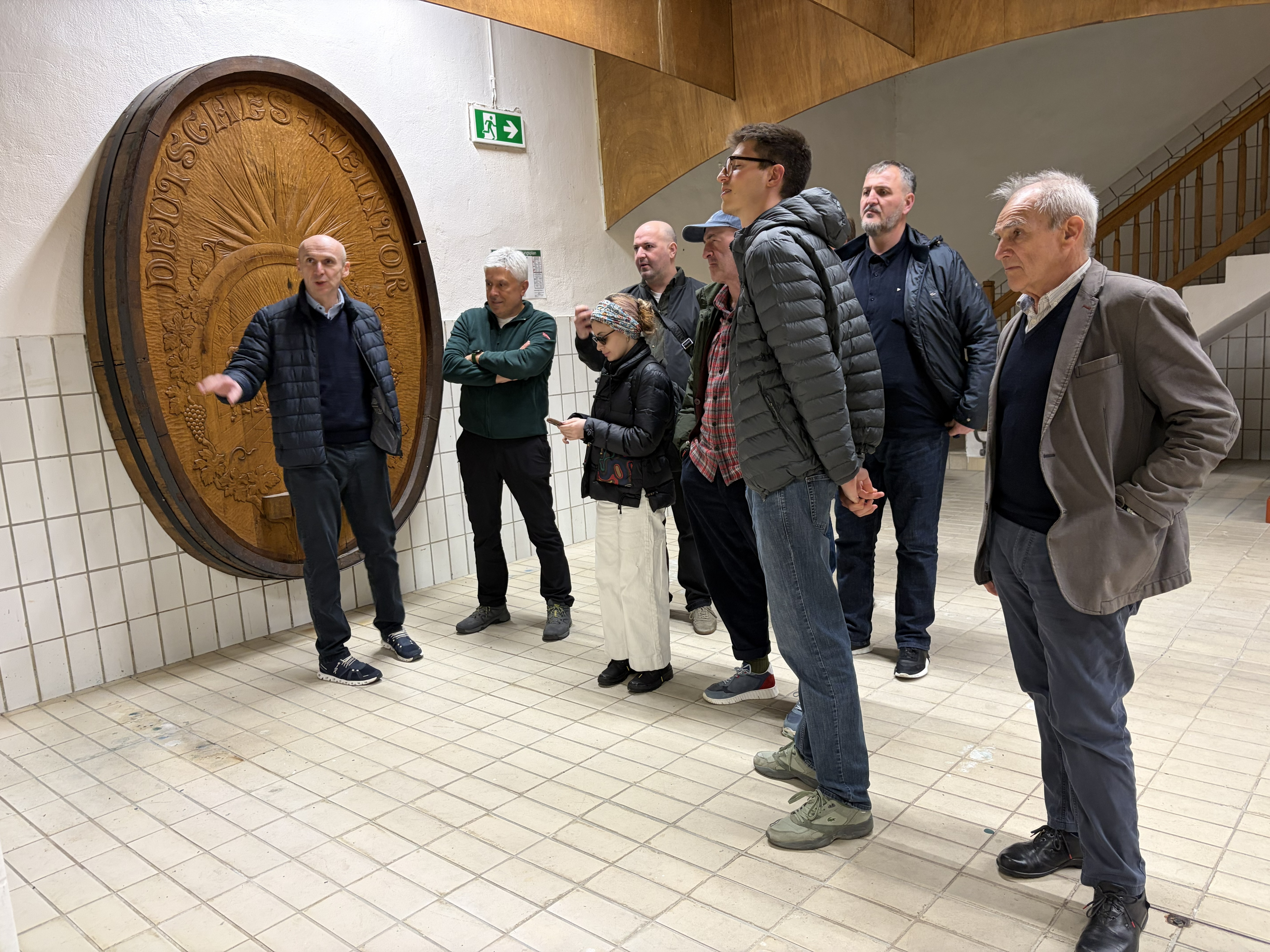
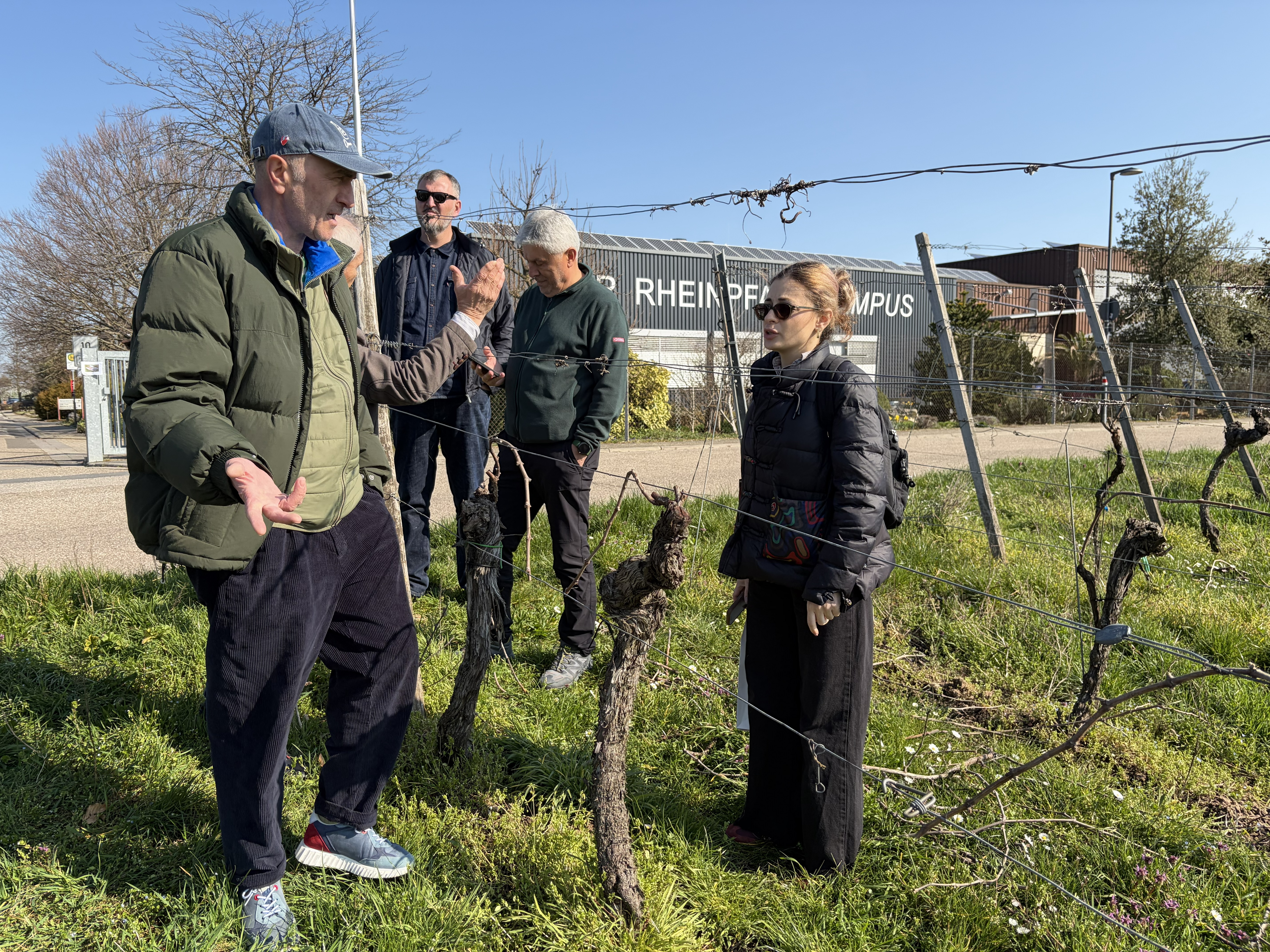
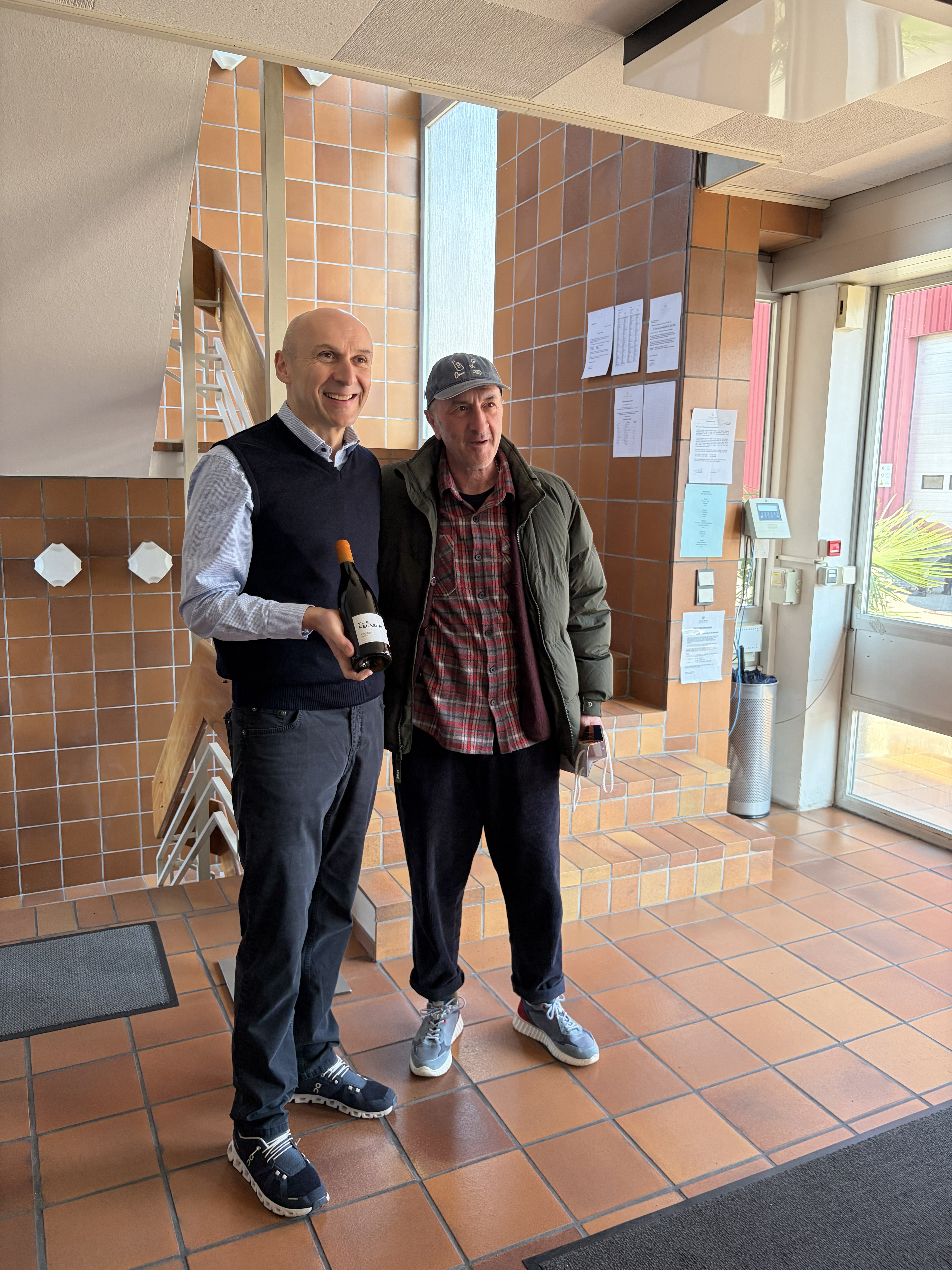
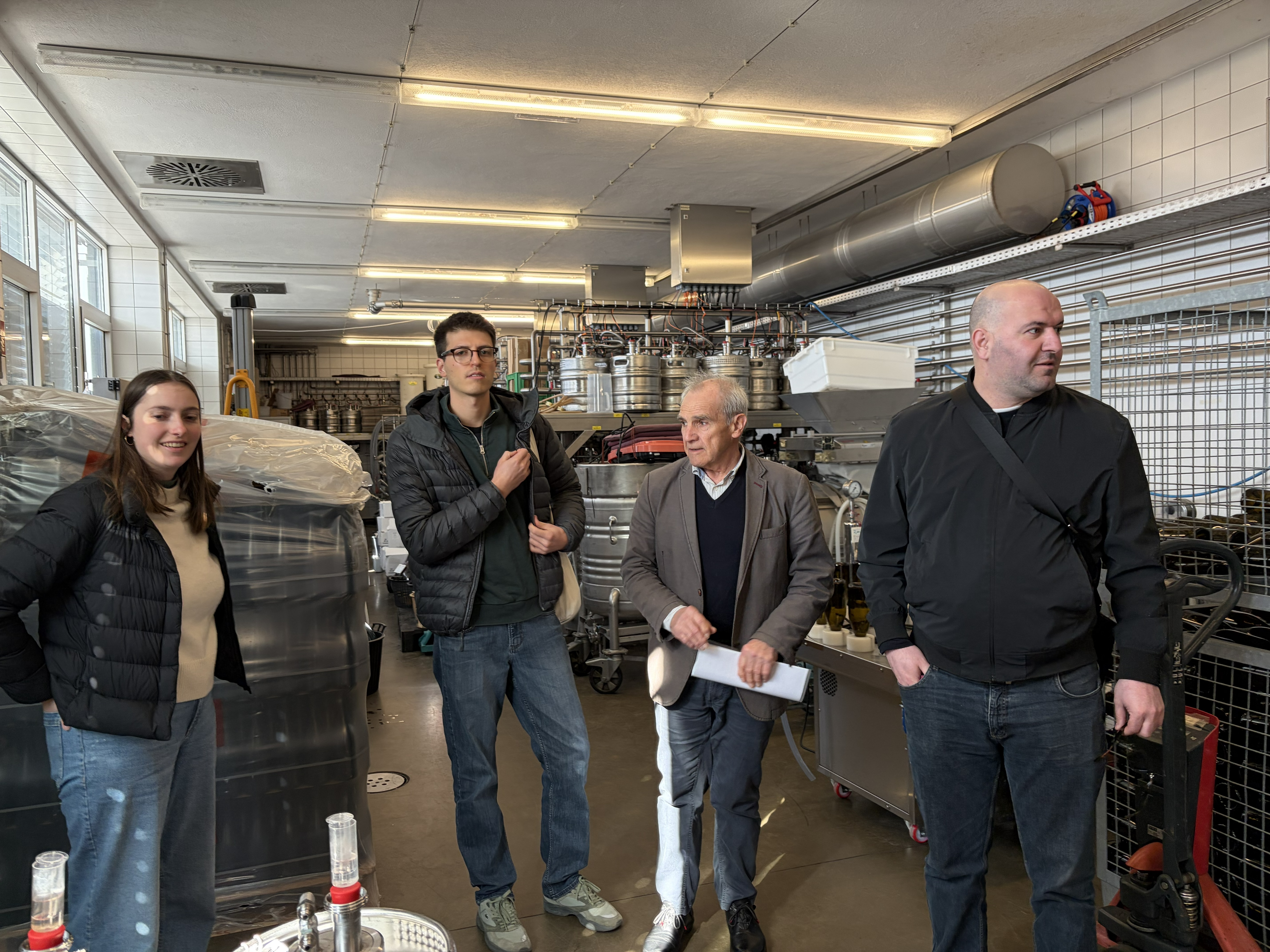
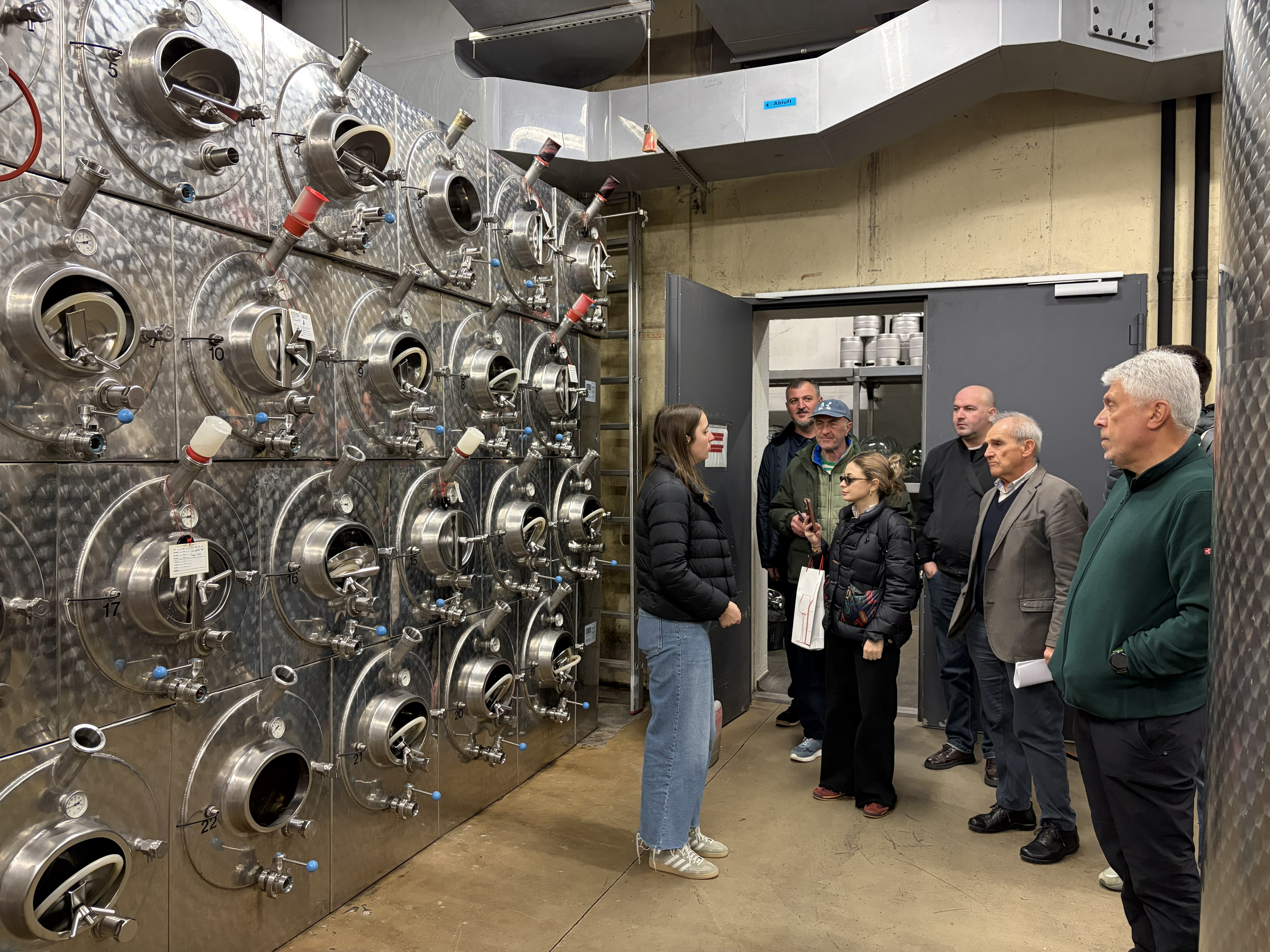
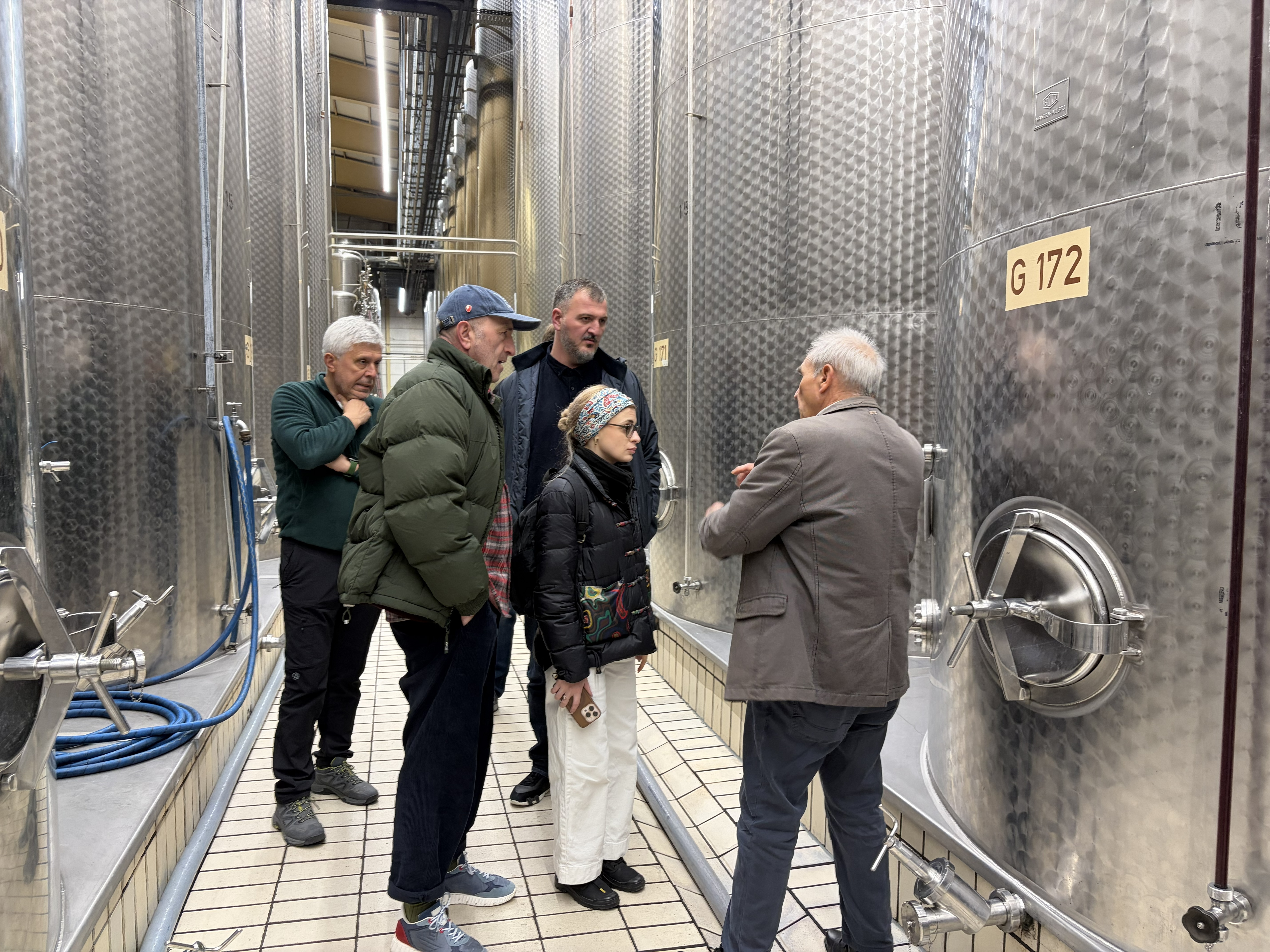
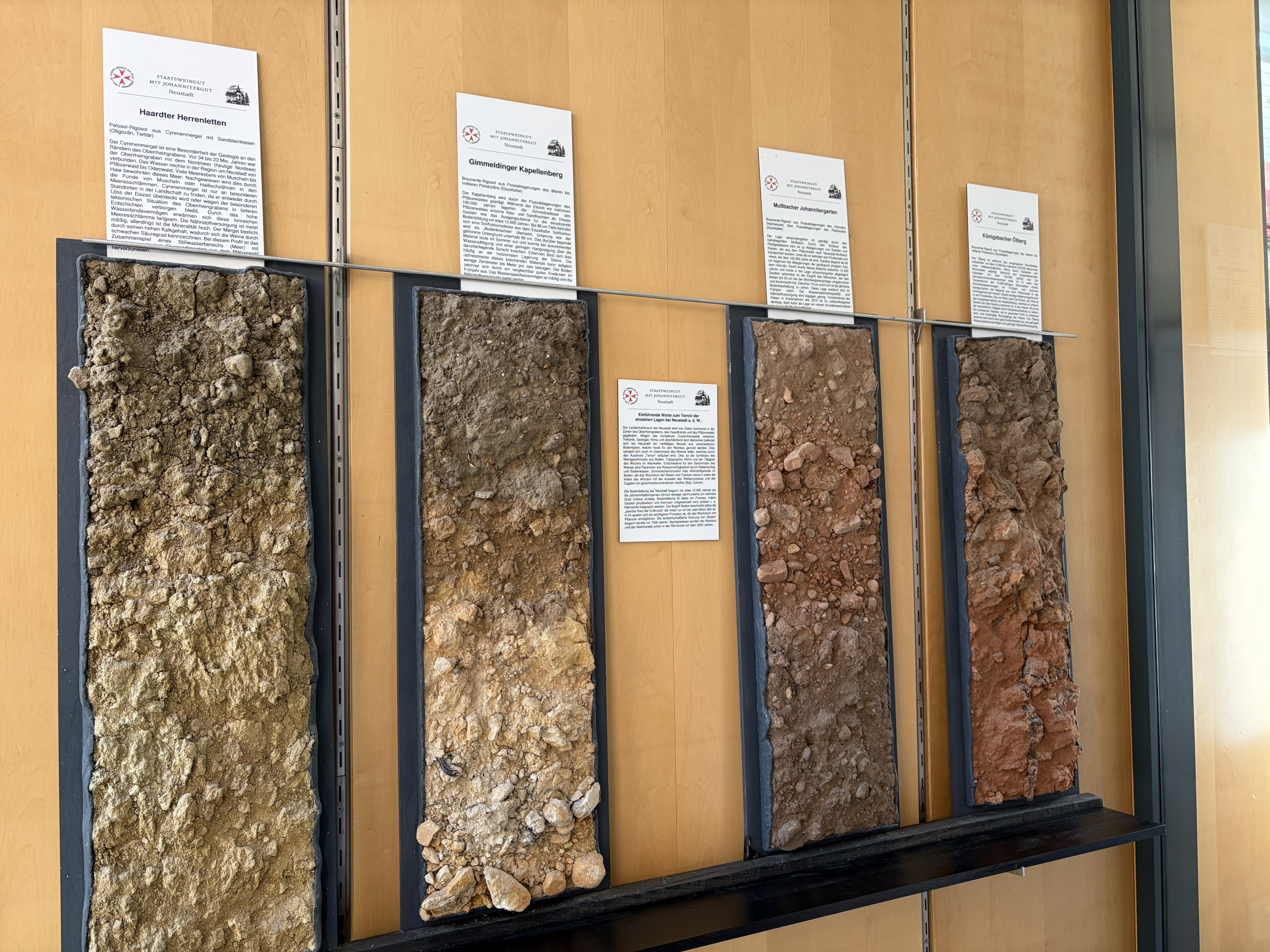
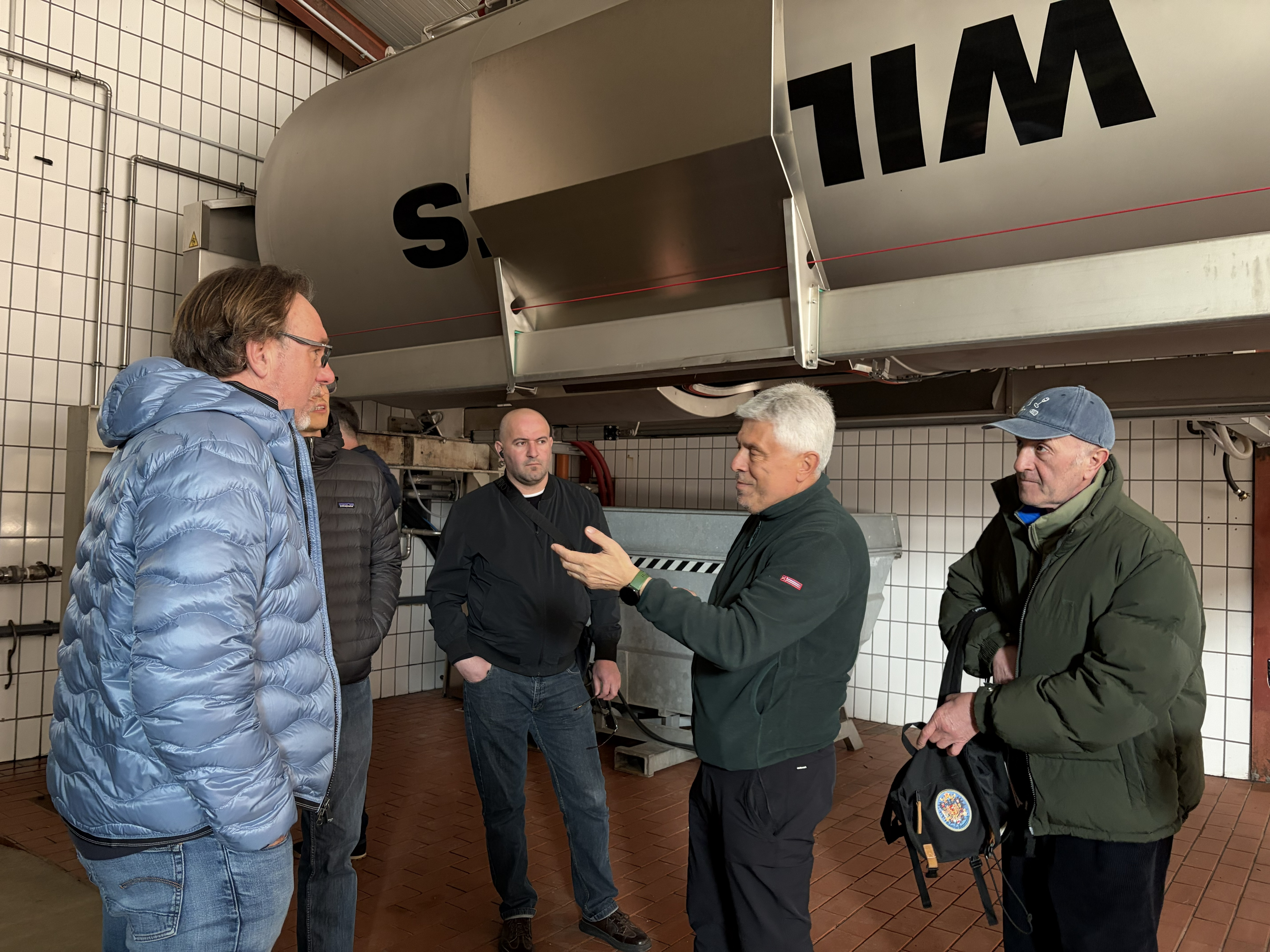
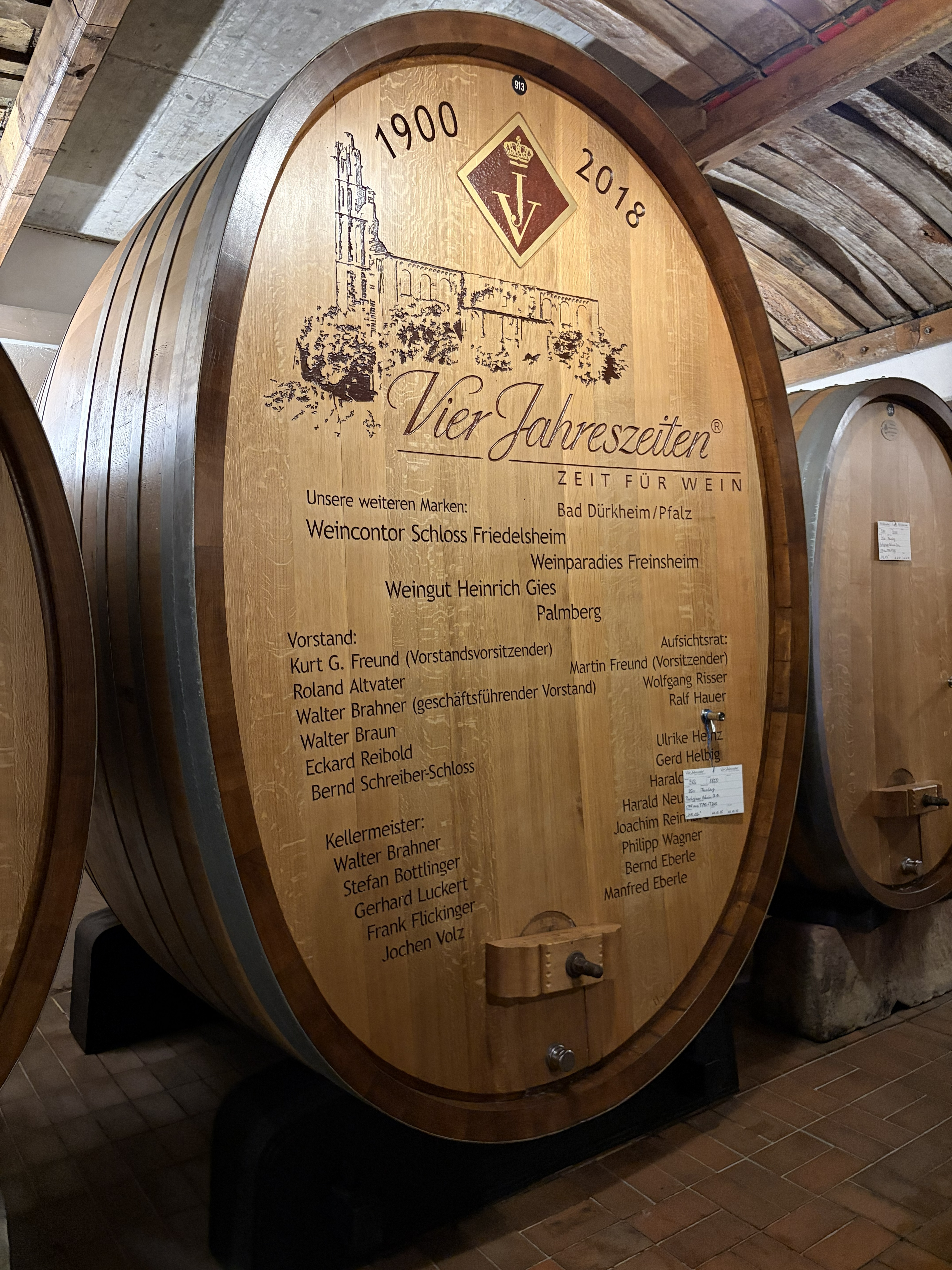
As part of the programme, the delegation visited wine cooperatives in the Rhineland-Palatinate region. They learned how small and large producers are integrated within a single system, how regional identity is preserved, and how competitive products are developed for both local and international markets.
This experience comes at an important moment, as the wine sector in Kvemo Kartli is actively strengthening and producers are increasingly coming together.
“It was very important for us to see how all of this works in practice – how the union is organised, how decisions are made, and how the sector evolves over time. This gives us concrete ideas on how we can further strengthen the Kvemo Kartli Wine Union,” said Nato Altunashvili, Director of the Union.
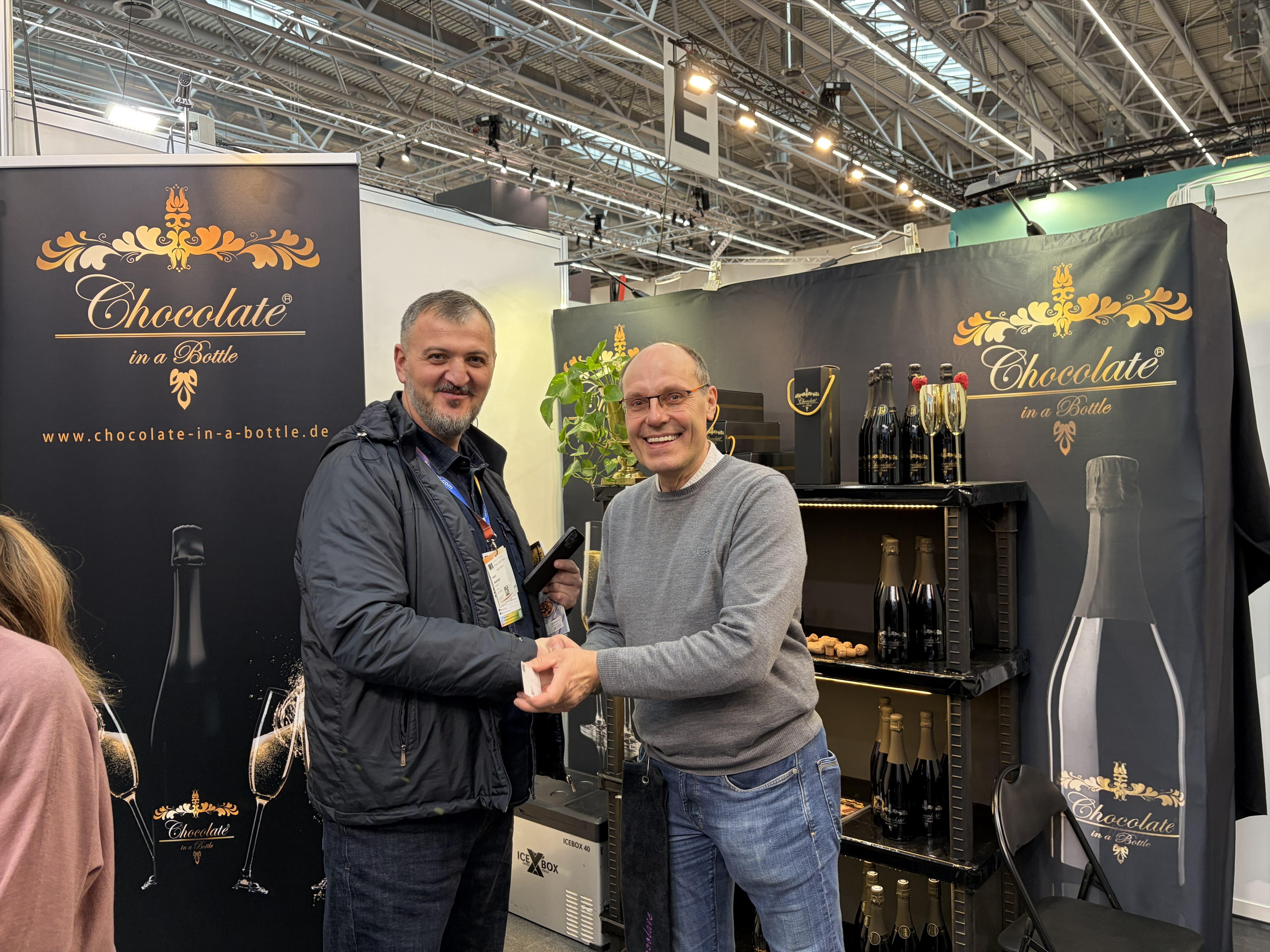
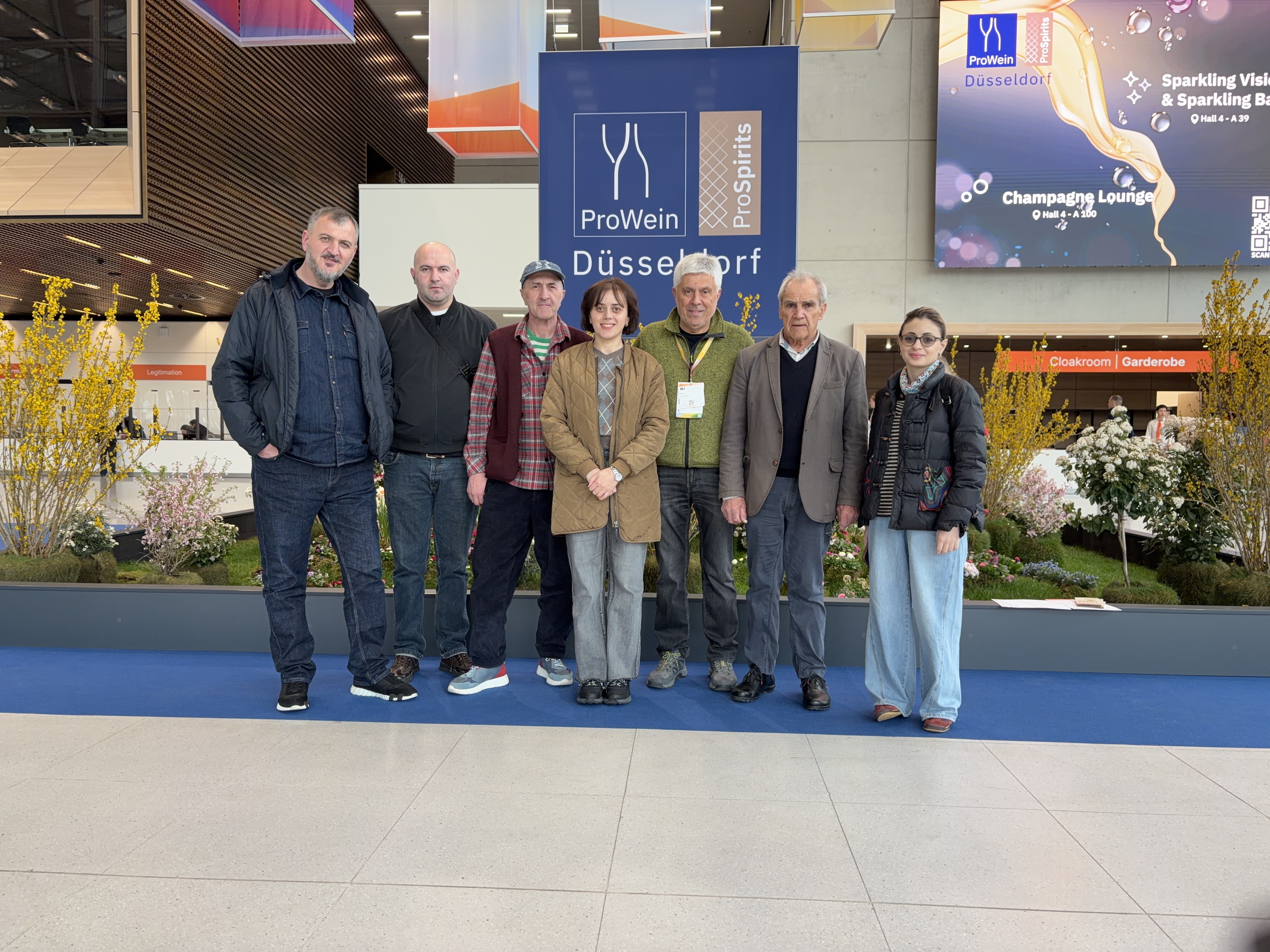
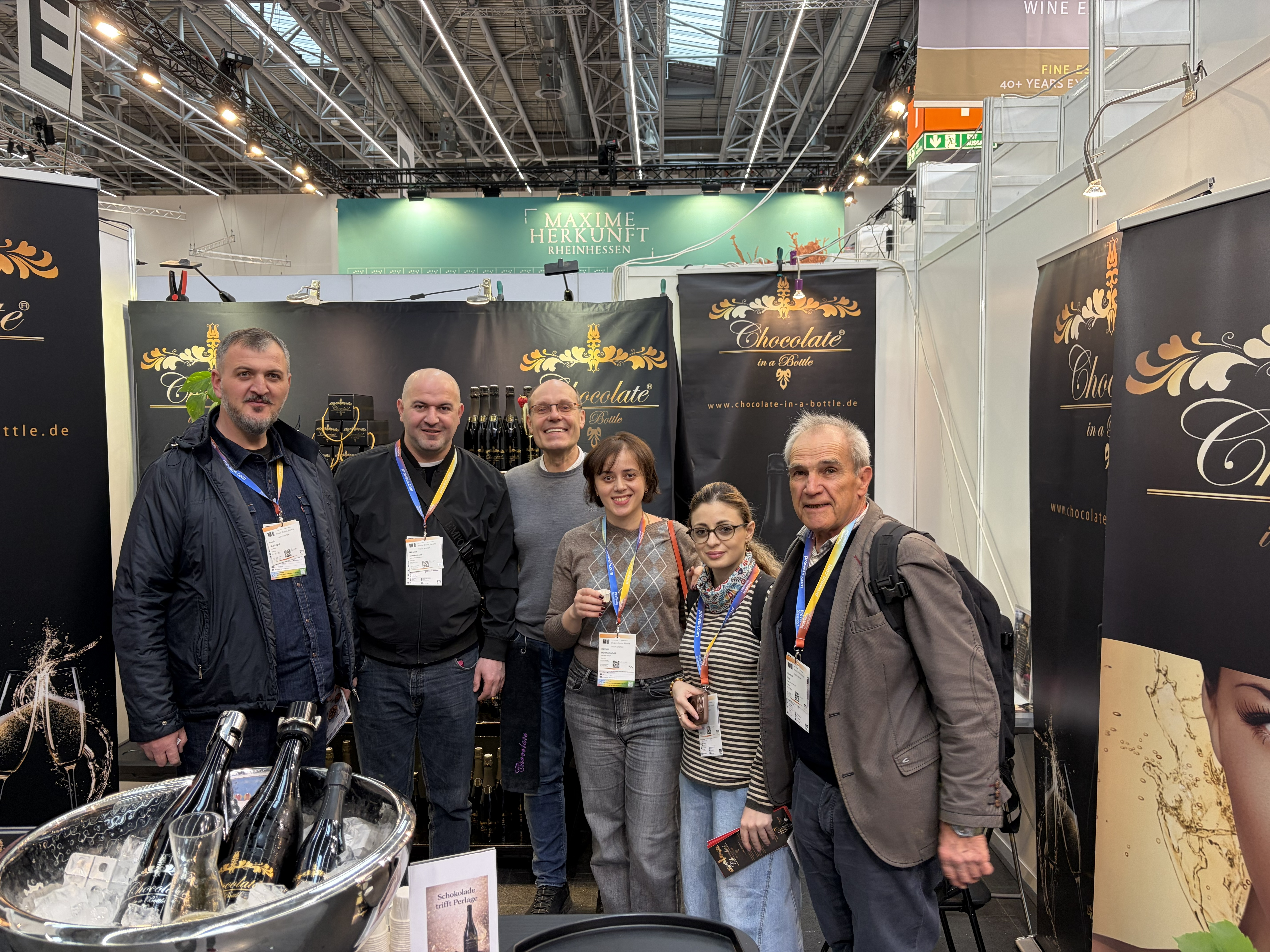
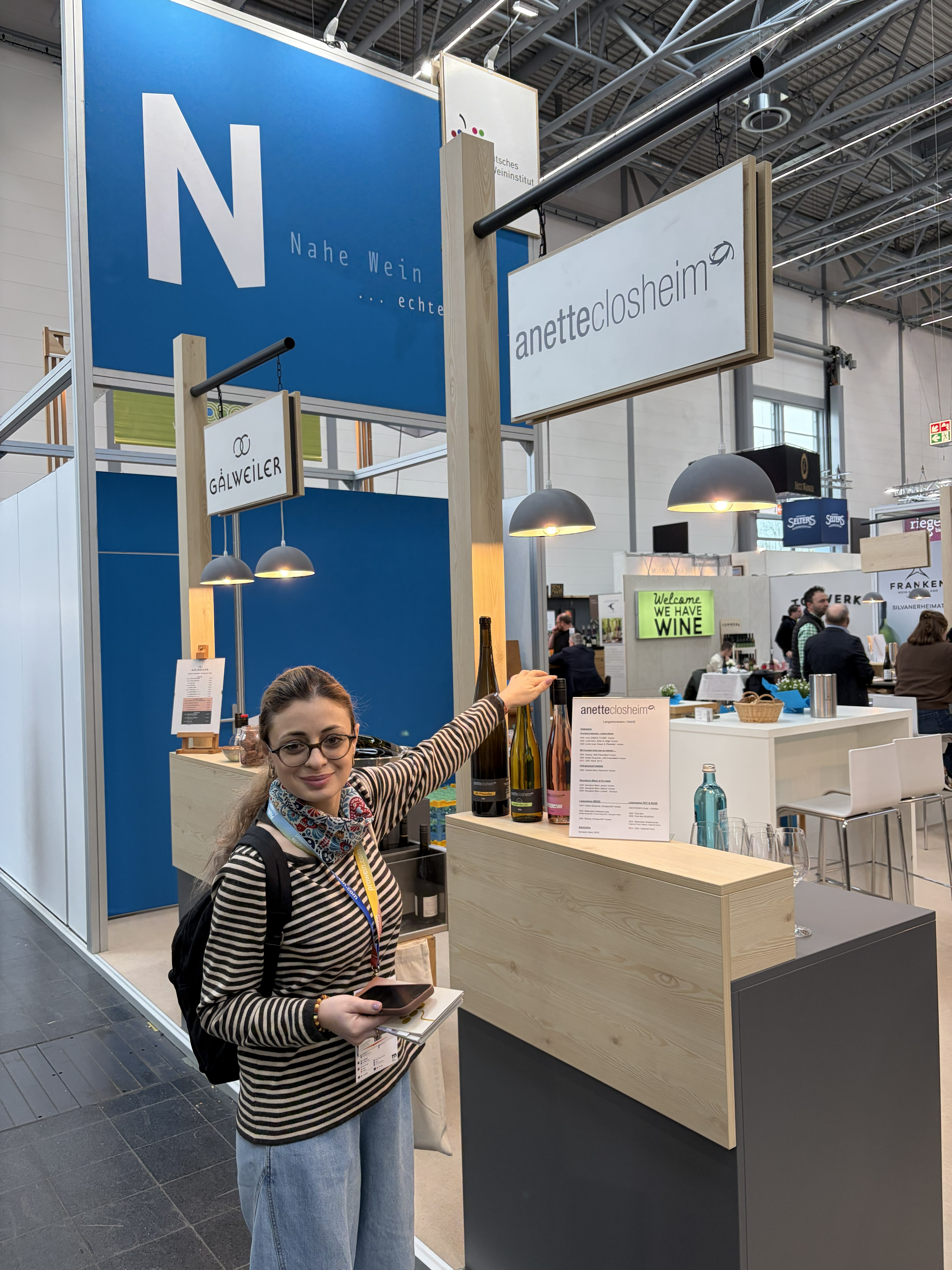
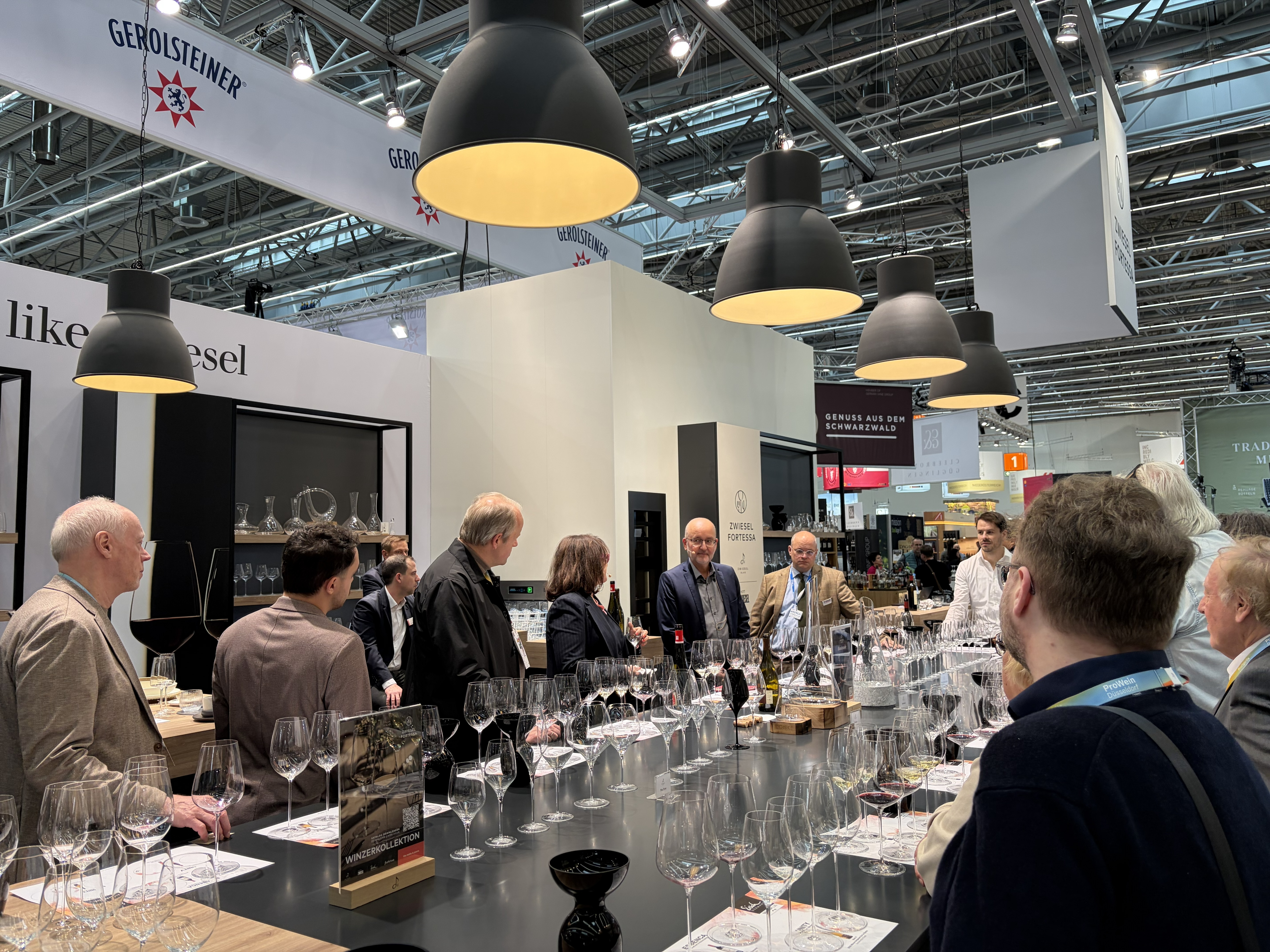
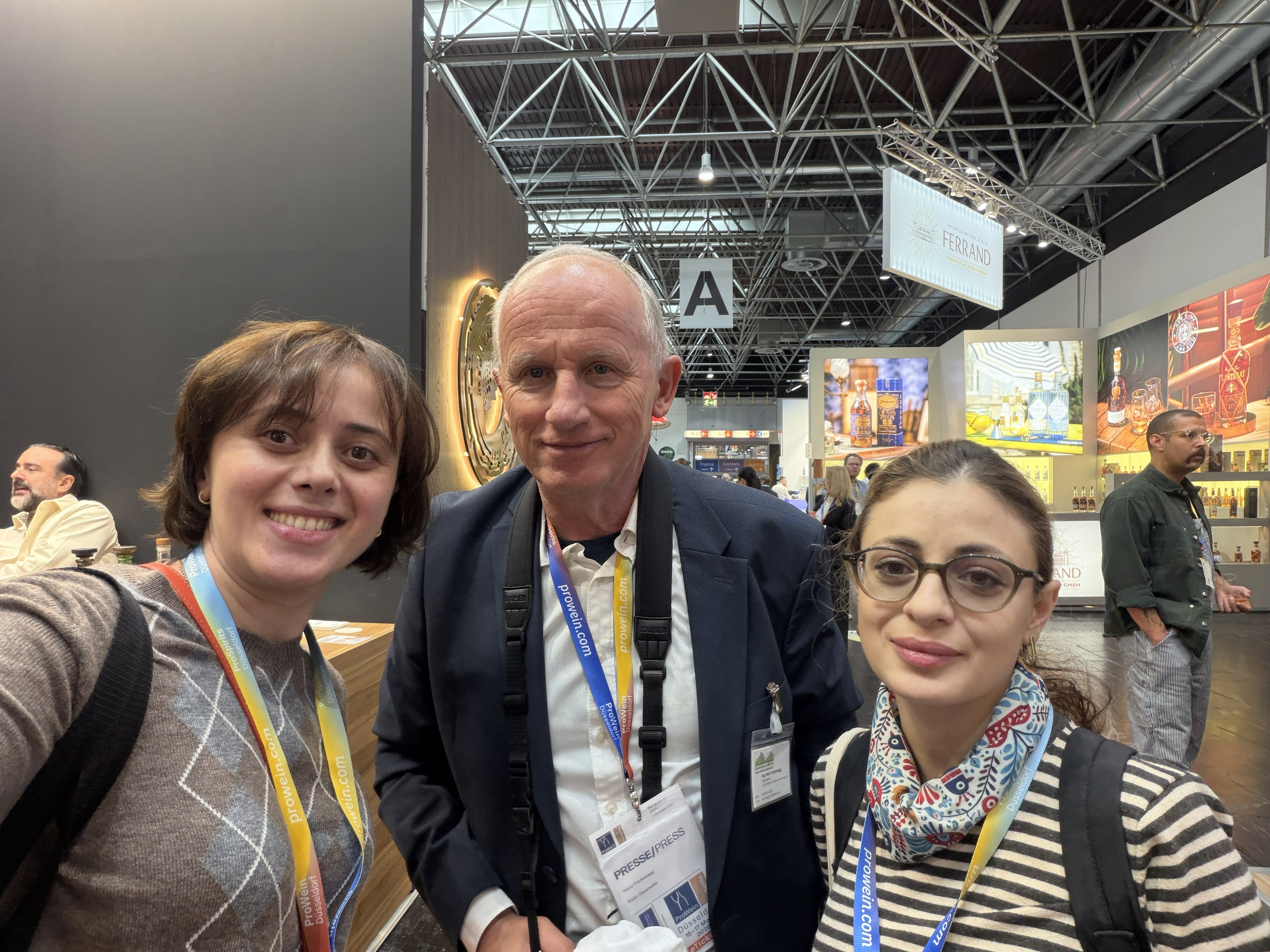
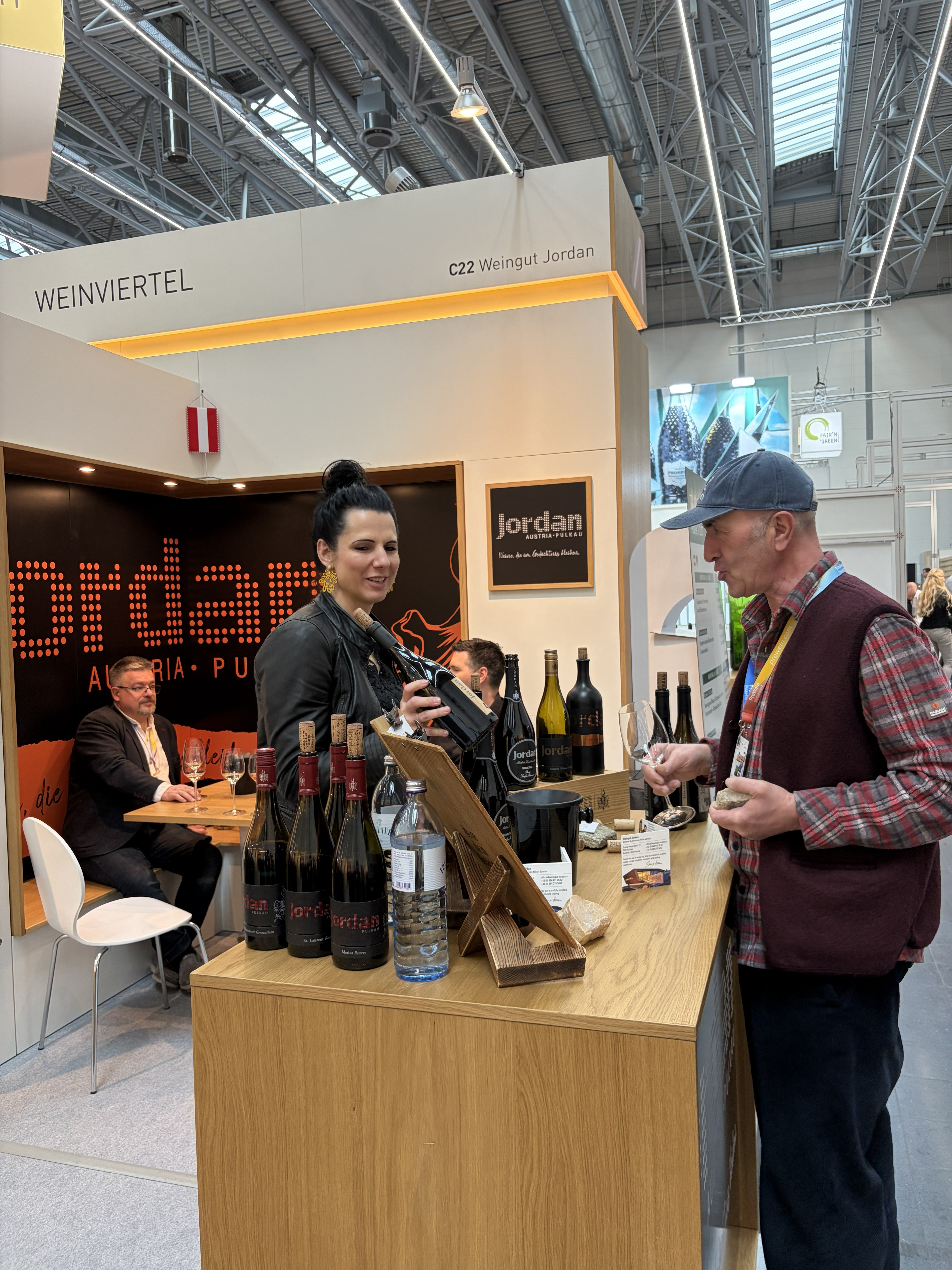
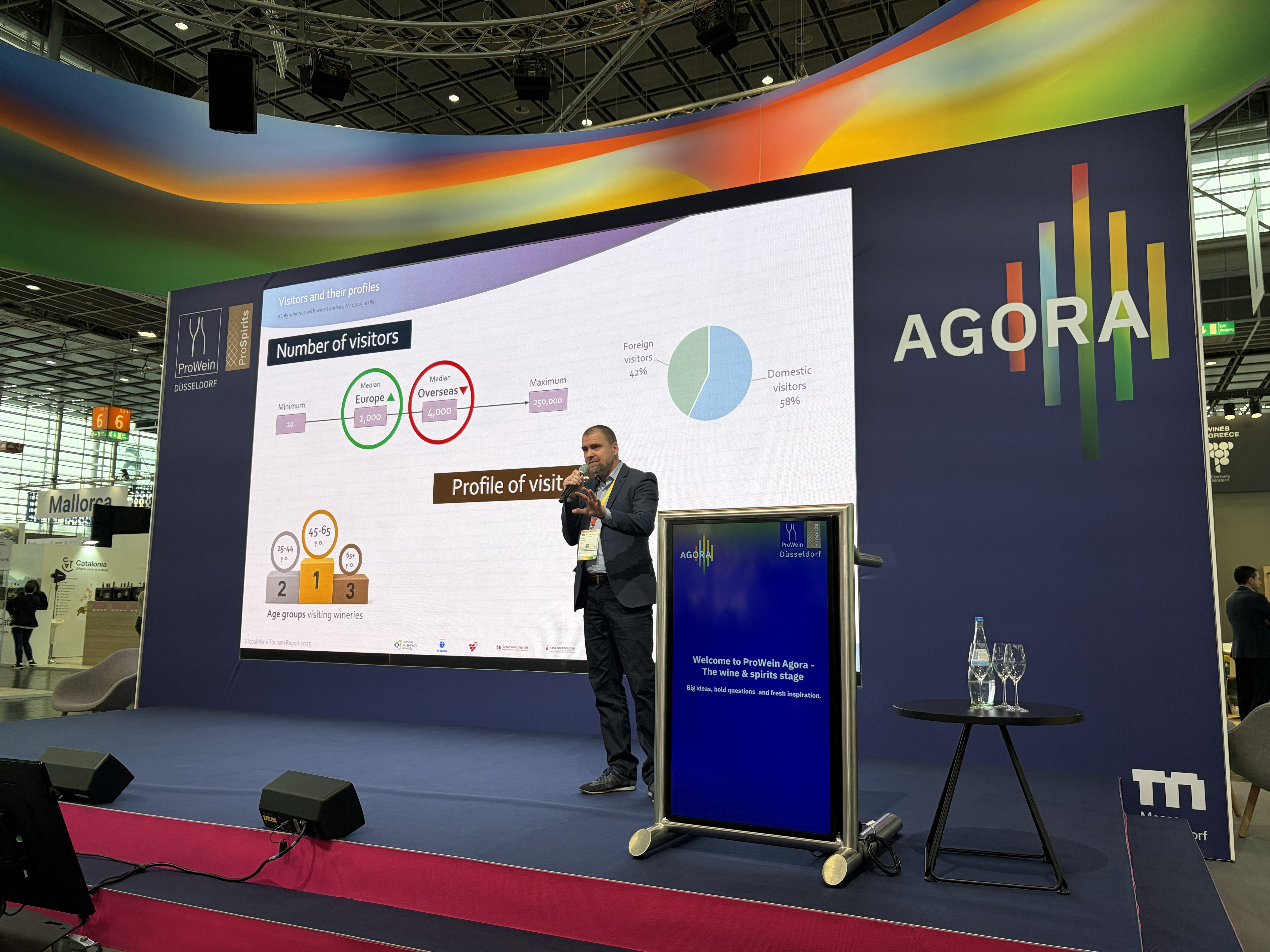
An important part of the visit was participation in an international wine exhibition Pro Wein 2026 in Düsseldorf. Participants had the opportunity to meet potential buyers, distributors, and sector representatives, gain insights into market demand, and observe how products are presented in international markets.
This experience will help position Kvemo Kartli wines more effectively on international markets and create new commercial opportunities for local producers.
“There is strong interest in wine – particularly in new regions, flavours, and technologies, but also in traditional practices like ours. Platforms like this allow us to directly observe consumer reactions, hear feedback from potential buyers, and better understand how Georgian wine is perceived,” said Guram Avkopashvili, a member of the Supervisory Board of the Kvemo Kartli Wine Union.
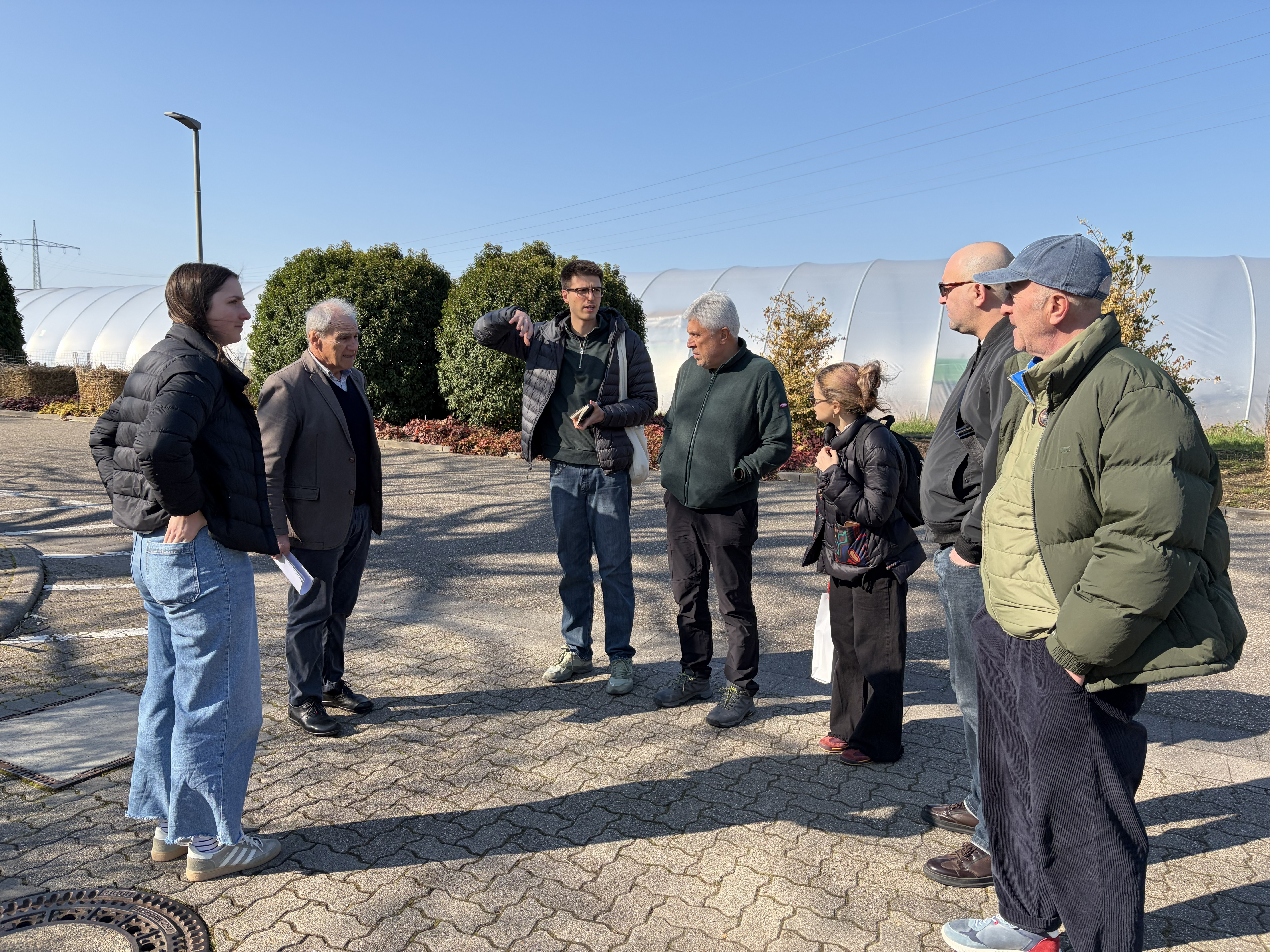
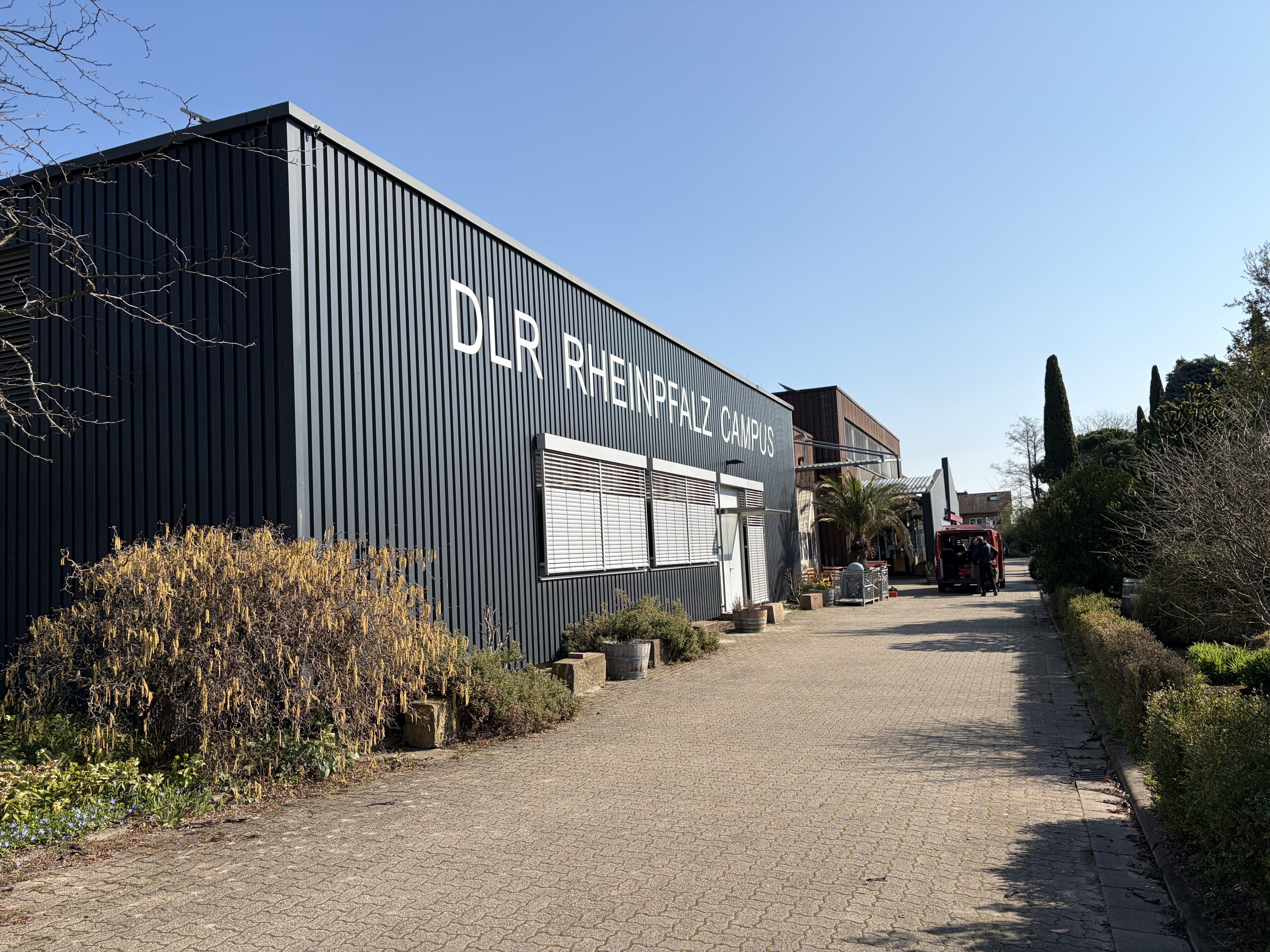
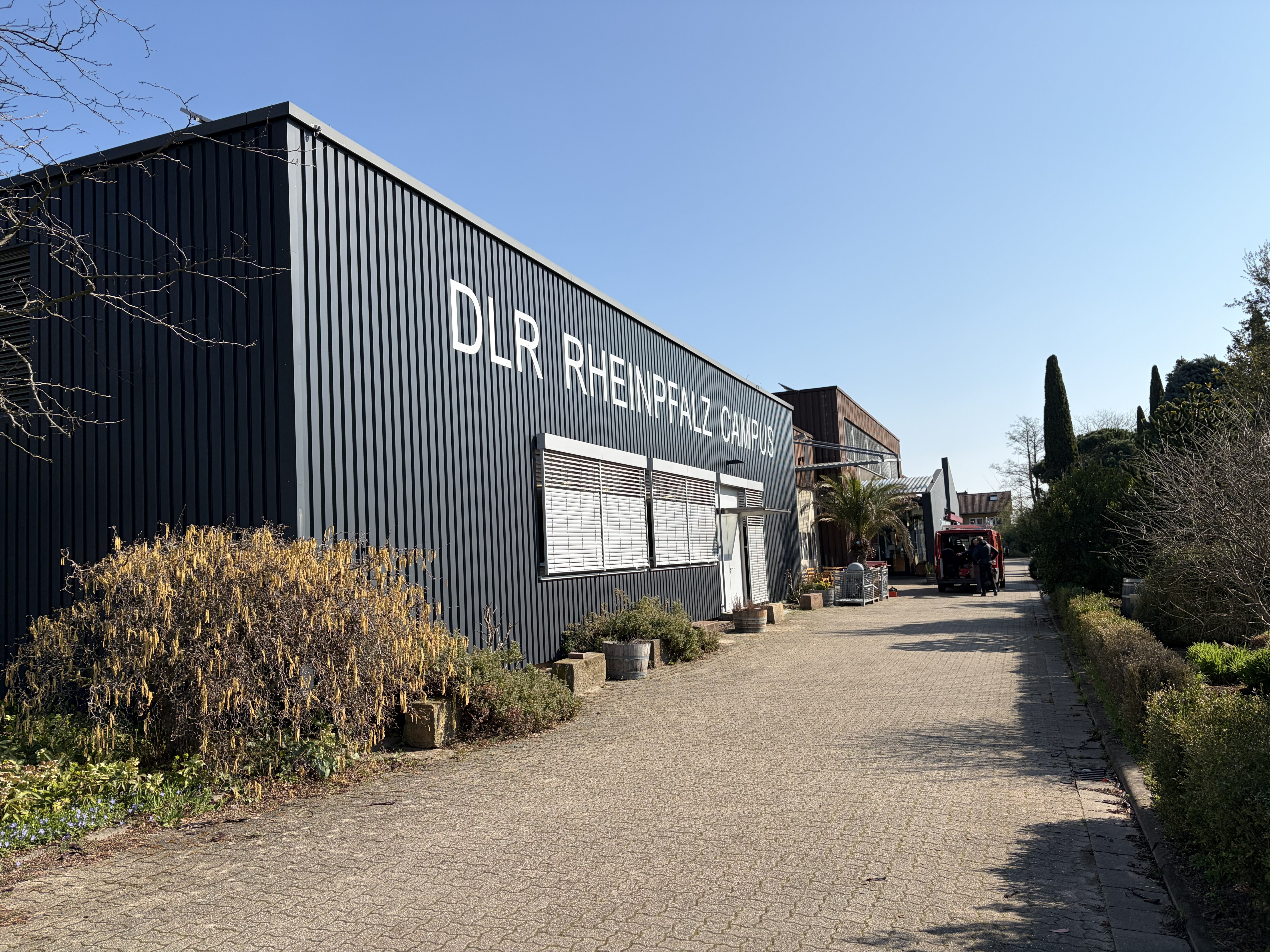
Participants also met with representatives of the Rural Development Advisory and Research Centre in Rhineland-Palatinate. They learned how such services support vine growers and winemakers in improving knowledge, adopting new technologies, and enhancing production processes. The centre is an important educational and innovation hub, with a vocational school and a training and research farm covering more than 100 hectares of experimental land. Its work focuses on applied research and close cooperation with small and medium-sized enterprises.
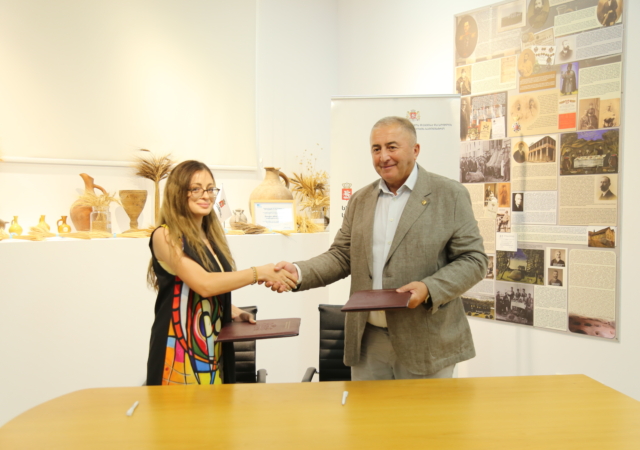
The delegation also met with descendants of historical German settlements in Bolnisi and Asureti. The meeting laid the foundation for future cooperation aimed at sharing cultural experience. These connections also have the potential to support the development of tourism and regional marketing.
Following the visit, participants plan to apply the knowledge gained to further strengthen the work of the Kvemo Kartli Wine Union and enhance coordination within the sector.
The experience will help the Union better define its role and strengthen collaboration with both producers and local service providers, ultimately contributing to the long-term competitiveness of the sector.
The study visit was supported by the Local Economic Development Project (LEDP). The LEDP is implemented by Helvetas and funded by the Swiss Agency for Development and Cooperation (SDC). The project supports municipal cooperation, the development of economic opportunities, and the enhancement of the private sector.